32 Braid Hairstyle Ideas for Texture and Style
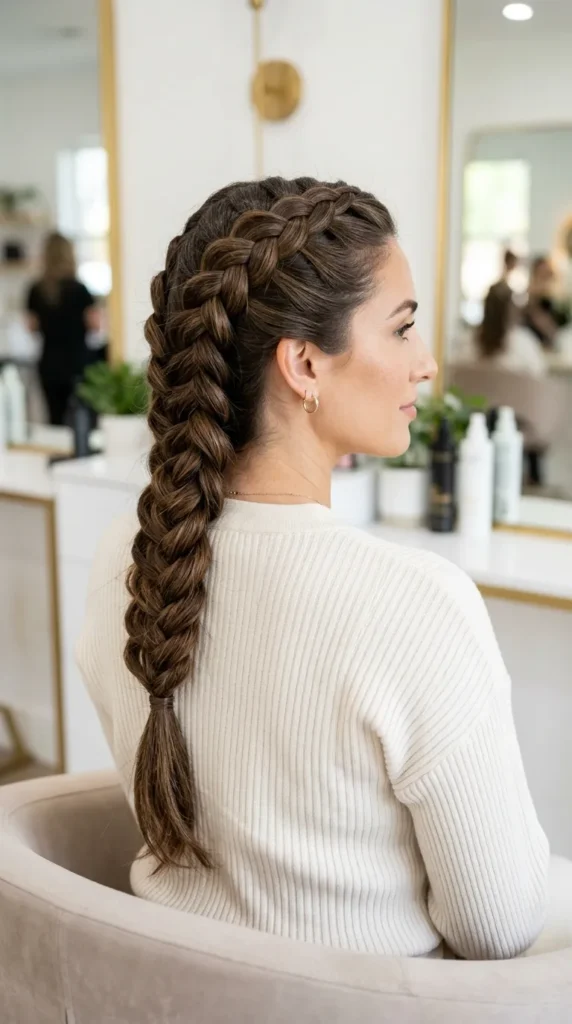
Braided hairstyles remain one of the most versatile categories in hair styling, spanning everyday practicality to elaborate, occasion ready artistry. A single technique can be adapted into dozens of looks depending on section size, placement, and finishing choices. A well executed braid looks defined and secure. A rushed version can look loose within hours.
These thirty two ideas walk through different ways to wear braids, from classic three strand styles to elaborate multi braid combinations. Whether you have fine or thick hair, whether your hair is short or long, there is a braided approach here that genuinely works for you and fits your routine.
1. The Classic Three Strand Braid
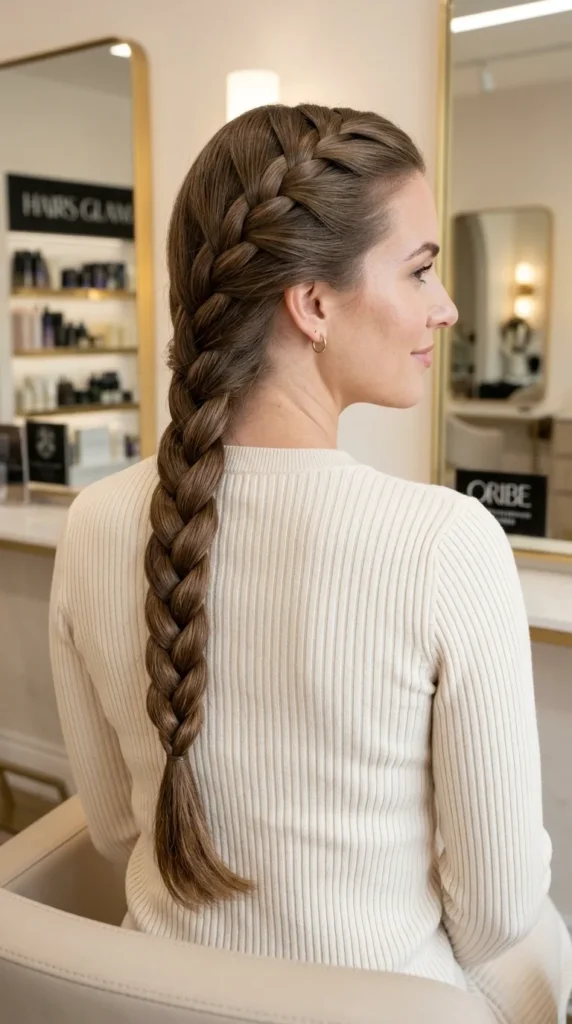
The foundational technique divides hair into three even sections and weaves them over one another in a repeating pattern from root to end. This is the braid most people learn first and remains the basis for nearly every other variation. This foundational technique suits nearly every hair type and works as a strong starting point before attempting more advanced variations later on.
Ask for consistent section sizes throughout the braid, since uneven thickness creates a visibly lopsided pattern. Keeping steady, even tension as you weave produces the cleanest, most defined finished result overall. Practicing slowly at first helps build the muscle memory needed for faster, more confident braiding over time.
2. Fishtail Braid for Intricate Texture
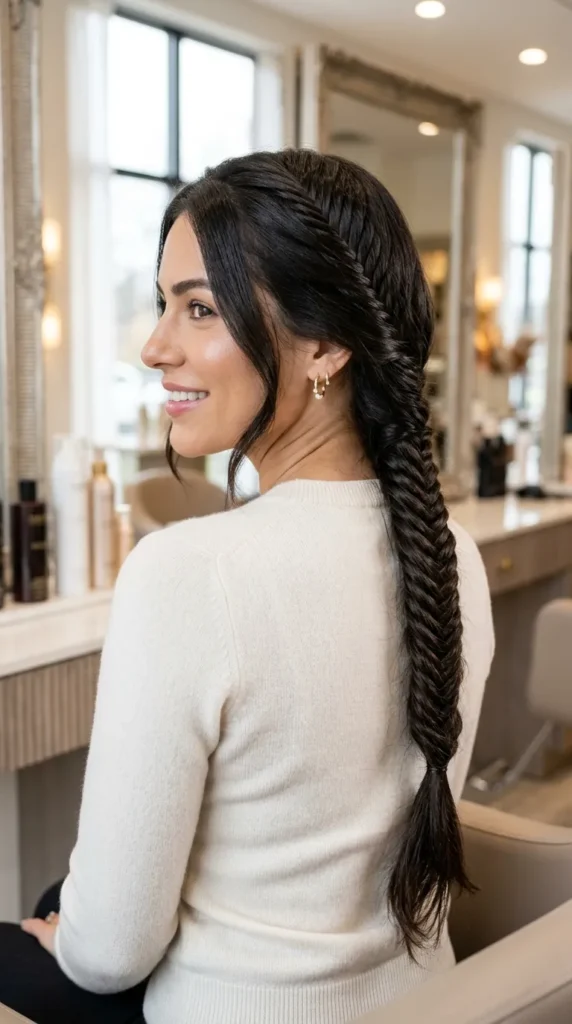
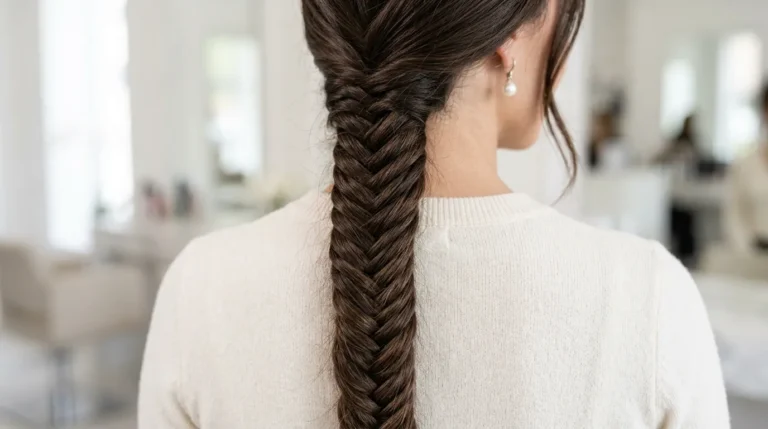
A technique dividing hair into just two sections and weaving thin pieces back and forth between them, creating a herringbone pattern that looks more elaborate than the technique actually requires. This detailed technique often appears more complex than it actually is once the basic weaving motion becomes familiar through practice.
Small, consistent sections are essential for a clean fishtail, since inconsistent thickness disrupts the woven pattern. This braid works especially well loosened slightly afterward for a fuller, more textured finish. Taking your time with each small section noticeably improves the clarity of the final woven pattern.
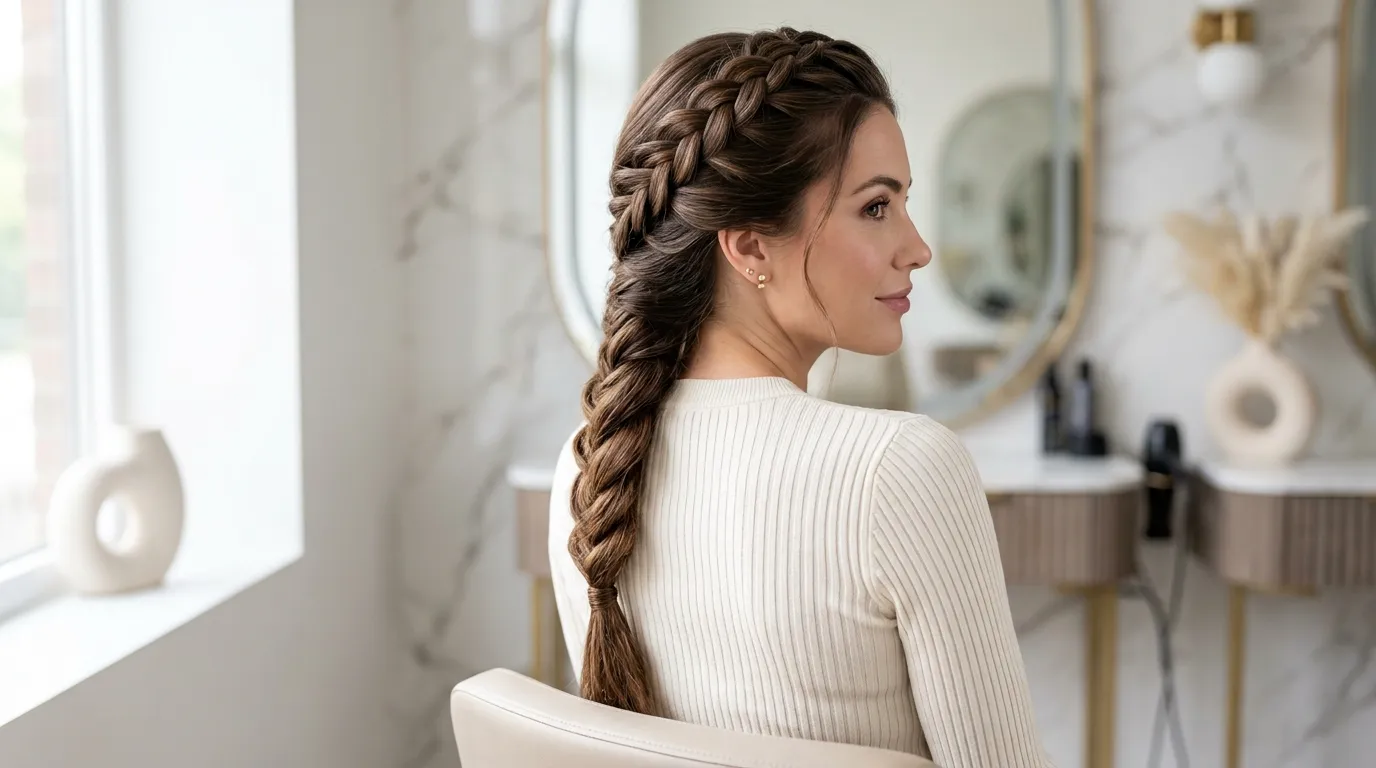
3. Dutch Braid for Raised Definition
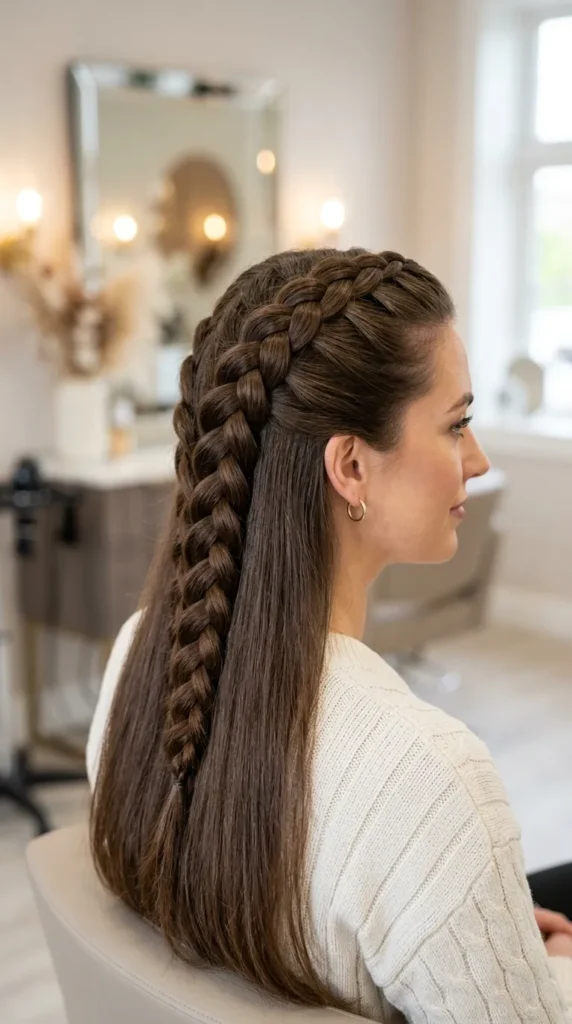
A technique where sections are woven underneath rather than over one another, creating a raised, dimensional braid that sits prominently on top of the hair rather than flat against it. This raised technique suits people wanting a bolder, more dimensional braided look than a flat traditional braid provides.
Dutch braids require slightly firmer tension than a classic braid to achieve the raised effect properly. This technique works especially well for patterns running along the crown of the head. The raised texture also tends to hold its shape longer than a flatter braided alternative overall.
4. French Braid for Classic Elegance
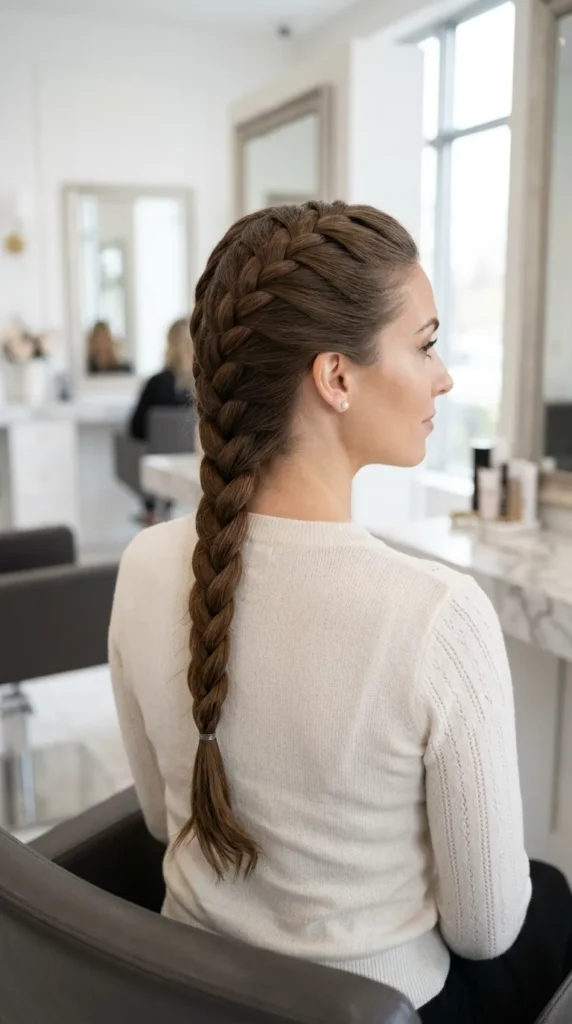
A technique incorporating new sections of hair gradually as the braid progresses down the head, creating a braid that appears to grow directly out of the scalp. This timeless technique remains one of the most requested braided styles across nearly every generation and hair type.
French braids require practice to master the gradual incorporation of new hair, since timing and section size both affect the final pattern. This classic technique suits nearly every hair length beautifully. This classic technique remains one of the most universally flattering braided options available to nearly everyone.
5. Waterfall Braid for Cascading Movement
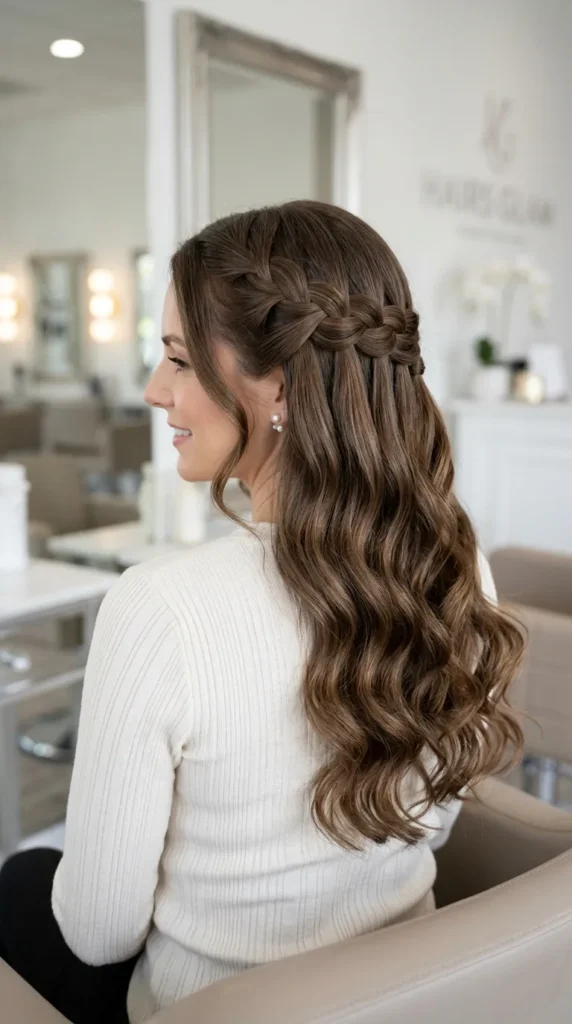
A technique combining braiding with strategic hair release, allowing sections to cascade down while the braid itself continues along the head in a horizontal line. This elegant technique suits weddings, formal events, and other occasions calling for a romantic, cascading finish overall.
Waterfall braids require practicing the release technique separately before attempting the full style, since dropped sections must stay consistent. This romantic style suits half up looks particularly well. This romantic style suits half up looks particularly well without requiring a fully committed updo.
6. Rope Braid for a Twisted Effect
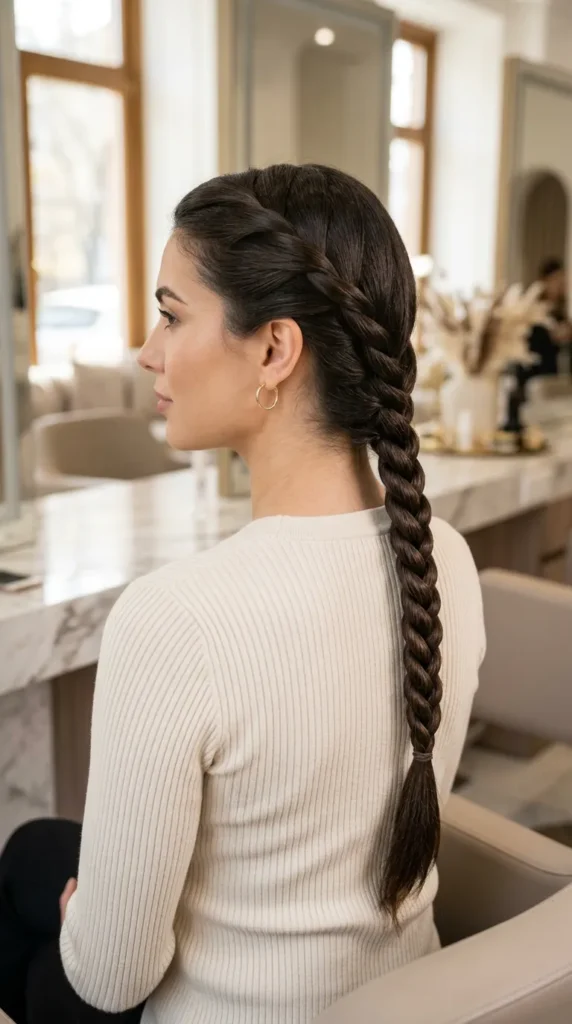
A technique using just two sections twisted around each other repeatedly rather than a traditional over under weave, creating a rope like, twisted visual effect throughout. This straightforward technique also works especially well combined into pigtails or double braided styles for variety.
Rope braids are notably easier to learn than a traditional three strand braid, making them a good starting point for beginners wanting a polished, finished look. This simple twisting technique still produces a genuinely polished, finished look despite being easier to learn.
7. Milkmaid Braids for a Romantic Crown
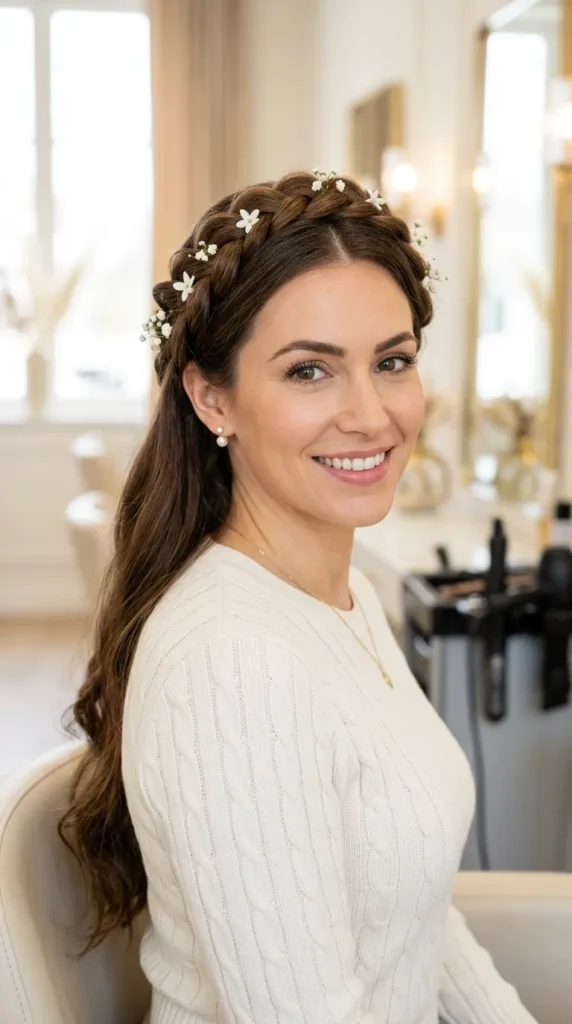
Two braids created on either side of the head and then crossed and pinned across the crown, creating a romantic, crown like silhouette around the entire head. This charming style suits garden parties, festivals, and other outdoor celebrations particularly well throughout the warmer months.
Milkmaid braids work best when both braids are created with matching tension and thickness, ensuring the crossed crown reads as balanced and pairs beautifully with floral accents. The crossed crown reads as balanced and pairs beautifully with floral accents woven directly into the braid.
8. Braided Ponytail for Everyday Practicality
A braid created from a secured ponytail rather than directly from loose hair, combining the practicality of a gathered style with the texture of a braid. This practical combination suits busy mornings when a full head braid feels like too much effort.
Starting from a smooth, secure ponytail base makes the resulting braid easier to control and produces a noticeably more polished overall finish for daily wear. This foundation also helps the braid last longer throughout an active day of movement and activity.
9. Braided Crown for a Halo Effect
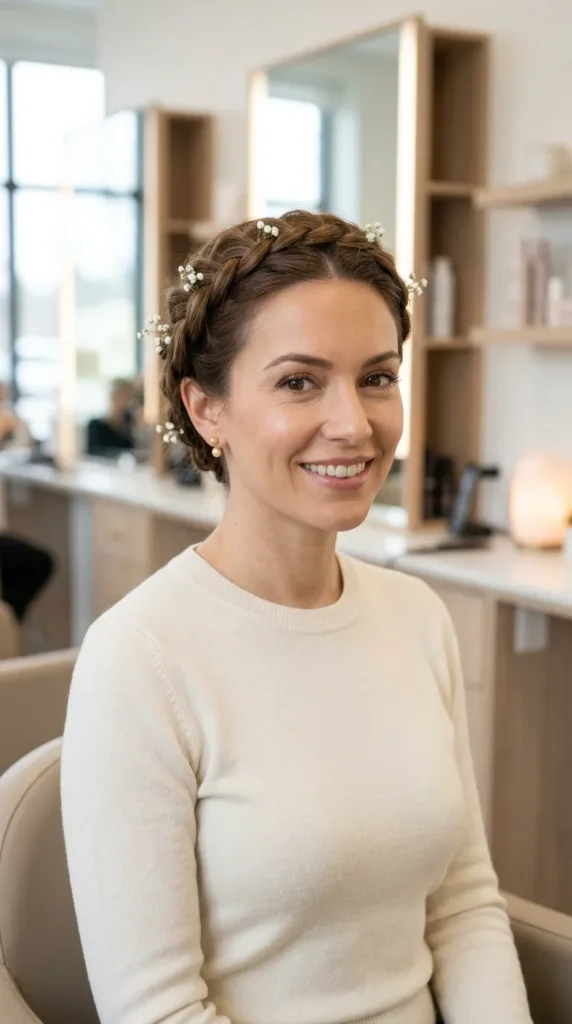
A braid wrapped fully around the crown of the head like a natural halo, often incorporating the remaining hair either left loose or pinned separately underneath. This versatile style suits both casual daily wear and more elevated special occasions equally well throughout the year.
A braided crown keeps hair secure and off the face throughout the day, making it especially practical for warmer weather or active schedules and events. This style photographs beautifully from every angle, making it a popular choice for many different settings.
10. Half Up Braided Style
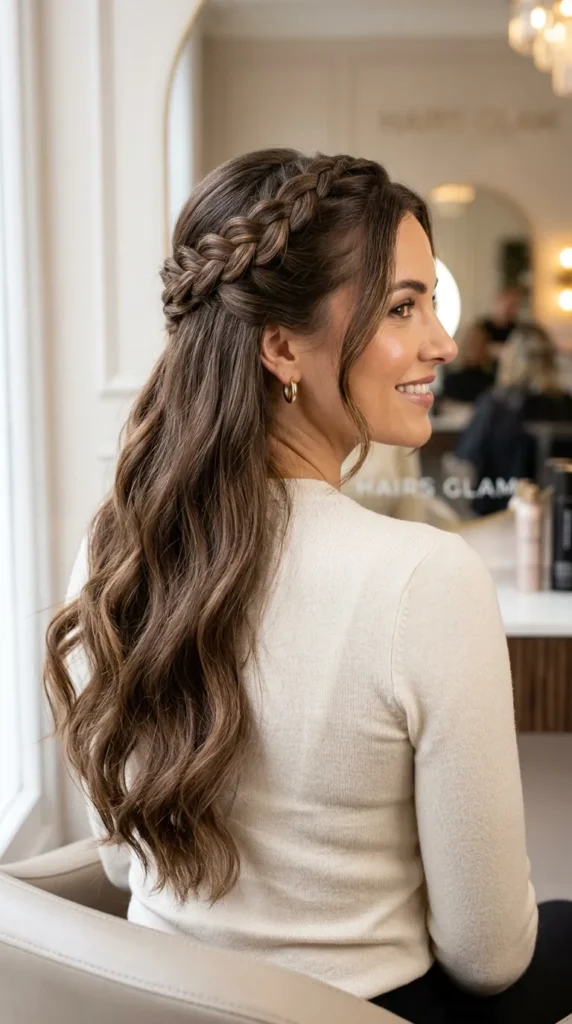
The top section of hair gathered and braided while the remaining length falls loose, blending structure with natural movement in a single cohesive style. This adaptable style suits people who love wearing their hair down but want it controlled near the face.
This half up variation offers a practical middle ground between a full braid and completely loose hair, keeping strands away from the face throughout the day. It transitions easily from daytime into a slightly more polished evening look with minor adjustments.
11. Braid into a Bun
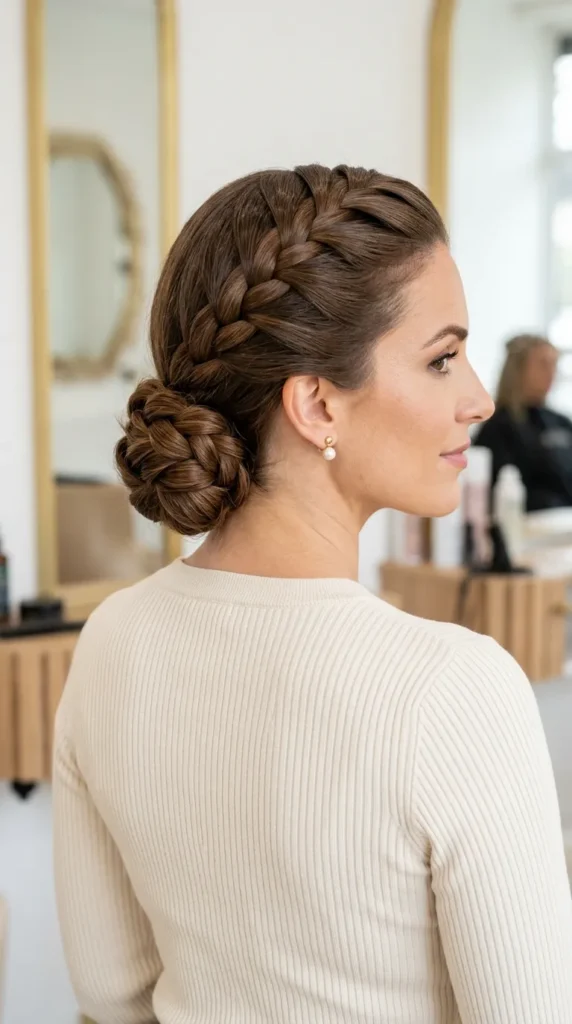
A braid that transitions directly into a coiled bun at the base of the head, combining textured braiding with a contained, polished finishing touch overall. This elegant combination often produces one of the most photogenic finishes across the entire braided category overall.
Braiding first and coiling into a bun afterward creates noticeably more visual interest than a plain, unbraided bun alone, suiting formal occasions especially well. This combination suits formal occasions especially well, offering texture and structure in a single style.
12. Double Braided Pigtails
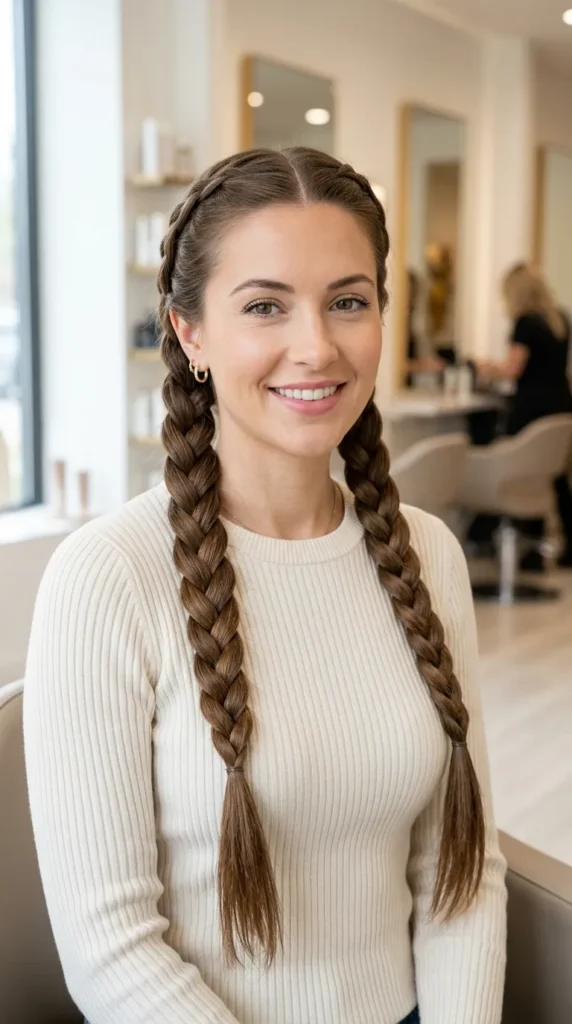
Two separate braids created as pigtails rather than one central style, offering a playful, slightly nostalgic variation suited to casual and active days alike. This nostalgic style suits both children and adults wanting a playful, low effort everyday look overall.
Pigtail braids should be sectioned evenly before braiding begins, ensuring both sides remain visually balanced. This style works well with any braiding technique, from classic to fishtail. This style works well with any braiding technique, from classic to fishtail, depending on your preference.
13. Braided Pigtails with Wraps
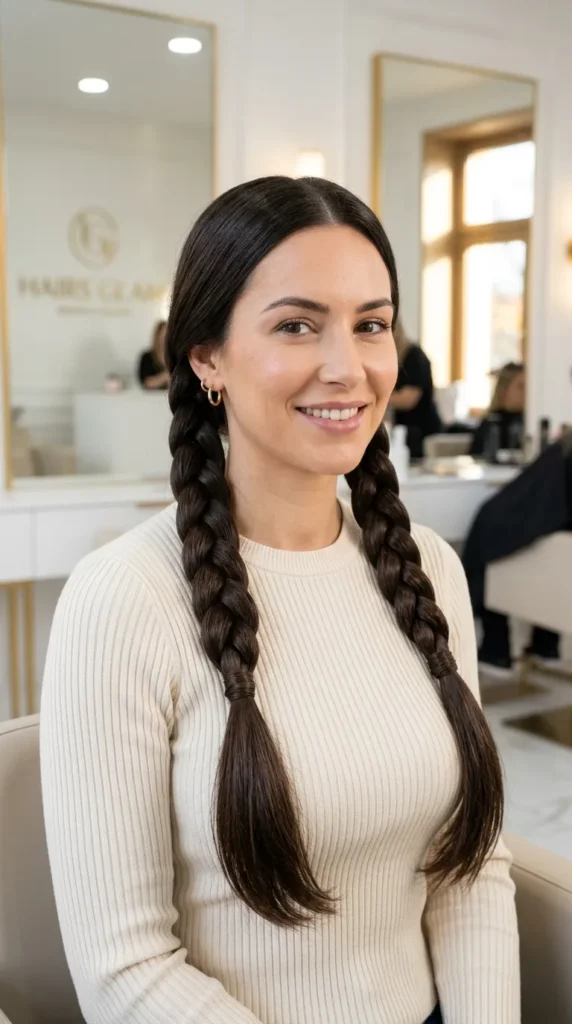
Pigtail braids finished with a small section of hair wrapped around the base of each braid, concealing the elastic and adding a polished, finished detail. This refined touch suits people wanting a slightly more elevated version of a casual everyday style overall.
Wrapping a thin section around the base takes only a few extra seconds but noticeably elevates the finished appearance of the style for any occasion. This small detail works particularly well for special occasions, transforming a simple braid into something polished.
14. Boxer Braids for a Sporty Edge
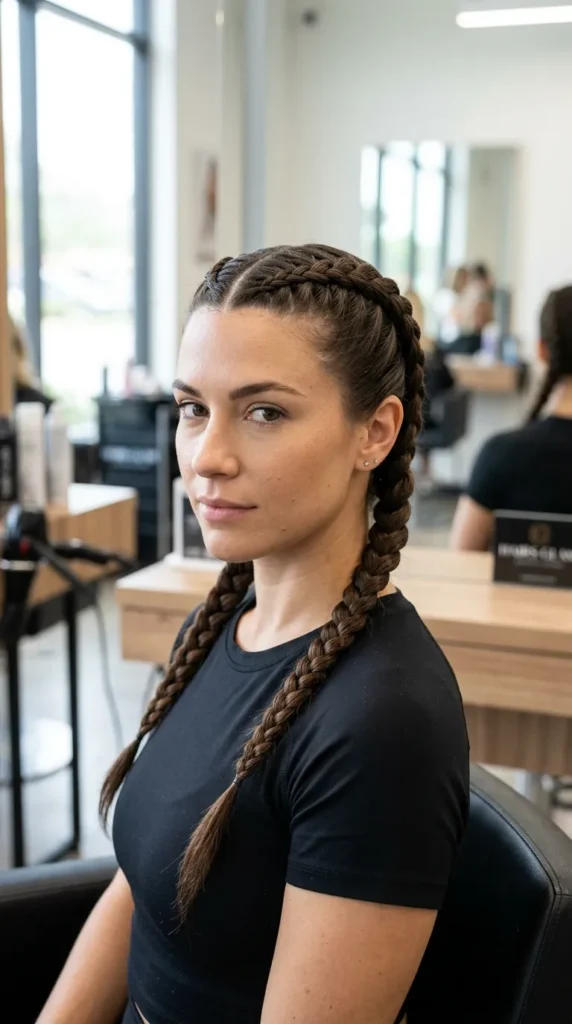
Two Dutch braids created close to the scalp running from the front hairline to the nape, offering a secure, sporty style popular for workouts and activities. This practical style has become popular well beyond athletic settings for its secure, low maintenance appeal.
Boxer braids require firm, consistent tension close to the scalp to remain secure through vigorous movement throughout an entire workout or active day. This practical style keeps hair fully controlled and away from the face during vigorous movement.
15. Braided Bangs for Face Framing Detail
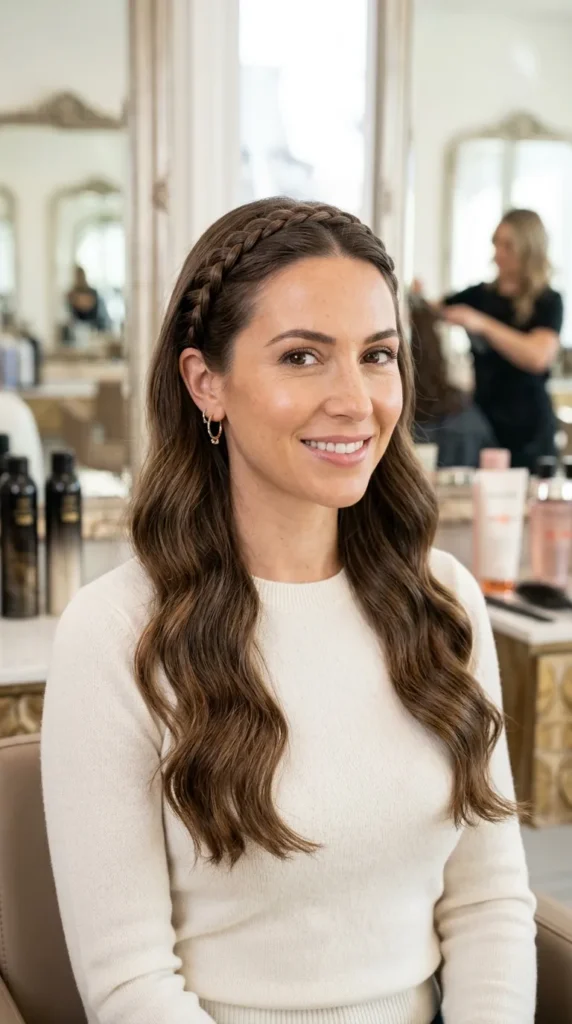
A small braid incorporated specifically into the front section or bangs, adding detail and keeping hair away from the face without a full head braid. This small detail can transform an otherwise plain hairstyle into something noticeably more considered and intentional.
Braided bangs work especially well pinned securely back, offering a practical solution for managing growing out bangs while still looking genuinely intentional and styled. This detail pairs nicely with any other hairstyle worn underneath, adding a small touch of personality.
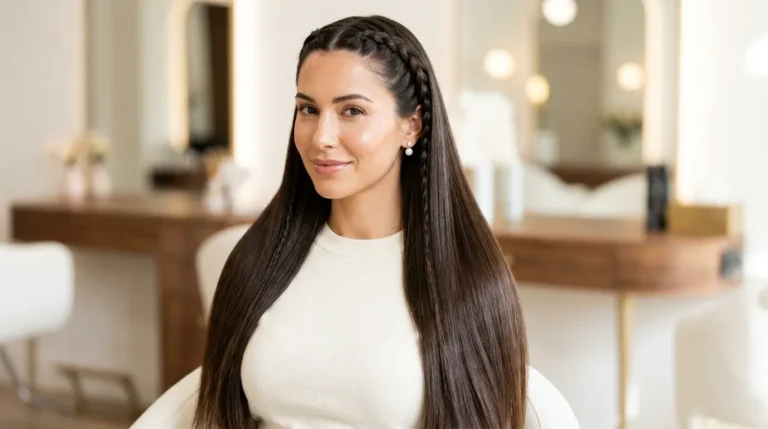
16. Braided Headband Style
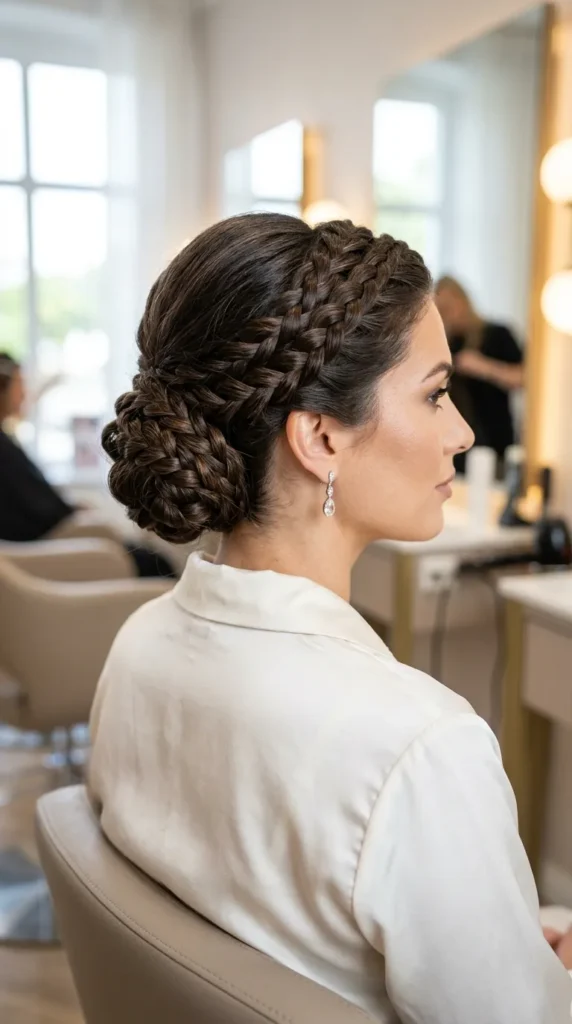
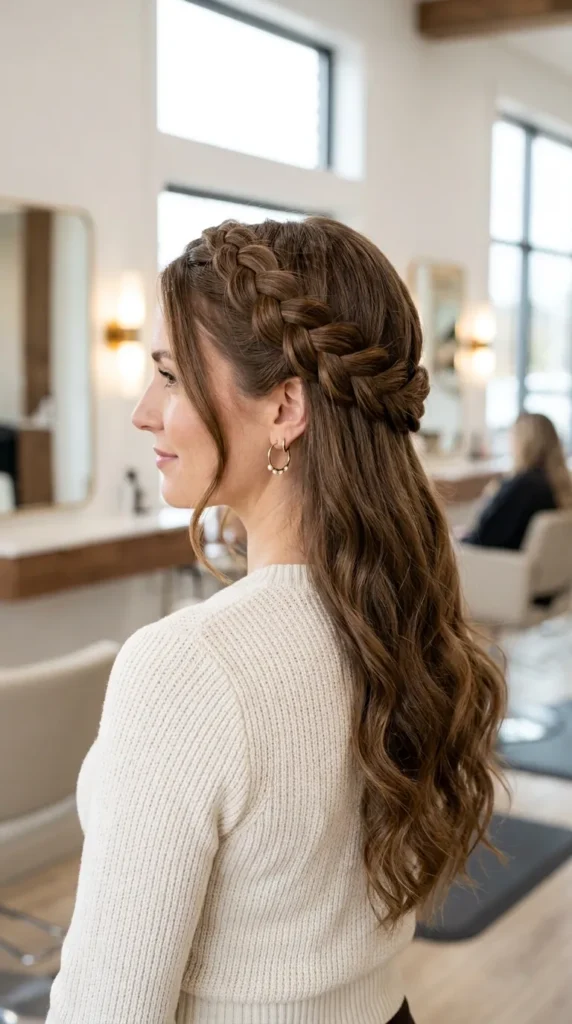
A single braid created along the hairline and pinned across the head like a headband, keeping hair away from the face while the rest falls loose. This understated detail offers a gentle introduction to braiding for people newer to the technique overall.
A braided headband works especially well for people wanting a subtle braided detail without committing to a fully braided style, suiting both casual and dressy days. This look suits both casual days and slightly dressed up occasions depending on how it is styled.
17. Braid with Ribbon Detail
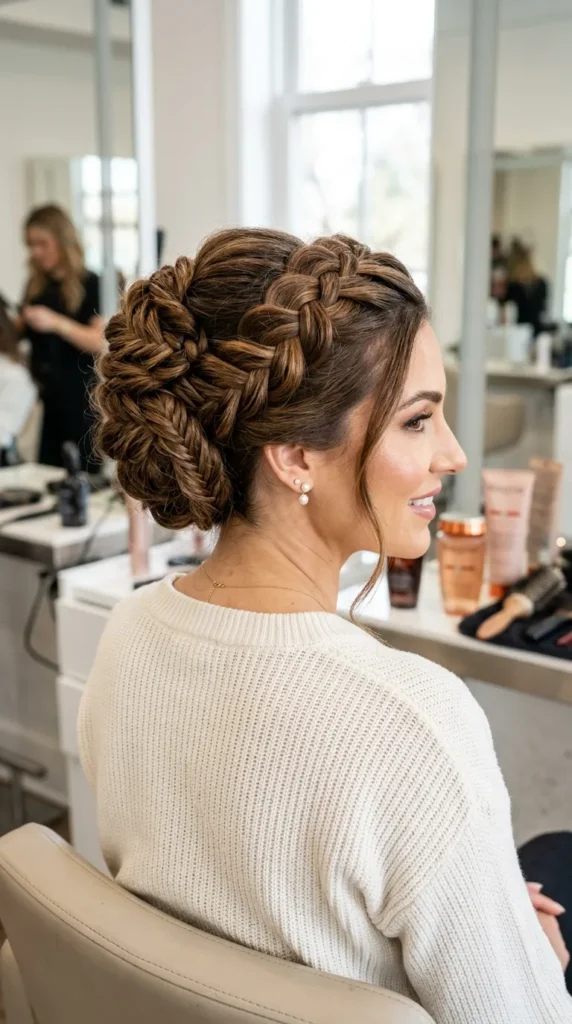
A braid incorporating a thin ribbon woven directly alongside the hair sections, adding a decorative pop of color and a distinctly personalized touch overall. This customizable detail allows for endless color combinations depending on the occasion or outfit chosen.
The ribbon should match the thickness of your hair sections closely, ensuring it blends into the weave rather than looking bulky, especially for festivals and events. This detail suits festivals and celebratory occasions particularly well, adding a playful pop of color throughout.
18. Braid with Floral Accents
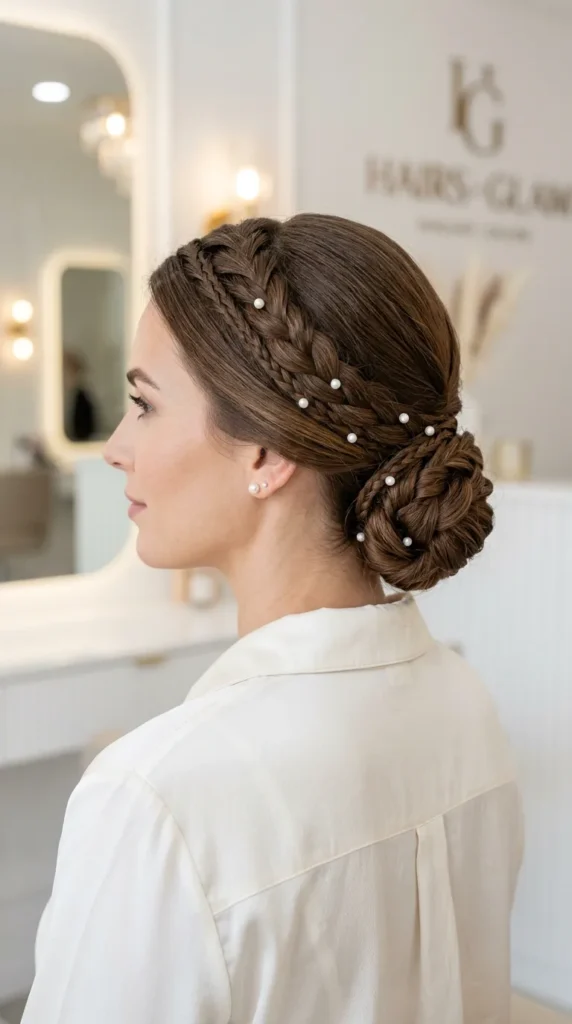
A braid incorporating small flowers or greenery tucked directly into the woven sections, creating a romantic, garden inspired finish suited to outdoor events and weddings. This romantic detail pairs beautifully with both fresh and artificial flowers depending on your personal preference.
Fresh flowers should be added carefully after the braid is complete, tucking stems securely into the weave without disturbing the overall pattern created. This style suits weddings and garden parties especially well, echoing the natural setting of the event.
19. Braided Style for Curly Hair
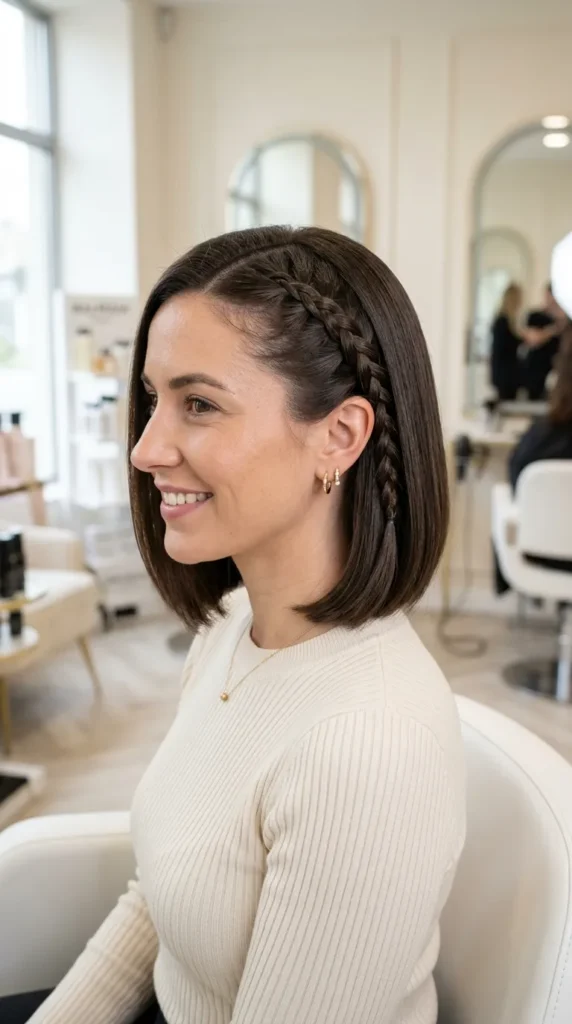
Braids created specifically to work with naturally curly or textured hair, where the curl pattern adds extra volume and dimension to the finished braided shape. This natural pairing often requires less product overall, since curly texture already provides plenty of grip.
Braiding curly hair while slightly damp helps control frizz and produces a more defined, controlled pattern throughout the entire style for a cleaner finish. This combination often creates some of the most dimensional braided looks across the entire category.
20. Braided Style for Straight Hair
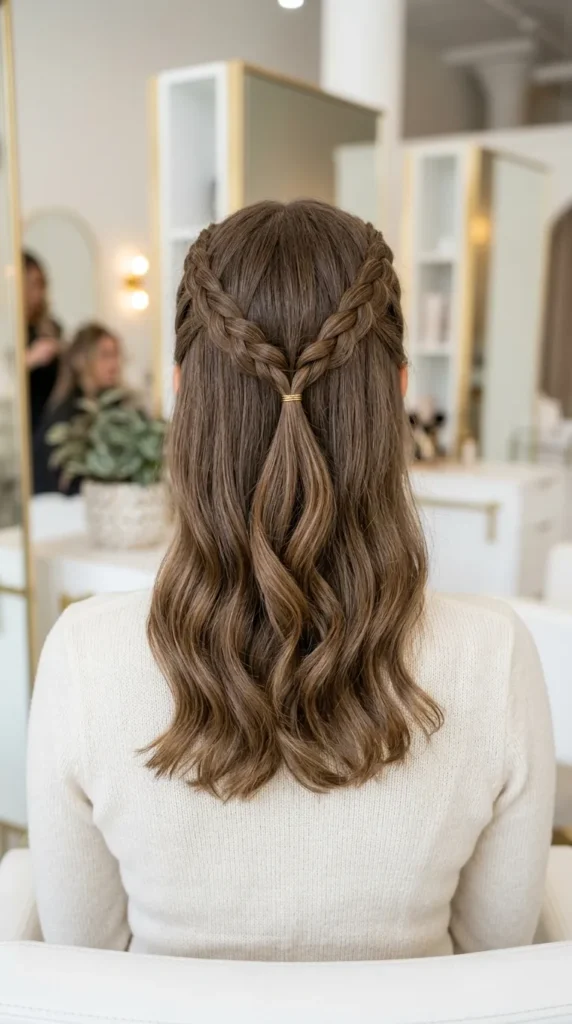
Braids created on sleek, straight hair, where the woven pattern reads with maximum clarity against the smooth, reflective surface of the strands themselves. Precision matters more here, since there is no natural texture to disguise any unevenness in the weave.
A texturizing spray applied before braiding gives naturally slippery straight hair extra grip, helping the finished braid hold its shape more securely throughout the day. Without this extra grip, straight strands can slip loose from the weave fairly quickly throughout the day.
21. Braided Style for Fine Hair
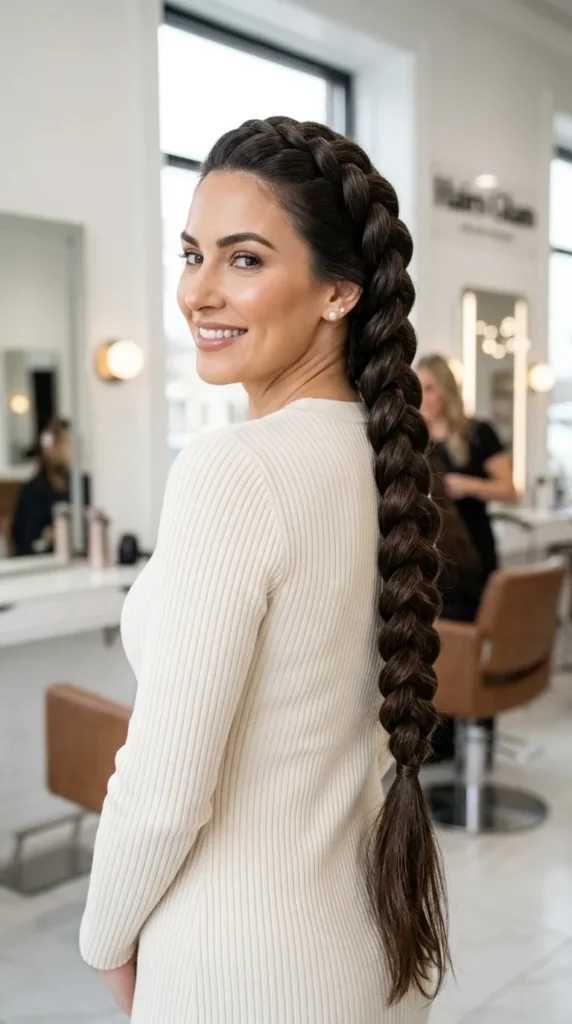
Braids adapted specifically for fine hair, using smaller, tighter sections to help the woven pattern read clearly despite naturally limited hair volume and density. A skilled stylist will keep sections especially thin to maximize the visible texture of the finished braid.
Fine hair braids benefit significantly from a texturizing spray applied beforehand, giving delicate strands enough grip to hold the pattern securely throughout an entire day. This small preparation step makes a noticeable difference in how long the finished braid actually lasts.
22. Braided Style for Thick Hair
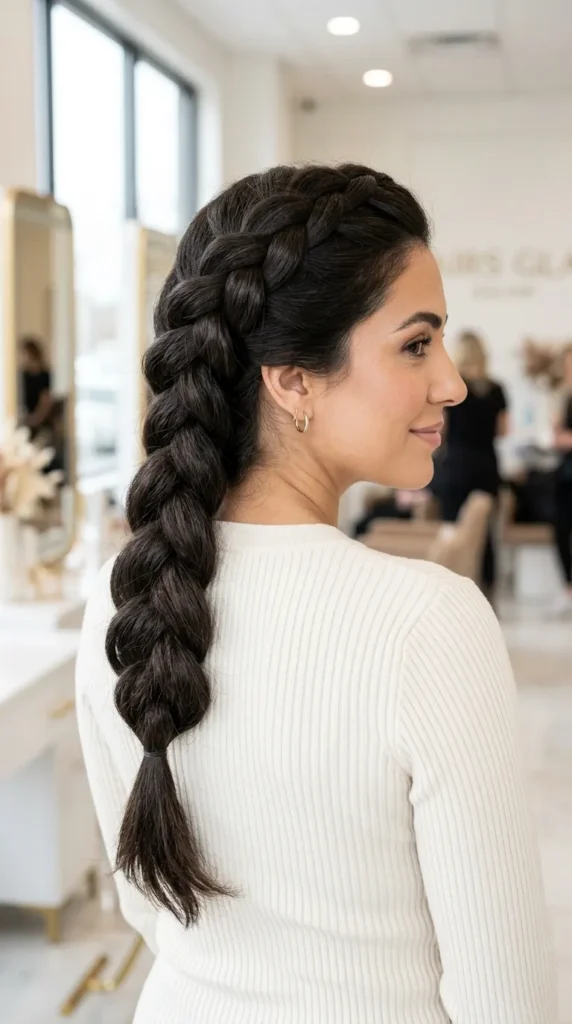
Braids adapted for thick, dense hair, where the natural volume already creates a full, dimensional braided shape without requiring much additional styling effort overall. Regular trims also help keep the ends of any braided style looking neat and well defined overall.
Thick hair braids may benefit from slightly larger sections for easier management, since very fine sectioning becomes noticeably time consuming with especially dense hair. This adjustment still preserves the visible texture of the finished braid despite the larger sections used.
23. Braided Style for Short Hair
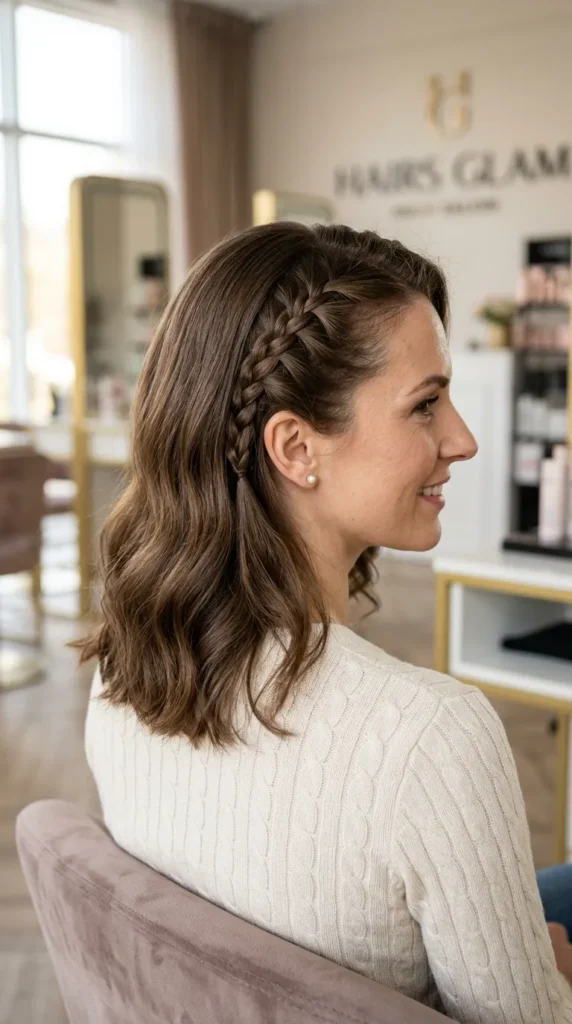
Braids adapted specifically for shorter hair, often incorporating small clip in extensions or starting the braid as low as possible to maximize available length. This adapted approach proves braiding remains accessible even without significant length to work with overall.
Short hair braids work best when kept compact and close to the head, maximizing visible texture despite the more limited overall length available to work with. This approach helps the braided pattern read clearly even with a more limited amount of length.
24. Braided Style for Long Hair
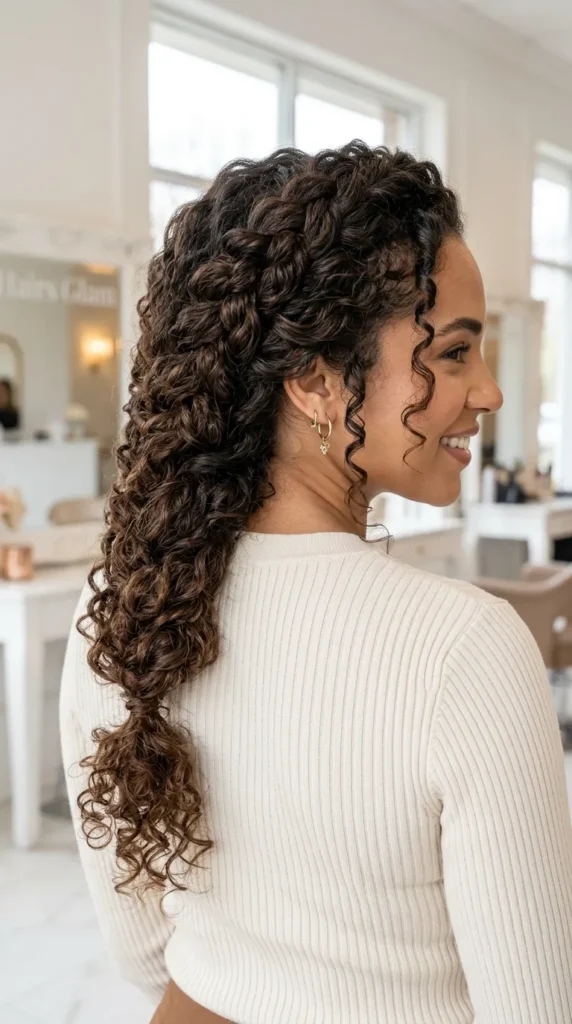
Braids applied through significantly longer length, allowing the woven pattern plenty of room to develop and travel throughout the entire length of the hair. The additional length also allows for more dramatic, elaborate braided combinations throughout the entire head.
Long hair braids benefit from periodic small elastics secured along the length, helping prevent the pattern from loosening prematurely throughout a long, active day. This extra step significantly extends how long the finished style holds throughout a long, busy day.
25. Messy Braided Style for Undone Texture
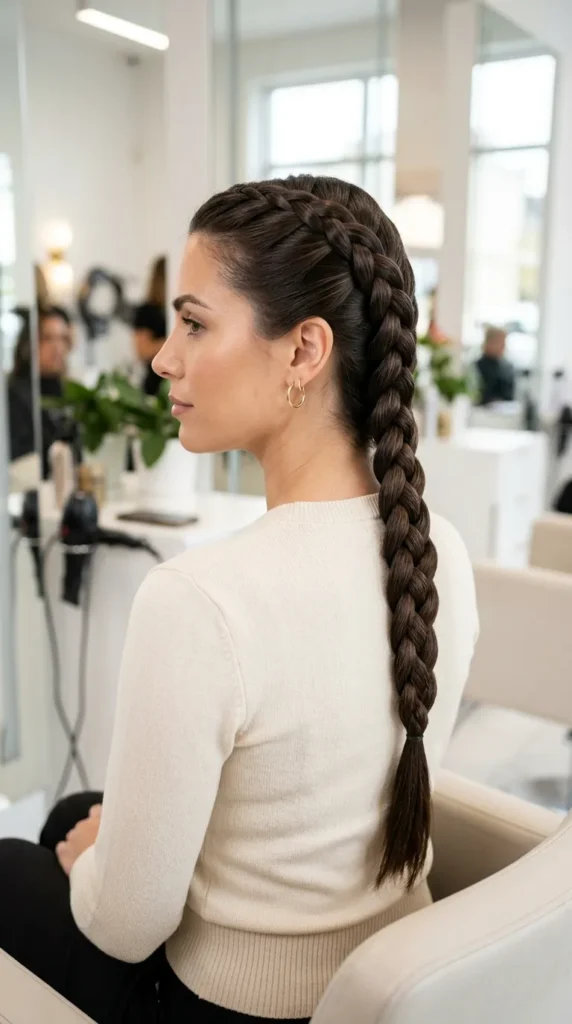
An intentionally loosened version of any braid, pulled gently apart after weaving and finished with a light texturizing spray for a lived in, casual appearance. This relaxed finish suits people wanting texture and interest without a fully polished, precise result overall.
A messy braid suits everyday wear especially well, offering visible texture and interest without requiring a fully polished, precisely defined finish throughout the day. This forgiving quality makes it a practical option for busy mornings when time is limited.
26. Sleek Braided Style for Polished Finish
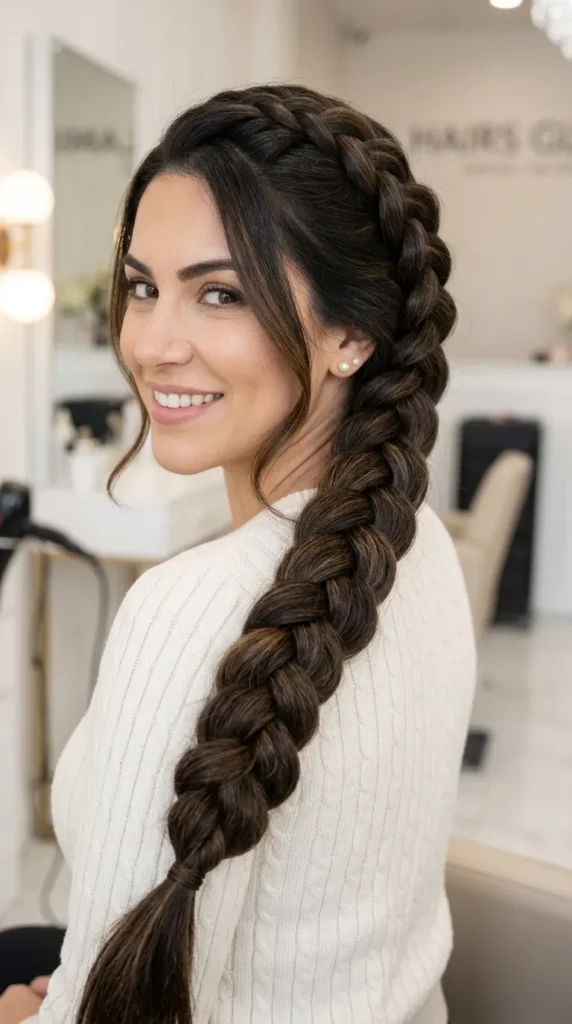
A version of any braid created with consistent, firm tension and smoothed edges, producing a compact, clearly defined pattern with maximum overall polish and shine. This polished version suits formal occasions or anyone wanting maximum definition throughout the entire braid overall.
A sleek finish requires steady hands and small, precise sections, since any inconsistency in tension becomes especially visible along a tightly woven pattern. Practicing on a mannequin head first can help build the confidence needed for this precise technique.
27. Braided Style for Weddings
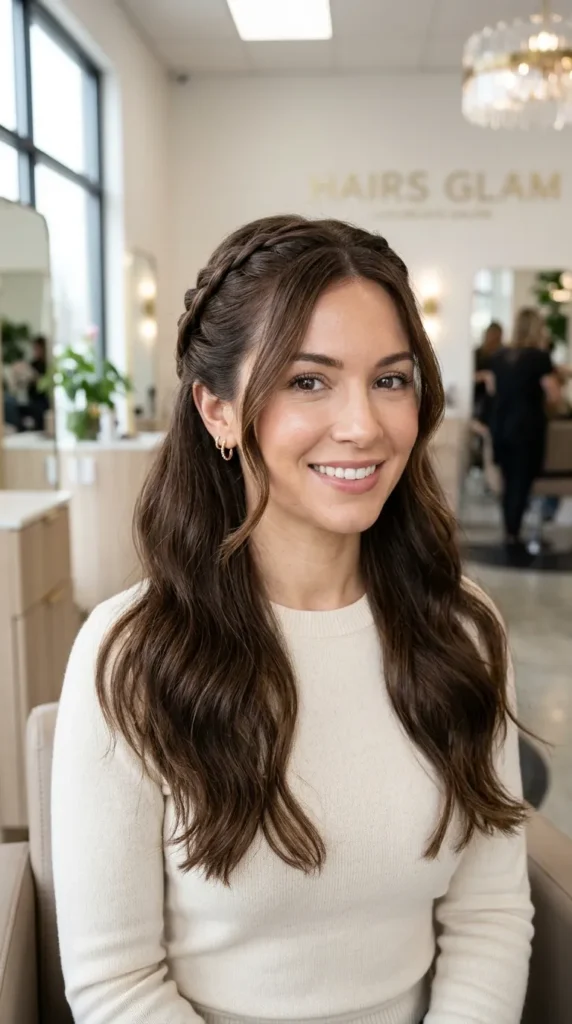
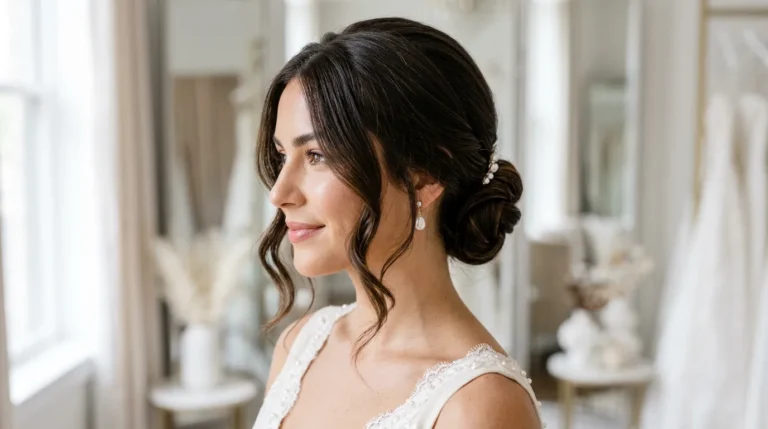
A polished, occasion ready braided style, often incorporating a veil, headpiece, or floral accent alongside a classic or more elaborate woven technique overall. Coordinating the braid with any headpiece ensures the overall bridal look feels genuinely cohesive throughout.
Brides choosing a braided style should schedule a trial run well in advance, testing how the braid holds through a full day of celebration and dancing. Photographing the trial helps confirm the final look works exactly as envisioned before the wedding day.
28. Braided Style for Second Day Hair
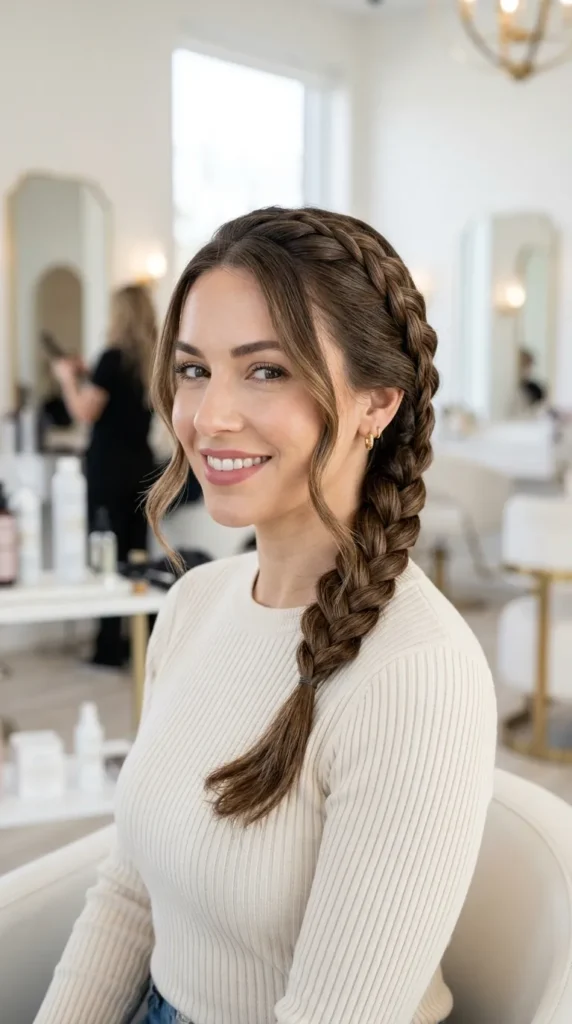
Braids created specifically on unwashed, second day hair, where natural oils and existing texture actually help the braid hold its shape more securely overall. This practical timing also means less overall preparation is needed before braiding actually begins each time.
Second day hair often produces the most secure, long lasting braided styles, since freshly washed hair can be too slippery to hold a tight weave. This makes second day hair one of the easiest, most reliable starting points for any braided style.
29. Braided Style with an Undercut
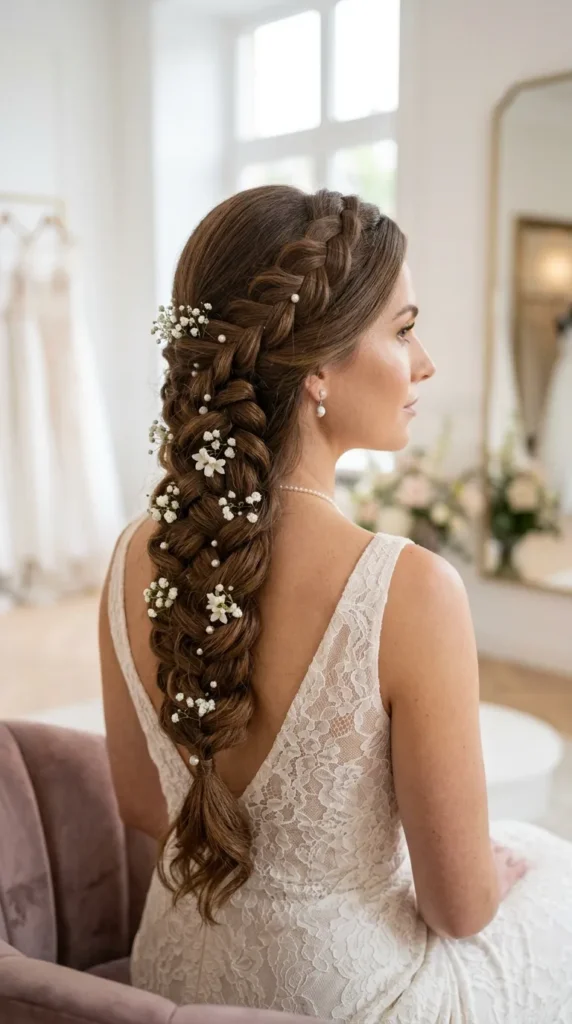
A braided style paired with a hidden undercut, revealing shaved or closely cropped hair beneath the visible top layer whenever the hair is styled up. This hidden detail adds an unexpected element of edge to an otherwise classic braided style overall.
An undercut paired with a braid adds an unexpected, edgier detail that shows only when the style is worn up rather than left completely down. This hidden element offers a fun surprise for anyone who happens to catch a glimpse of it.
30. Braided Style Inspired by Celebrities
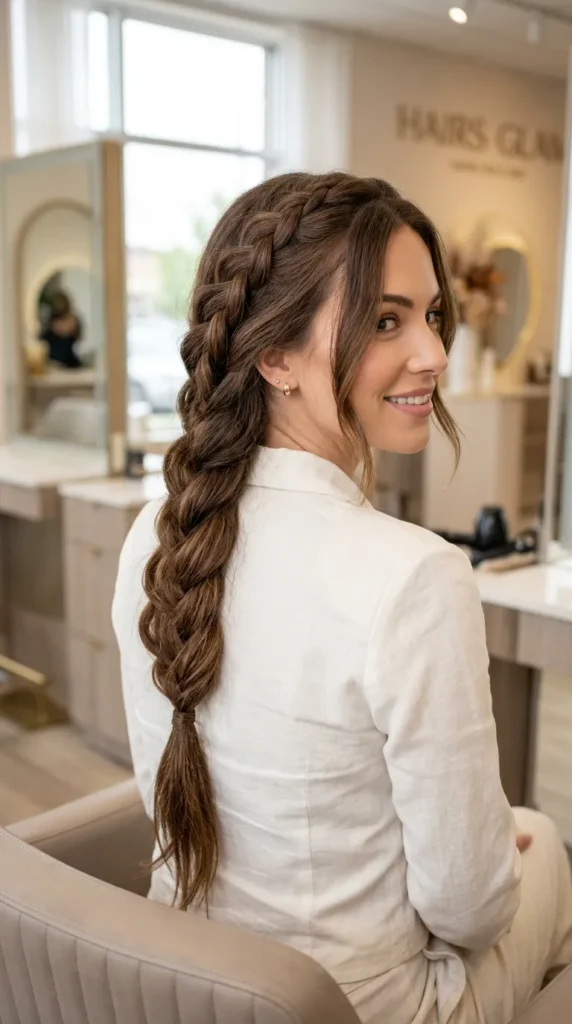
Braid styles adapted from a specific celebrity reference, taking a particular placement, texture, or finishing detail you admire and translating it for your own hair. Researching a few different references also helps clarify exactly which details you want to replicate closely.
Celebrity inspired braided styles work best when you choose a reference with a similar hair length and texture to your own for the most accurate result. Matching these factors closely helps set realistic expectations for how your own final result will look.
31. Braided Style Maintenance Throughout the Day
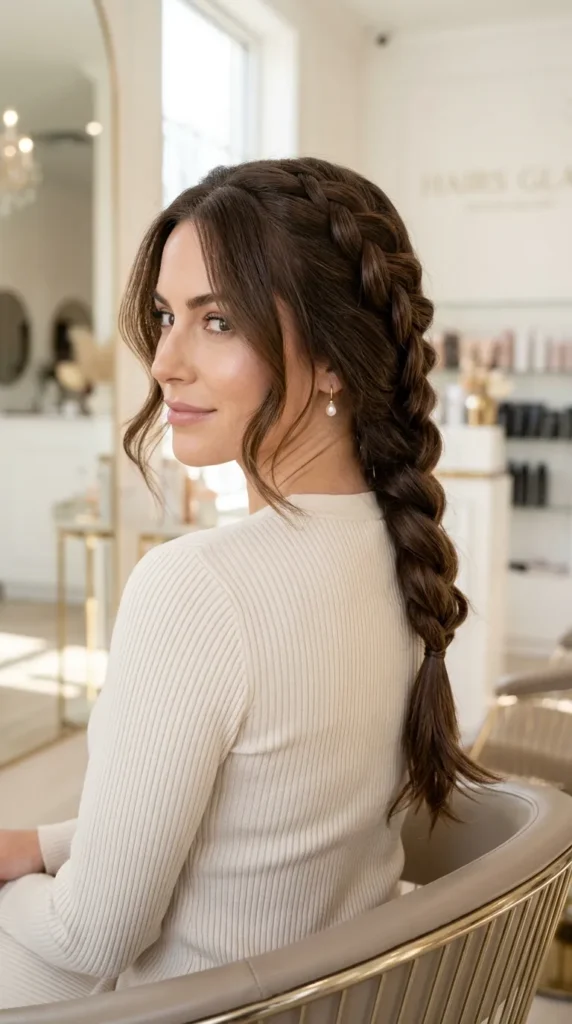
Understanding how to keep any braided style looking fresh from morning through evening, including small touch ups and securing any sections that begin to loosen. Being prepared with the right tools makes it much easier to maintain any style from morning through evening.
Carrying a few small clear elastics throughout the day makes it easy to re secure any braid if it begins to loosen unexpectedly before evening arrives. Being prepared this way helps the style hold up through unexpected activities or a longer than planned day.
32. Learning Different Braiding Techniques
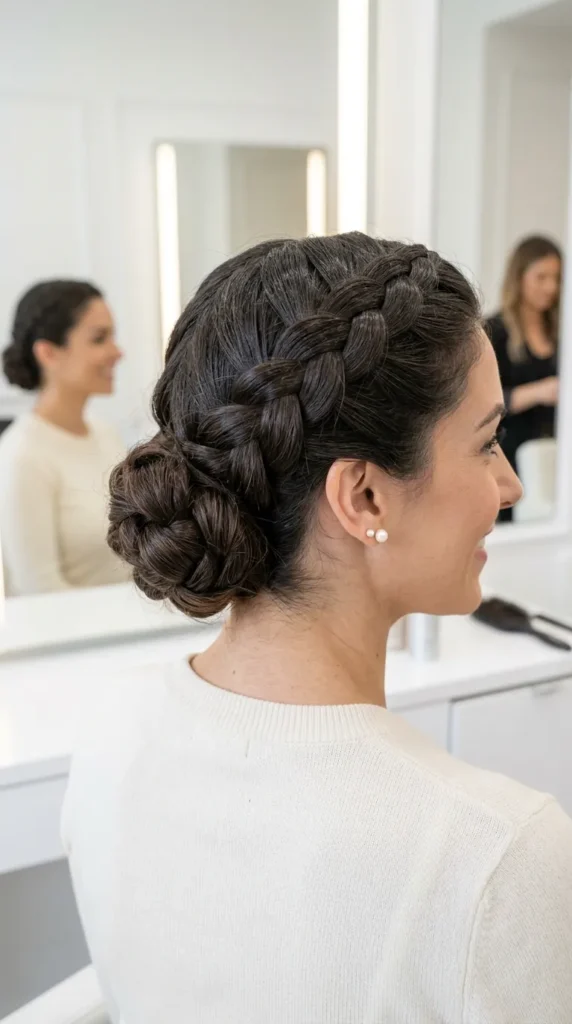
Understanding the practice required to master various braiding techniques, since each style depends on consistent section size and steady tension throughout the entire weaving process. Patience during the learning process pays off with noticeably faster, more confident braiding over time overall.
Practicing on a mannequin head or with a friend helps build the muscle memory needed to create smooth, even braids confidently across every technique available. Consistent practice over several attempts noticeably improves both the speed and precision of your braiding.
Making Braided Hairstyles Work For You
Braided hairstyles remain among the most versatile, texture rich options available, offering endless variation from a relatively small set of core techniques. The tightness, placement, and finishing details can all be adjusted for nearly any hair length, texture, and occasion once the fundamentals are understood.
Practice each technique with small, consistent sections and steady tension. Keep a texturizing spray on hand to help fine or slippery hair hold any weave securely. Then enjoy the intricate, endlessly versatile charm that truly well done braided hairstyles bring to your everyday routine.