28 Ombre Hair Color Ideas for Dimensional Beauty
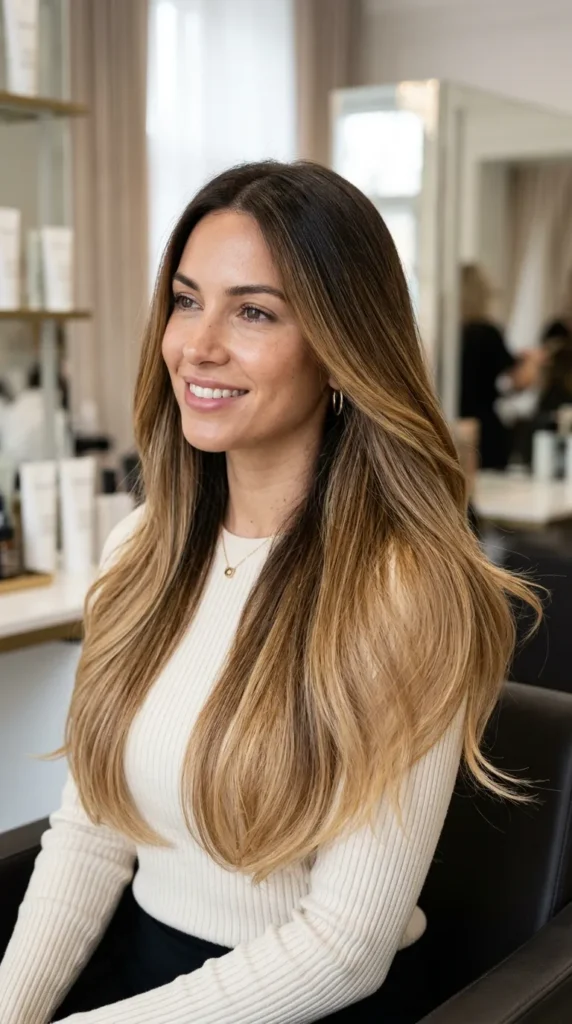
Ombre hair color is genuinely one of the most enduring color techniques in modern hairstyling. It creates a deliberate gradient, transitioning from a darker root into a lighter shade toward the ends, producing a graphic, intentional effect rather than the softer blend seen in balayage. A good ombre feels smooth and purposeful in its transition. A poorly done ombre can look like a harsh line rather than a genuine gradient. The difference lies in understanding blending technique, tone selection, and what genuinely flatters your natural base color and skin tone.
These twenty eight ombre approaches show you different ways to wear this gradient technique, from subtle tonal shifts to dramatic, high contrast transformations. Whether you have dark or light natural hair, whether you want a barely there gradient or something striking, there is an ombre approach that works for you. Let me show you what ombre hair color actually involves and how to make it work for your life.
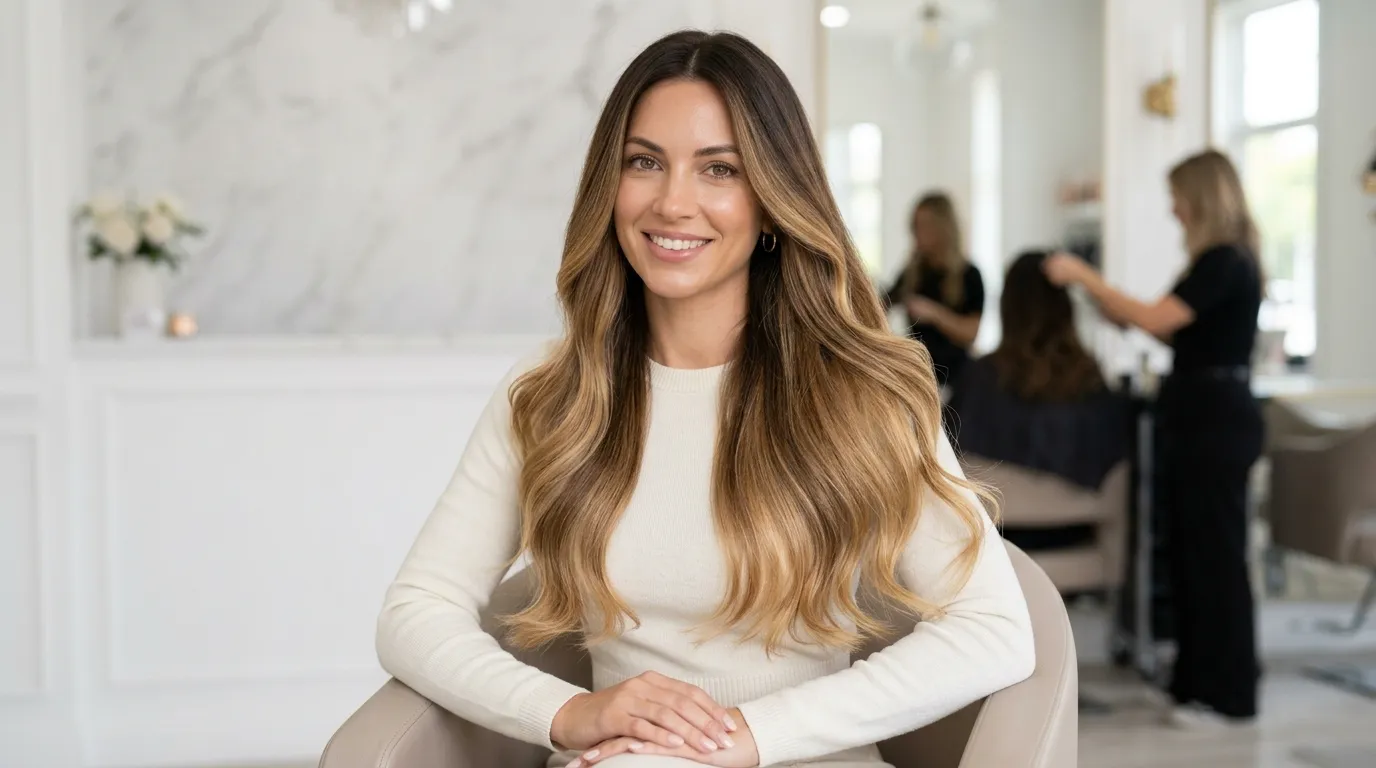
1. Classic Brown to Blonde Ombre
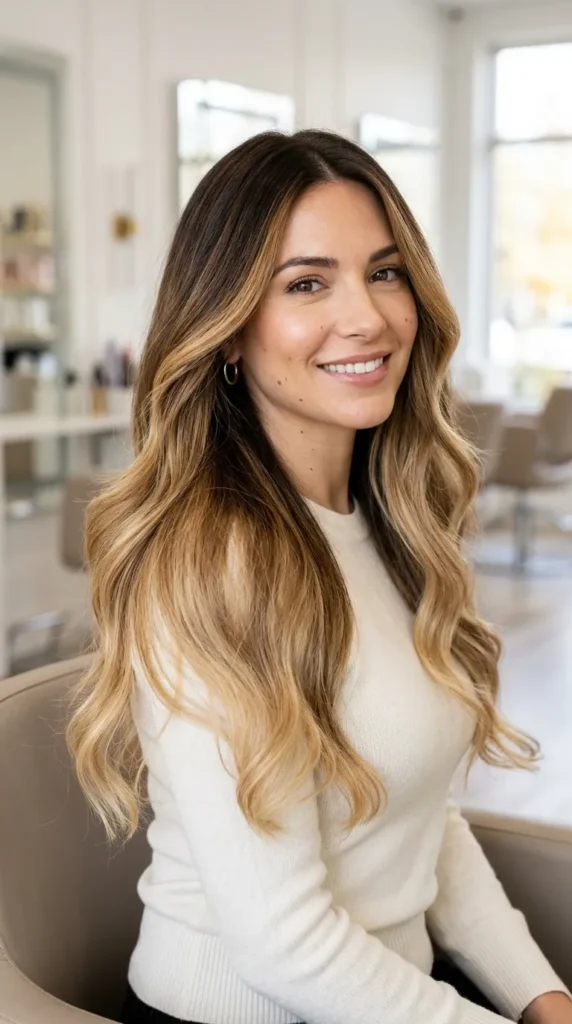
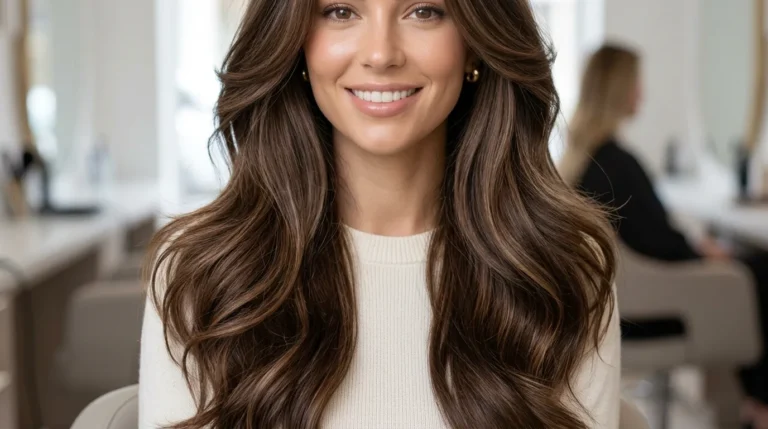
A deep brown root gradually transitioning into a warm blonde toward the ends, creating the signature gradient most people picture first when they think ombre. Many people find this small adjustment makes a real difference in how the color wears over time. This approach requires very little adjustment to your existing morning routine.
Ask your colorist for a smooth, gradual blend rather than a harsh line between the two tones. This classic combination flatters a wide range of skin tones. It is a detail worth revisiting periodically as your hair and preferences naturally evolve. It remains one of the most requested formulas among people with dark hair.
2. Black to Brown Ombre
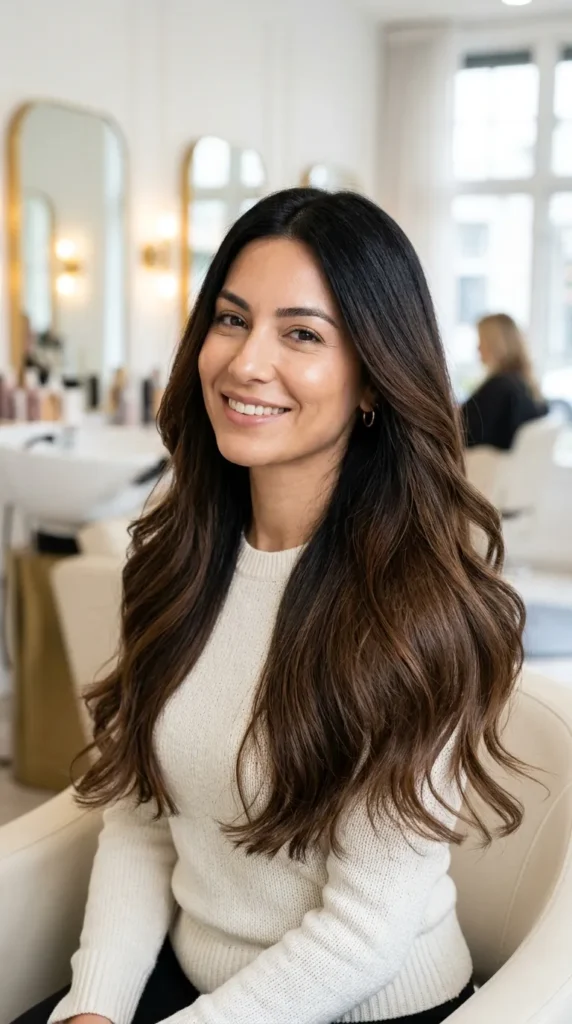
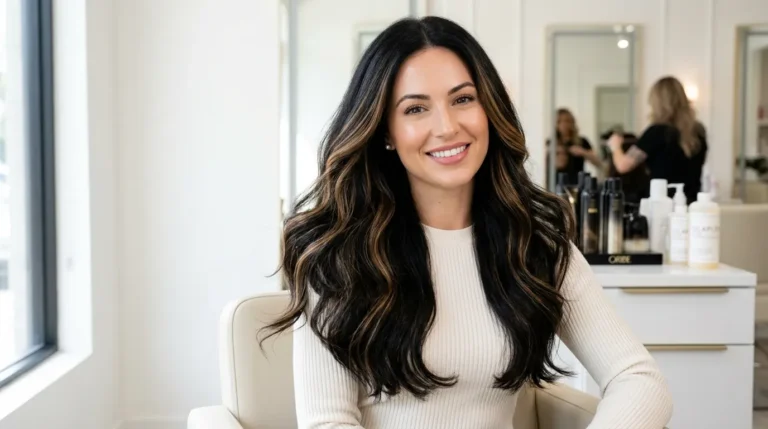
A rich black root transitioning into a warm chocolate brown toward the ends, creating subtle dimension without straying too far from a naturally dark base color. This choice tends to suit a wide range of skin tones and lifestyles fairly easily. This method has stood out across many different hair textures and lengths.
This combination offers a gentler introduction to ombre for people with naturally dark hair who want dimension without a dramatic overall lightening commitment. It is worth asking your colorist directly whether this suits your specific undertone. It offers a genuinely practical balance between richness and everyday upkeep.
3. Subtle Tonal Ombre
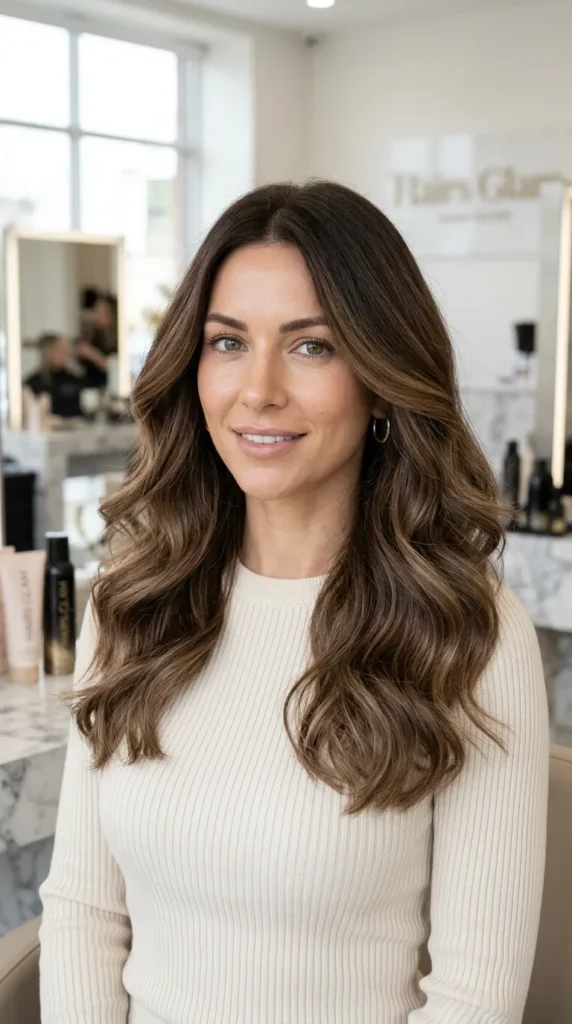
A gentle gradient using tones very close to your natural base color, creating dimension that reads as naturally sun kissed rather than obviously colored throughout. Most people adapt to this small shift within just a couple of salon visits. This approach continues to be recommended by experienced colorists nationwide today.
Subtle tonal ombre works beautifully for people wanting the technique without an obvious color change, and it requires minimal ongoing maintenance between salon visits. This detail often becomes the feature that people compliment the most about the color. It suits both special occasions and relaxed, everyday wear equally well.
4. Dramatic High Contrast Ombre
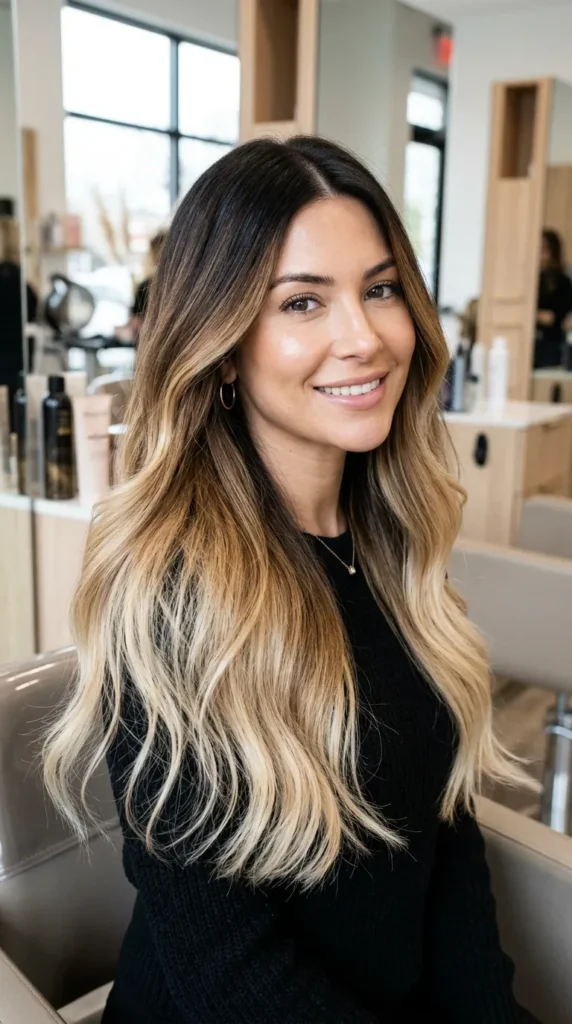
A bold gradient using two significantly different tones, creating striking, unmistakable contrast between the root and the ends of the hair overall. A quick conversation with your colorist beforehand ensures this element matches your expectations closely. This method pairs naturally with accessories and styling products already on hand.
Dramatic ombre makes a genuine style statement. This version suits people comfortable with a more obvious, eye catching color transformation throughout their hair. This choice reflects personal preference as much as it reflects practical daily convenience. It remains a dependable choice regardless of the specific season or setting.
5. Red to Blonde Ombre
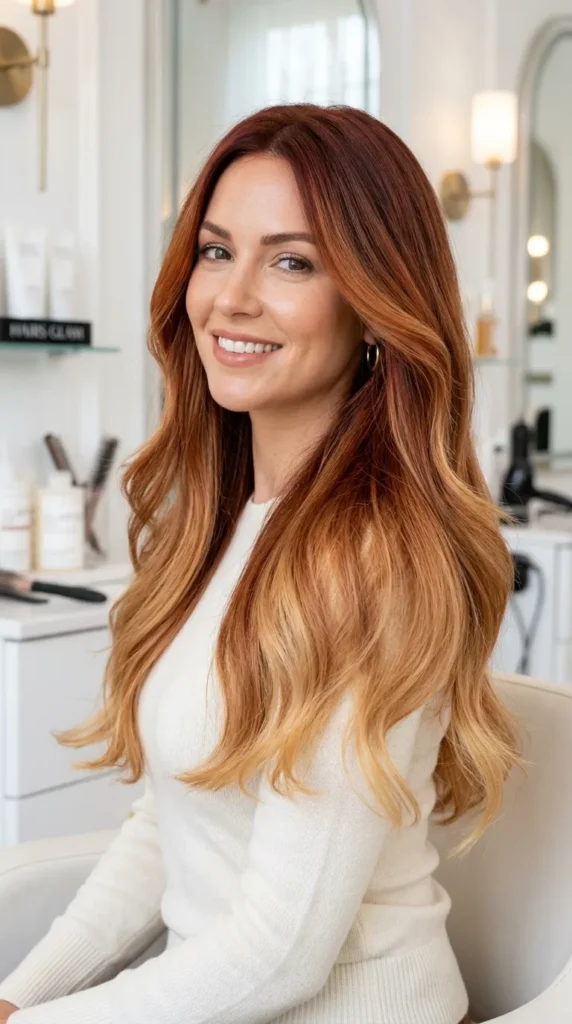
A rich red or auburn root transitioning into a golden blonde toward the ends, creating a warm, fiery gradient that feels bold and genuinely eye catching. It is an easy detail to incorporate without disrupting your existing hair care routine. This approach has helped many people simplify their overall color maintenance routine.
This combination flatters warm skin undertones especially well, creating a radiant, sun kissed effect that photographs beautifully in natural daylight throughout the year. This adjustment works especially well when paired with the right supporting products. It offers flexibility that few other approaches can genuinely match easily.
6. Ash Blonde Ombre
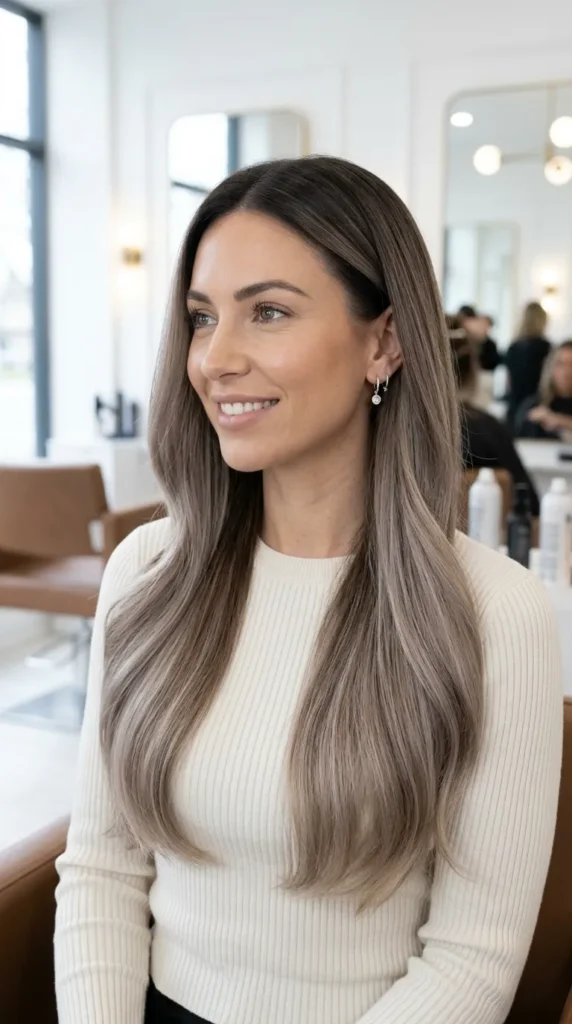
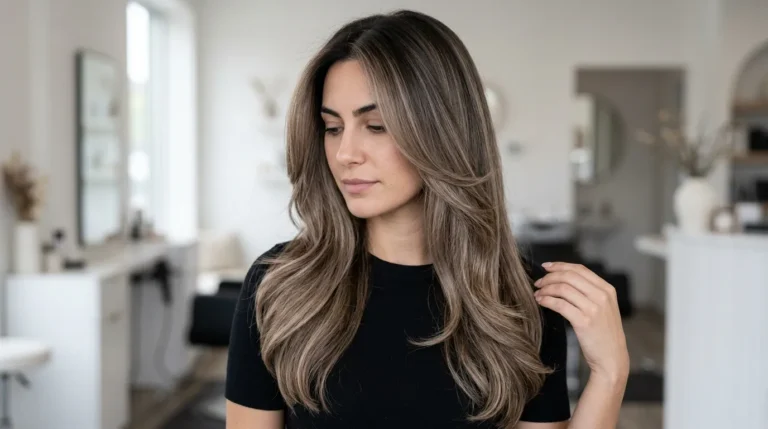
A cooler toned root transitioning into an ash blonde shade toward the ends, creating a smoky, sophisticated gradient rather than a warm, golden effect. This is one of the easiest ways to personalize the shade without extra upkeep. This is a reliable choice worth considering for your next color appointment.
Ash ombre requires careful toning to prevent brassiness as it grows out. This combination suits people wanting a modern, understated color transformation. Most colorists can execute this adjustment within a completely normal appointment time. It photographs well and holds up through active, busy everyday schedules.
7. Ombre on Long Hair
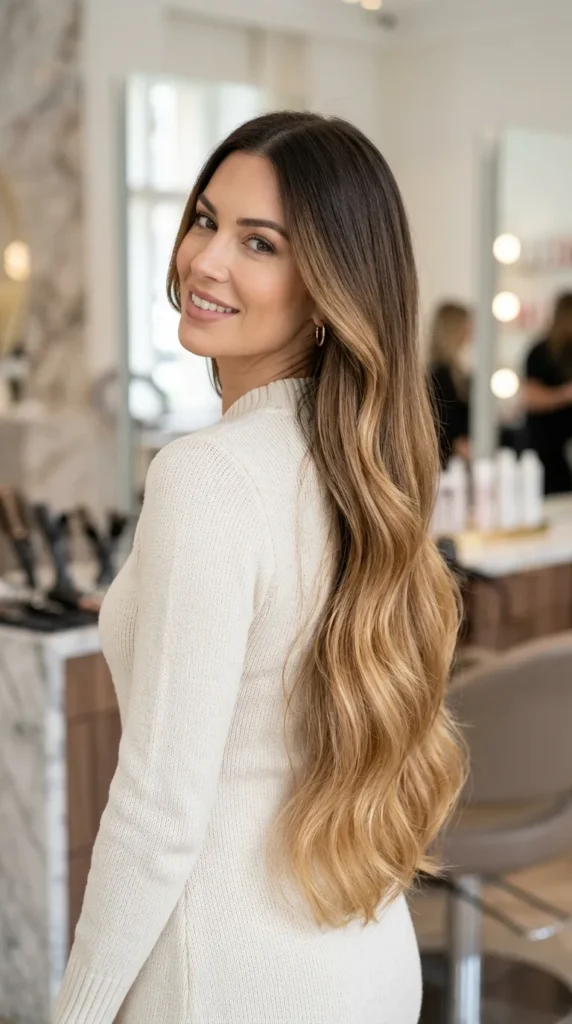
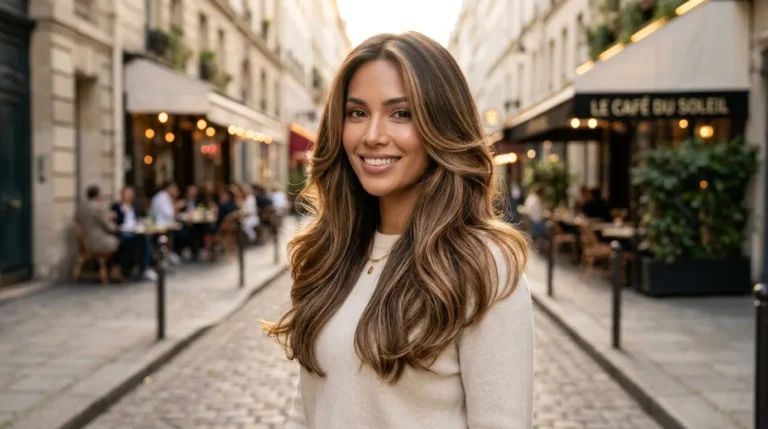
Ombre technique applied through long length, allowing the gradient plenty of room to transition gradually and smoothly across the entire visible length. It is worth mentioning this specific preference clearly during your very first consultation. This detail continues to be a favorite among people who value effortless color.
Long hair genuinely showcases ombre beautifully, since there is enough length for the color transition to feel gradual rather than abrupt or rushed. This small customization often becomes a defining feature of your overall color. It suits nearly every occasion from casual errands through more formal events.
8. Ombre on Medium Length
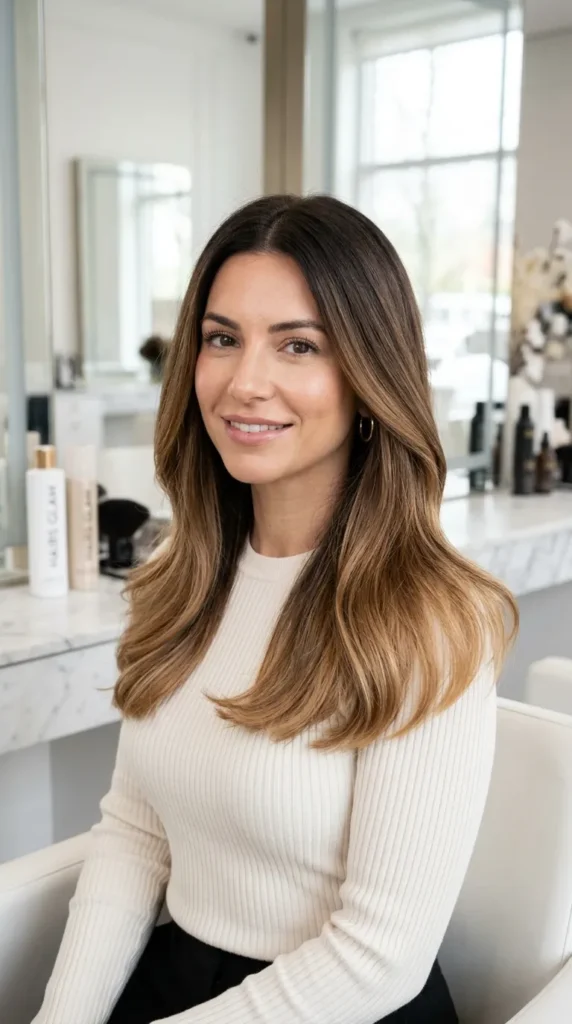
Ombre technique on shoulder length or slightly shorter hair, where the gradient needs to transition more quickly given the reduced overall length available. Bringing a clear photo reference to your appointment helps communicate this detail precisely. This approach rewards a little extra planning time while discussing options with your colorist.
Medium length ombre requires careful planning from your colorist to ensure the transition still feels smooth despite the shorter distance to work within. This approach genuinely rewards a bit of patience during the initial toning process. It remains genuinely versatile across nearly every climate and lifestyle.
9. Ombre on Curly Hair
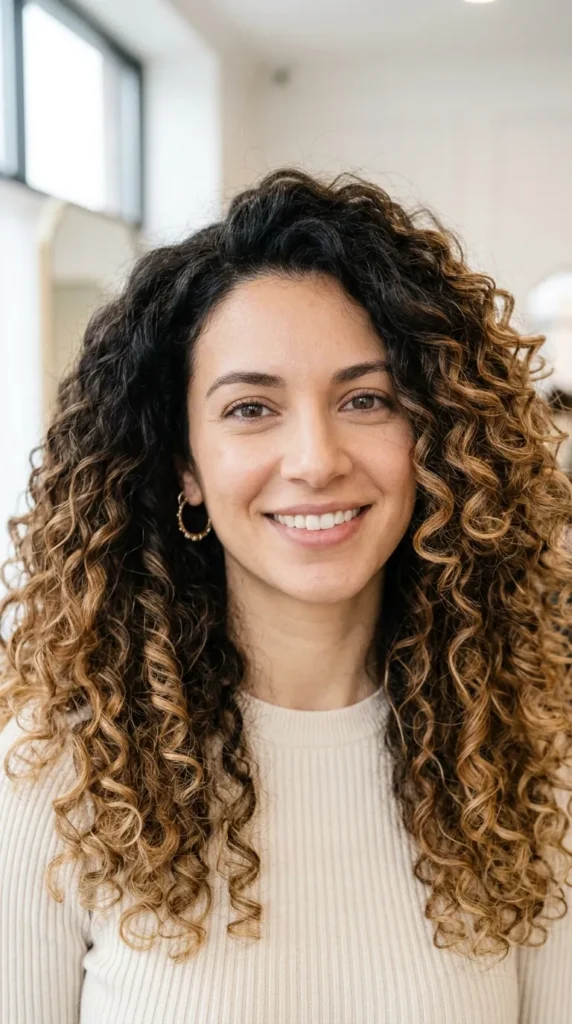
Ombre color applied to naturally curly or coily hair, where the curl pattern affects how the gradient reads once the hair springs back to its natural shape. Most people find this particular element easy to maintain between regular salon visits. This method has stood out as a consistently smart choice for many people.
Ombre on curly hair should be colored with the curl pattern in mind, since shrinkage can compress the visible transition once the hair fully dries. This choice tends to age gracefully as the color grows out naturally. It offers real, lasting brightness in exchange for a manageable maintenance schedule.
10. Ombre on Straight Hair
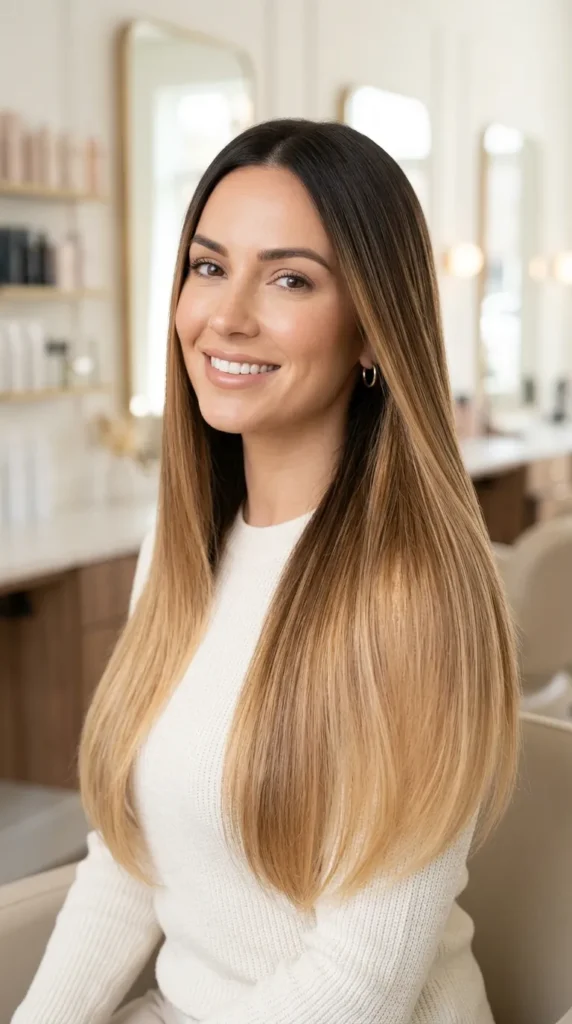
Ombre color applied to naturally straight hair, where the gradient reads with maximum clarity since there is no curl pattern to disrupt the visible transition. It is a small investment of time that pays off with lasting dimension later. This is genuinely a first step worth trying before considering anything more dramatic.
Straight hair ombre showcases the gradient with genuine precision, making smooth blending technique especially important to avoid any harsh, visible lines. This detail suits people wanting a slightly more personalized and considered final result. It complements nearly every face shape when executed thoughtfully by a professional.
11. Ombre on Fine Hair
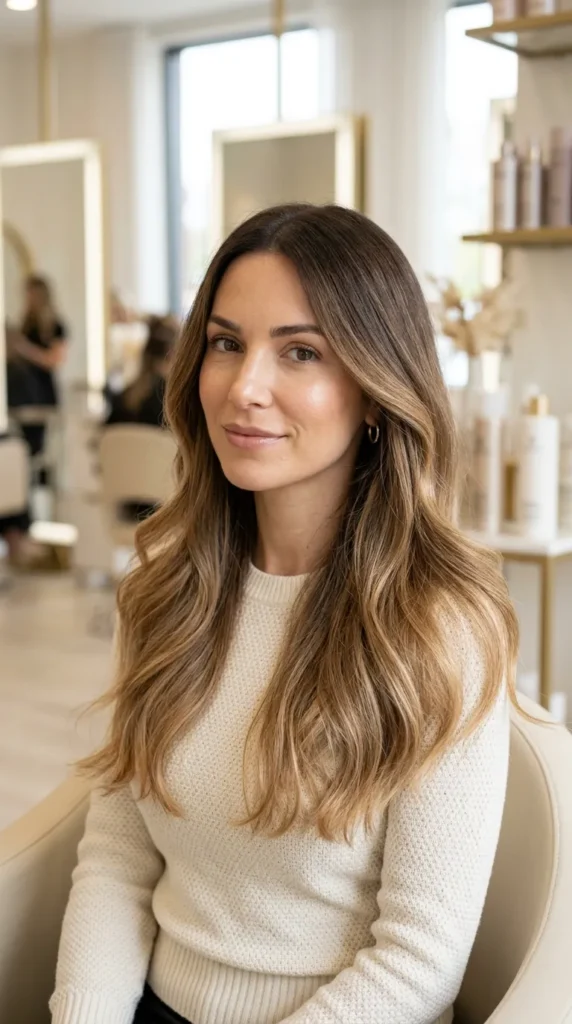
Ombre color applied carefully to fine hair, using a softer transition to avoid making already delicate strands look thinner or more damaged at the ends. A skilled colorist will naturally suggest this adjustment if it suits your features well. This approach continues to prove itself valuable across many different color goals.
Fine hair ombre benefits from a gentler lightening process and regular deep conditioning to maintain strength throughout the lightened sections of the hair. It is genuinely satisfying once the color settles into its intended final depth. It suits both short term freshening and long term color health goals.
12. Ombre on Thick Hair
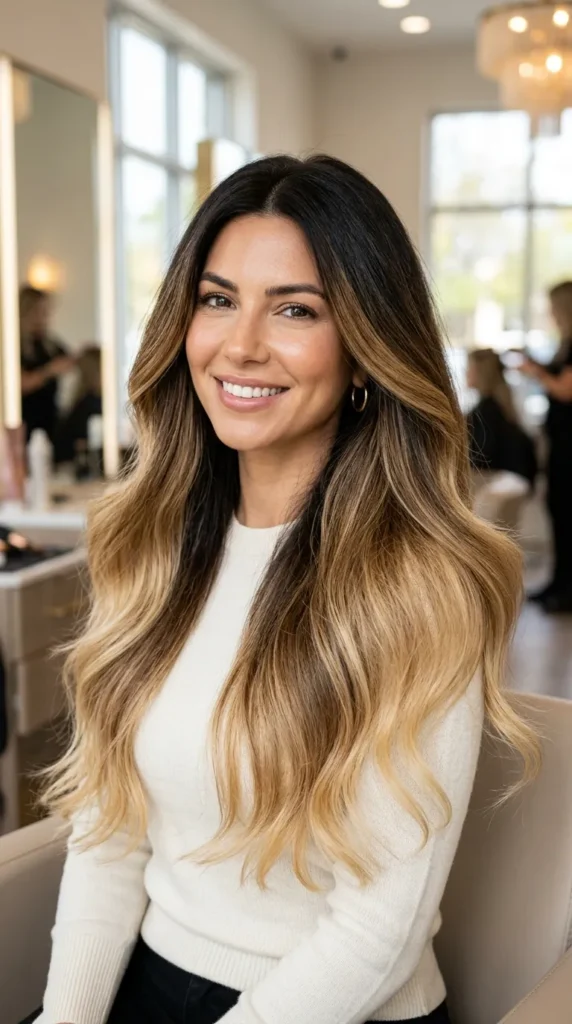
Ombre color applied to thick hair, where the natural volume allows for a bolder, more dramatic gradient without appearing sparse or uneven throughout. This is a genuinely popular request among people drawn to dimensional gradient color. This method has proven itself popular across many different hair textures and lengths.
Thick hair can handle a more pronounced color transition, since there is enough density to showcase the technique clearly and confidently overall. This choice works particularly well when paired with the right daily hair care habits. It offers a genuinely practical balance between cost and improved everyday results.
13. Caramel Ombre
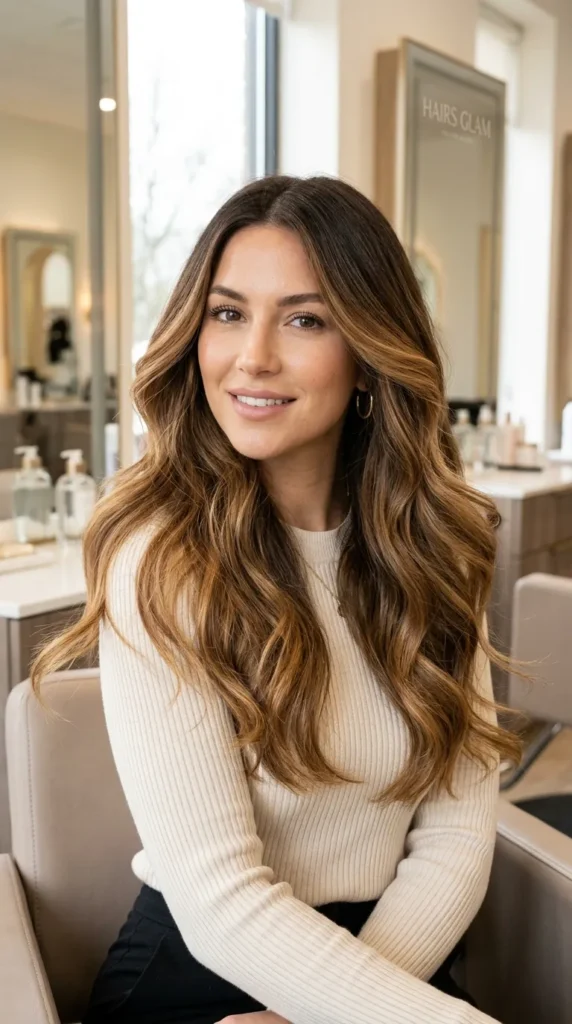
A warm caramel tone used for the lightened ends, creating a golden, honey toned gradient that feels rich and genuinely flattering against darker roots. It generally requires no significant extra maintenance beyond your regular gloss schedule. This approach continues to be recommended by experienced colorists and stylists alike.
Caramel ombre works beautifully on brunette bases specifically, creating a cohesive, warm transition that photographs well in both daylight and indoor lighting. This option is worth considering seriously during your very next salon appointment. It suits both damaged hair and healthier hair needing routine maintenance.
14. Platinum Ombre
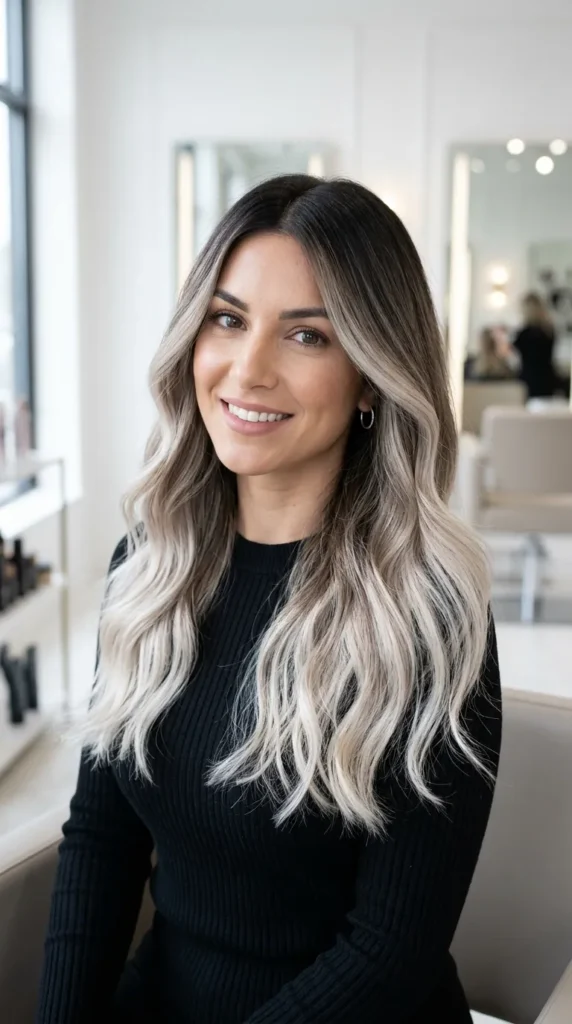
A striking platinum blonde used for the lightened ends, creating maximum contrast against a darker root for a genuinely bold, high impact result. This choice tends to photograph particularly well under natural daylight and warm indoor lighting. This method pairs naturally with most existing hair care habits already in rotation.
Platinum ombre requires significant lightening and careful toning to avoid brassiness. This combination makes an unmistakable statement wherever it is worn. It adds a layer of richness that elevates the entire color noticeably. It remains a dependable choice regardless of the season or specific concern.
15. Pastel Ombre
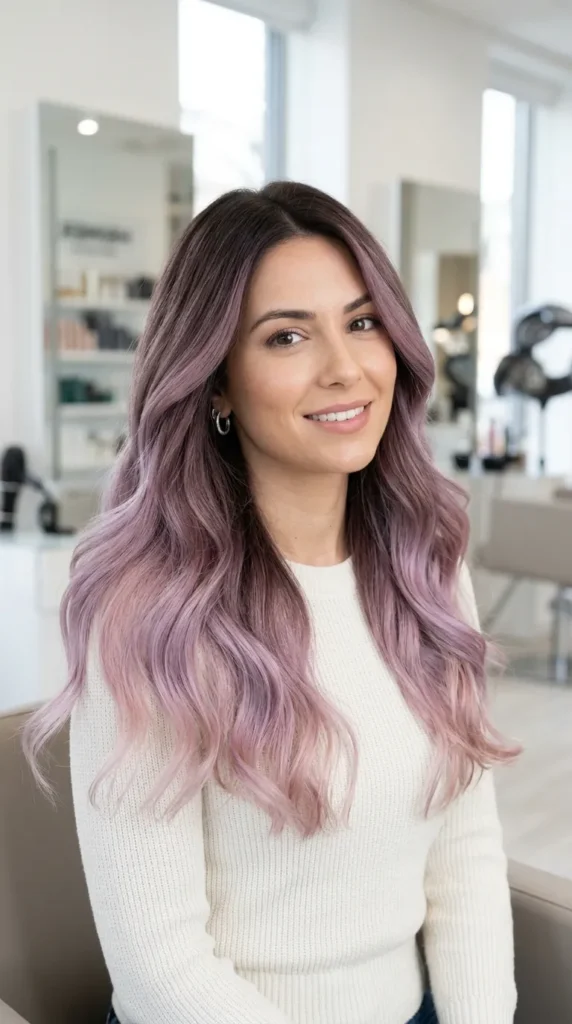
Soft pastel tones like lavender or pink used for the lightened ends, creating a playful, unexpected gradient that feels fresh and genuinely fun to wear. A quick discussion with your colorist ensures this detail matches your expectations exactly.
Pastel ombre requires significant pre lightening before the pastel tone can be applied successfully. This version suits people wanting a bold, creative statement. This small customization is one of the easiest ways to personalize a classic tone.
16. Ombre with Face Framing Emphasis
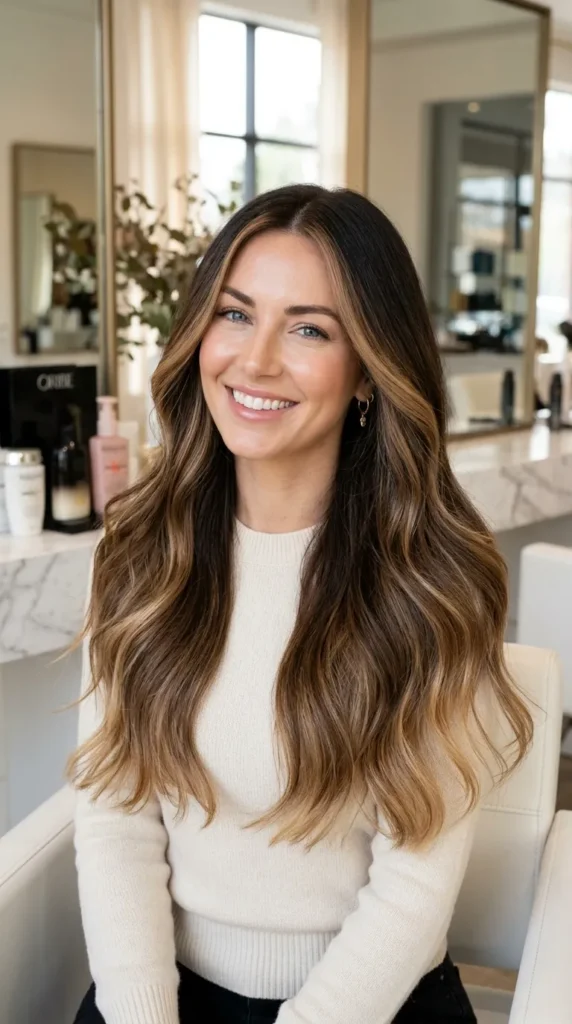
Ombre technique concentrated slightly more around the face, brightening the complexion while the gradient continues more subtly through the rest of the length. It is worth requesting this specifically if it is not already part of your usual formula.
This placement combines the gradual blend of ombre with the targeted brightness of face framing, creating focused impact around your most visible features. This detail often makes a genuinely noticeable difference in how the gradient reads.
17. Reverse Ombre
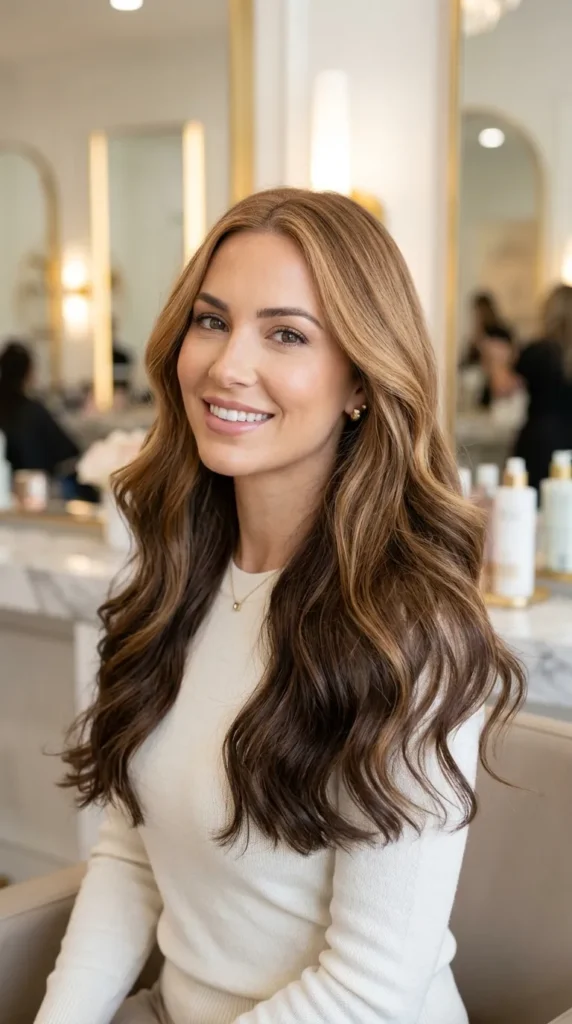
A gradient that transitions from lighter at the root into darker toward the ends, reversing the typical ombre placement for an unexpected, editorial looking result. Most people grow to appreciate this adjustment more with each passing week of wear.
Reverse ombre suits people wanting an unconventional take on the technique, often achieved by depositing color at the ends rather than lightening them. It is worth trying even if you feel a little uncertain about it at first.
18. Ombre with Money Piece Highlights
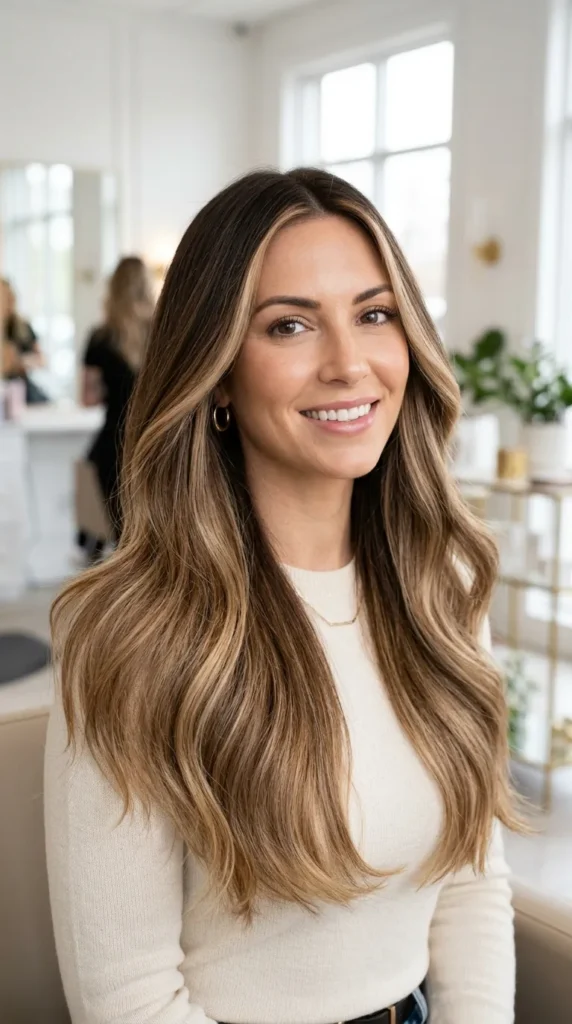
Ombre color paired with an additional money piece highlight framing the face specifically, adding brightness near the face alongside the broader gradient throughout the length. This choice pairs naturally with most existing hair care routines already in place.
This combination adds an extra layer of dimension, since the face framing piece draws attention forward while the ombre creates depth throughout the rest. It remains a dependable option regardless of the season or the occasion at hand.
19. Ombre for Warm Skin Tones
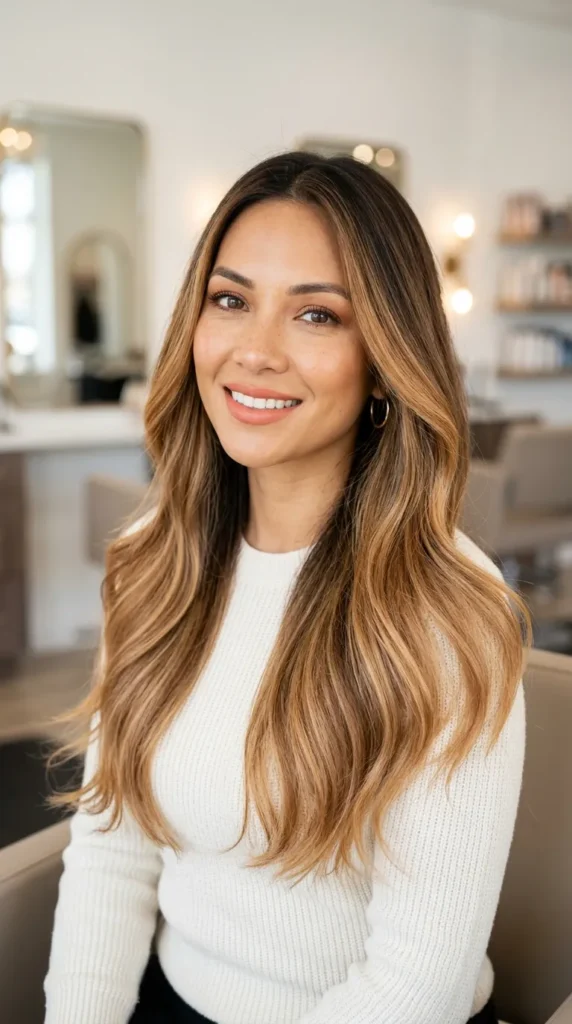
Ombre tones chosen specifically to flatter warmer undertones, leaning toward caramel, honey, or copper formulas that brighten warm complexions rather than clashing. This approach has stood the test of time across many different gradient color trends.
Warm toned ombre creates a genuinely radiant, sun kissed effect that photographs beautifully in both daylight and warm indoor lighting throughout the day. It offers a genuinely practical balance between boldness and everyday upkeep.
20. Ombre for Cool Skin Tones
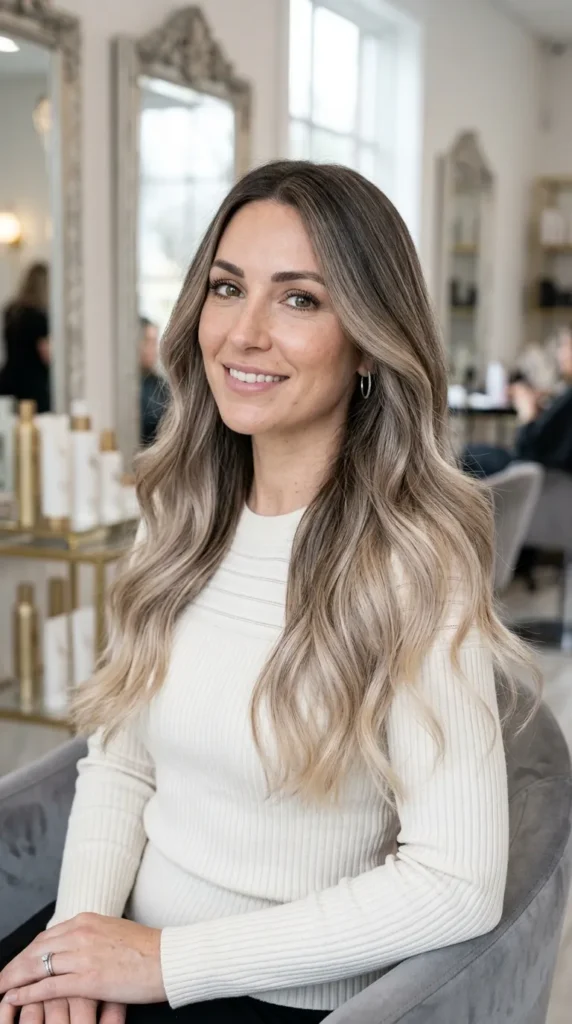
Ombre tones chosen specifically to flatter cooler undertones, leaning toward ash or champagne formulas that create flattering contrast against cool complexions overall. This method has proven itself across many different skin tones and hair textures.
Cool toned ombre requires careful formulation to avoid brassiness. This combination creates a sophisticated, modern contrast against cooler natural hair colors. It offers a genuinely practical balance between brightness and natural looking depth.
21. Ombre with Glossy Shine Treatment
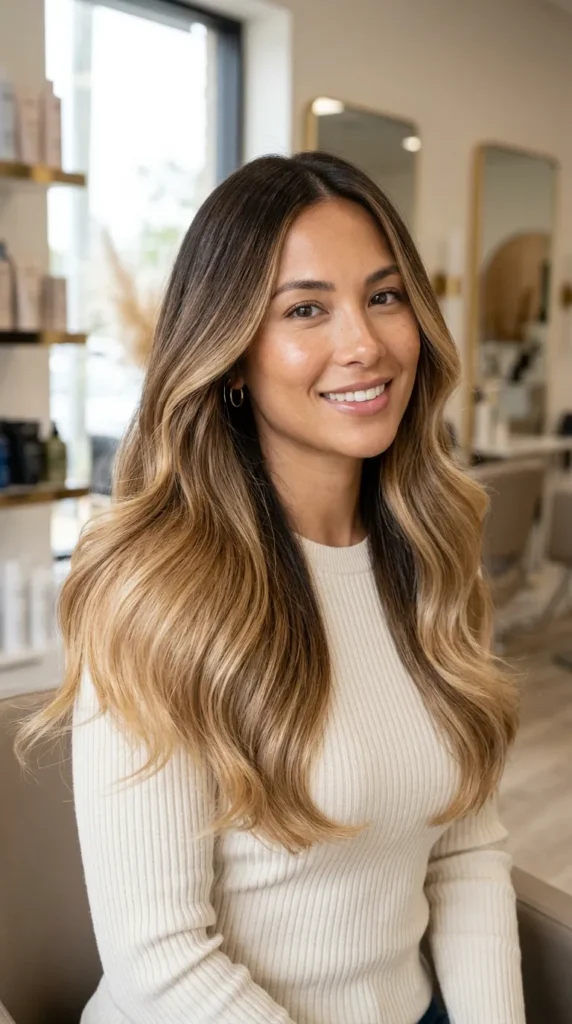
Ombre color finished with a clear or tinted gloss treatment that seals the cuticle and reflects light beautifully, keeping the lightened ends looking polished. This approach continues to be recommended by experienced colorists working with this technique.
Regular gloss treatments help ombre hair stay vibrant and glossy rather than fading into a dull, brassy texture over time between salon visits. It suits both special occasions and relaxed, everyday wear equally well.
22. Ombre Maintenance and Care
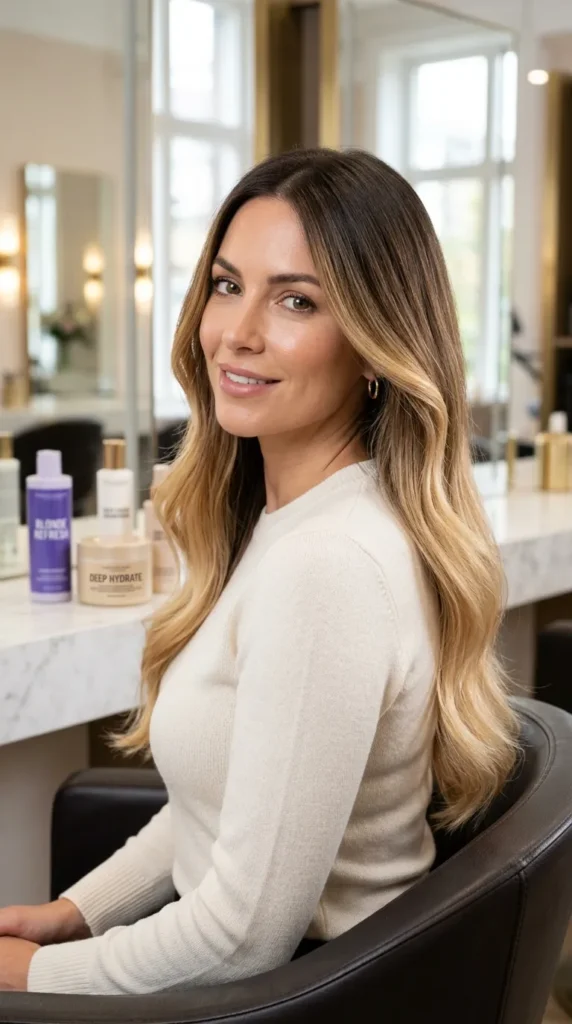
Purple or blue toning shampoo helps keep lightened ombre ends from turning brassy between salon visits. Regular trims keep the ends looking healthy overall. This method pairs naturally with most existing hair care routines already in place.
Ombre generally requires less frequent root touch ups than balayage or highlights, since the gradient is designed to grow out relatively gracefully over time. It remains a dependable choice regardless of the season or specific occasion.
23. Transitioning to Ombre
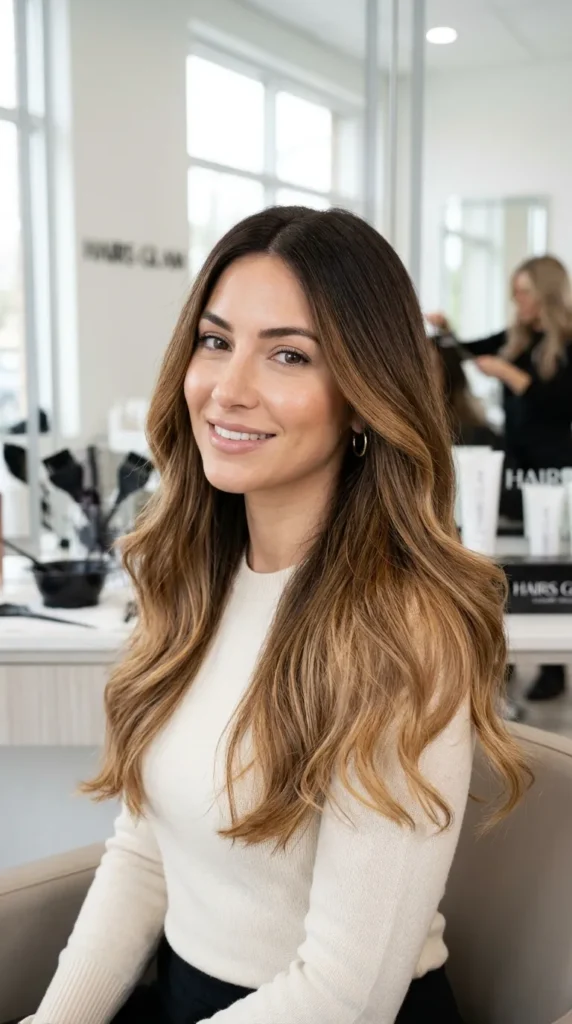
Transitioning from a solid, single tone color to ombre, understanding the process through one focused lightening session or several gradual sessions depending on hair health. This approach has helped many people achieve genuine dimension without losing depth.
Discuss a realistic timeline with your colorist, especially if your hair has never been lightened before, since healthy transitions sometimes require more than one visit. It offers flexibility that few other techniques can genuinely match easily.
24. Ombre Inspired by Celebrities
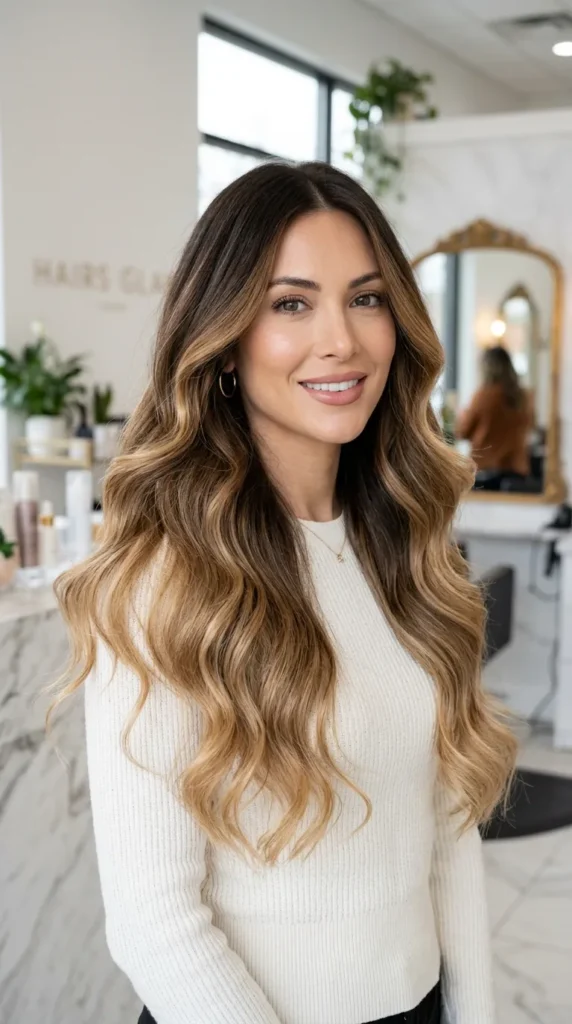
Ombre shades adapted from celebrity references, finding someone whose gradient you admire and translating that specific tone combination for your own base color and features. This is a reliable choice worth keeping in your color rotation throughout the year.
Celebrity inspired ombre works best when you choose a reference with a similar natural depth and skin undertone to your own starting point. It supports healthier looking hair through both everyday wear and demanding periods.
25. Ombre for Special Occasions
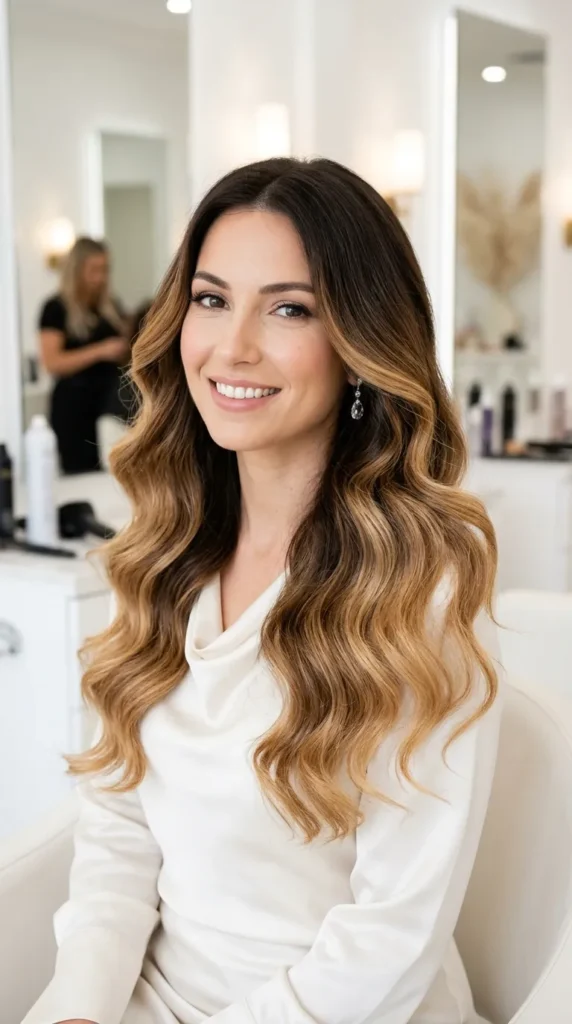
Temporary ombre options, including color sprays applied to the ends, added specifically ahead of an event to preview the effect before committing permanently. This detail continues to be a favorite among people who value dimensional color.
Temporary ombre options are a low risk way to test the gradient effect before booking a permanent lightening appointment with your regular colorist. It suits nearly every stage of building a more radiant, natural looking result.
26. Ombre Combined with Balayage Technique
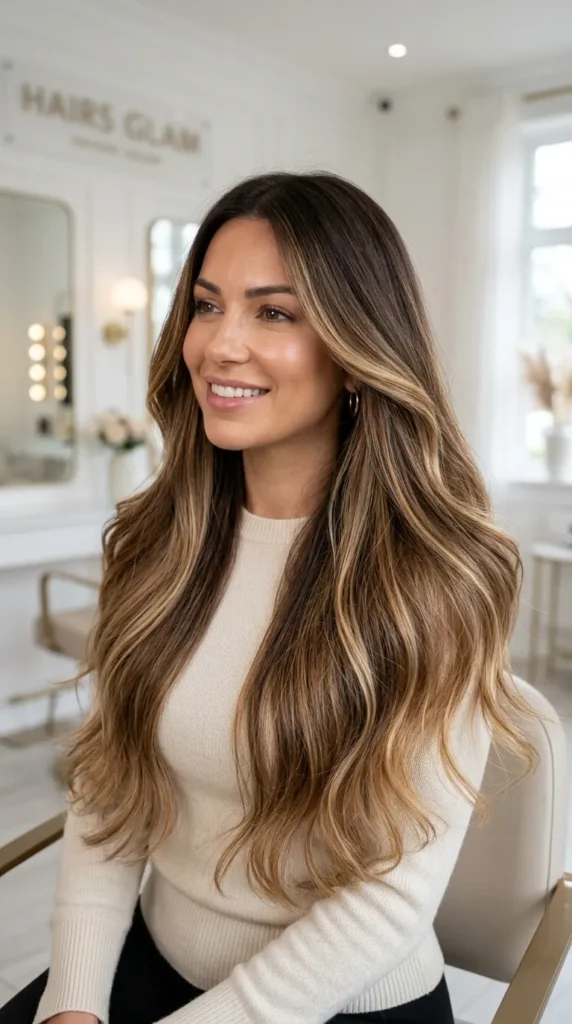
Ombre color blended using balayage application methods, softening the typical gradient line into something more hand painted and naturally graduated throughout. This approach rewards a little extra planning time while discussing options with your colorist.
This combination technique creates a more expensive, blended looking result, softening the more graphic quality traditional ombre placement typically produces. It remains genuinely versatile across nearly every climate and lifestyle.
27. Ombre for Various Hair Lengths
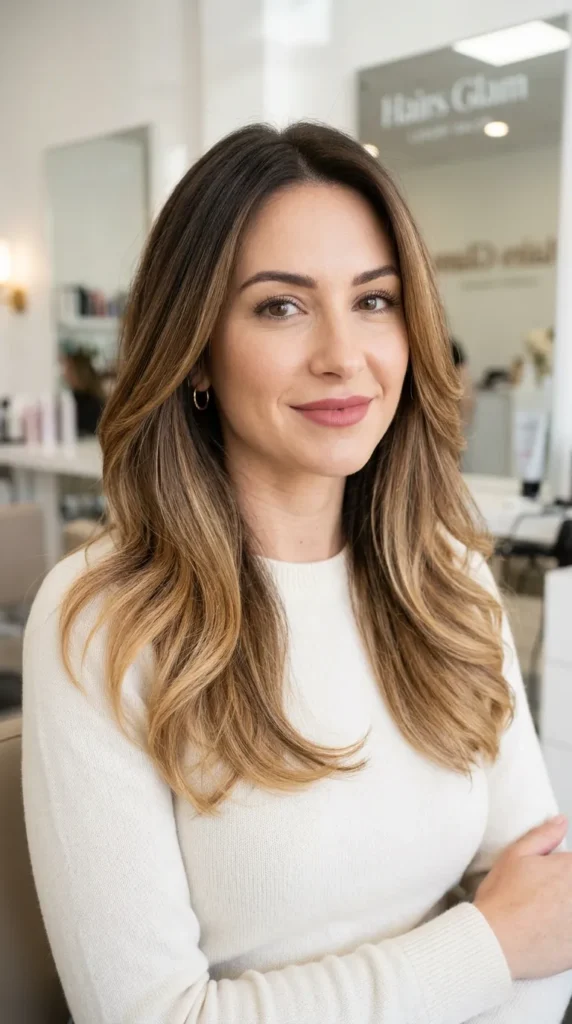
Ombre adapted specifically for your hair length, adjusting where the transition begins based on how much length is actually available to work with. This method has stood out as a consistently smart choice for many people.
Discuss placement with your colorist based on your specific length, since the gradient needs enough room to transition smoothly regardless of overall hair length. It offers real, lasting brightness in exchange for a manageable maintenance schedule.
28. Finding Your Ombre Colorist
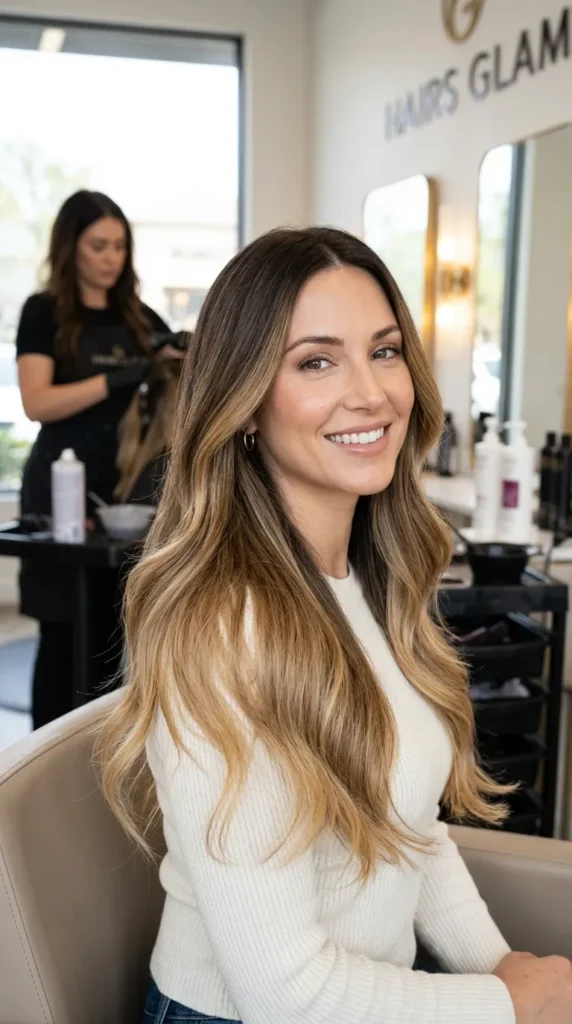
Finding a colorist experienced specifically with ombre blending technique matters significantly, since a smooth gradient requires genuine skill to avoid harsh, obvious lines. This is genuinely a first step worth trying before considering anything more dramatic.
Look for colorists who show ombre transformations in their portfolio specifically, since this technique demands real precision in both lightening and blending. It complements nearly every face shape when executed thoughtfully by a professional.
Making Ombre Hair Color Work For You
Ombre hair color is a genuinely striking, dimensional technique for people wanting a deliberate gradient rather than an all over color change. The tone combination and placement can be adapted for almost any hair type, length, and skin tone when done thoughtfully by an experienced colorist. The maintenance is generally more forgiving than other highlighting techniques, since the gradient grows out relatively gracefully over time.
Ombre is a bold, graphic statement. It tells people you appreciate deliberate, dimensional color rather than a single flat tone throughout your hair. Choose a skilled colorist, communicate clearly about your desired tone combination, and enjoy the undeniable dimension of a genuinely well done ombre color every single time.