20 Beach Waves Hairstyles You’ll Love
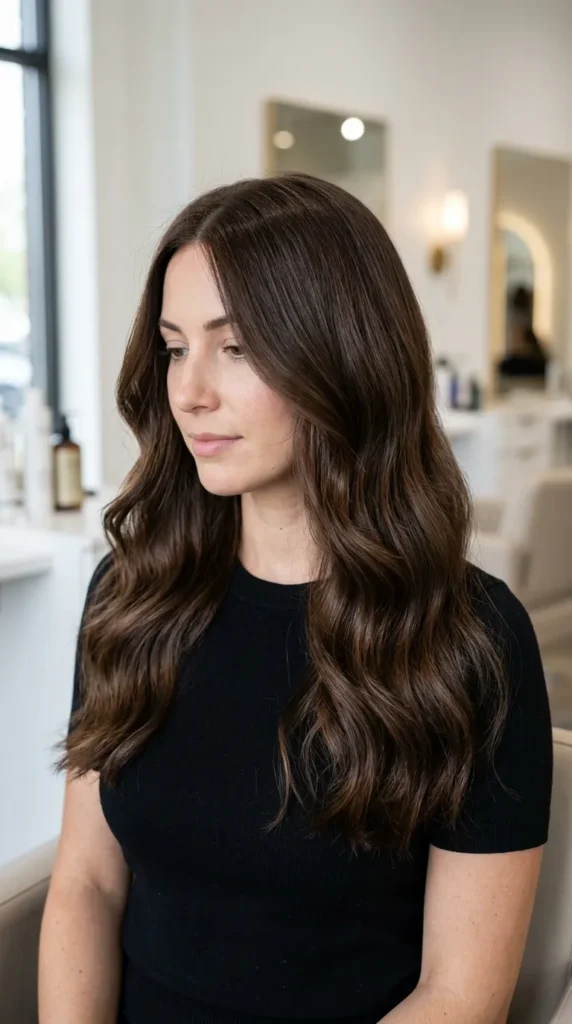
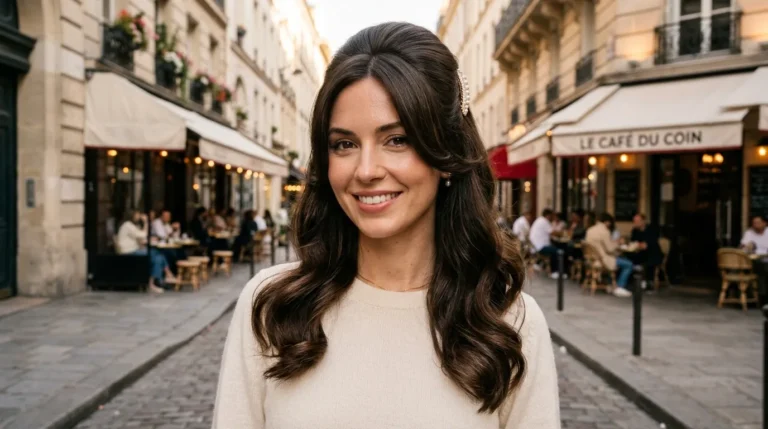
Beach waves might be the most requested hairstyle that people also consistently get wrong. The look is supposed to feel effortless, like you just stepped off a beach somewhere warm, but achieving that effortless texture actually takes understanding technique, tools, and what your specific hair needs. A good beach wave has movement, texture, and a slightly undone quality without looking frizzy or overworked. A bad attempt can look either too perfect and stiff or completely shapeless. The difference comes down to knowing your hair type, the right tools, and how much product is too much. These twenty beach waves approaches walk through different ways to get the look, whether you have fine or thick hair, whether you prefer heat styling or heat free methods, and whether you want subtle texture or dramatic, full bodied waves. Let me walk you through how to get beach waves that actually flatter you.
1. Classic Beach Waves with a Curling Wand
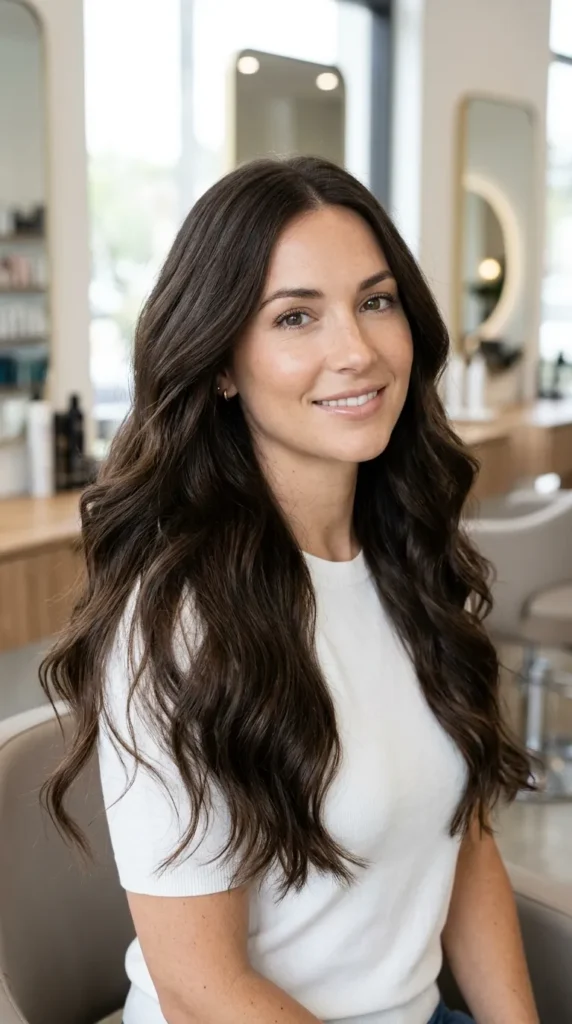
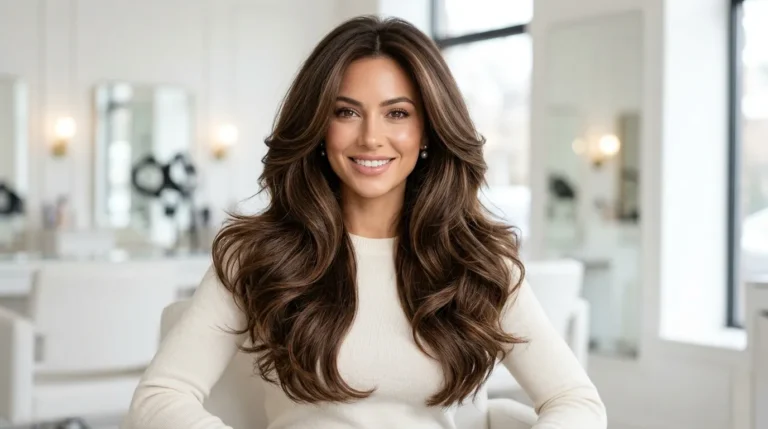
Classic beach waves created with a curling wand rather than a traditional curling iron. The wand creates loose, open curls that fall into natural looking waves once brushed through gently with fingers. This is the technique most people picture first when they think beach waves.
Wrap alternating sections away from your face for a more natural, less uniform finish. Let the curls cool completely before running fingers through them to loosen the shape into soft waves.
2. Salt Spray Beach Waves for Natural Texture
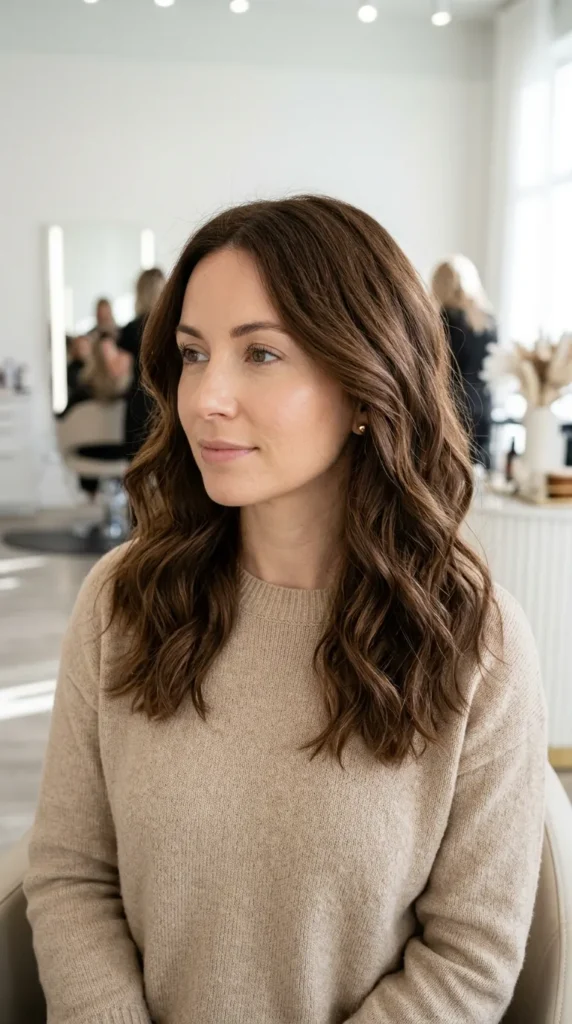
Beach waves created primarily with a texturizing salt spray rather than heat styling. The spray adds grit and texture to hair that already has some natural wave or bend, enhancing what is already there rather than creating new shape.
Apply salt spray to damp hair and scrunch upward from the ends toward the roots, then allow hair to air dry or use a diffuser for faster results.
3. Beach Waves on Fine Hair for Added Body
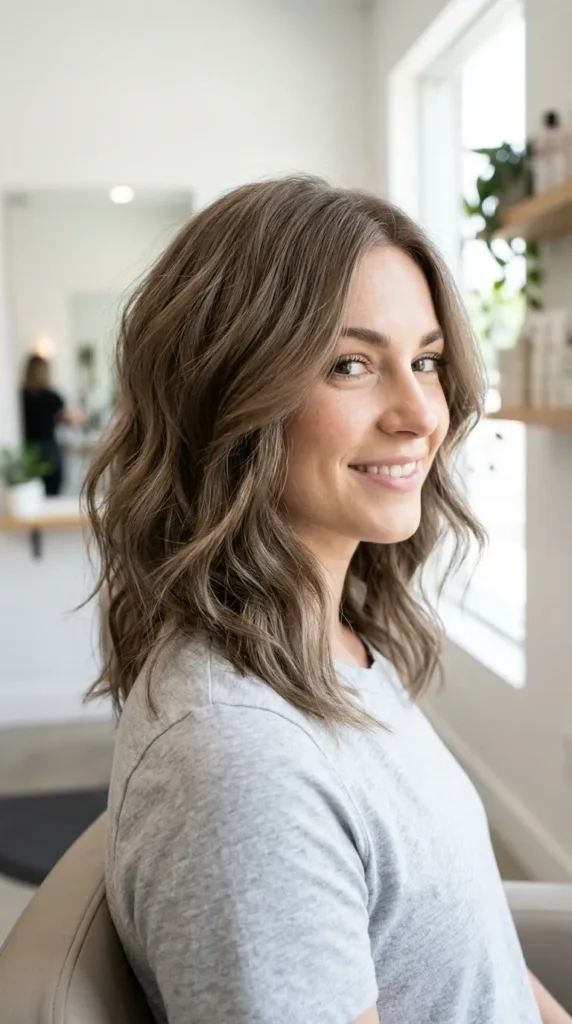
Beach waves specifically created to add volume and body to fine hair. The wave pattern breaks up flatness and creates the appearance of thicker, fuller hair without any additional length or extensions.
Fine hair holds beach waves better when a lightweight volumizing mousse is applied to the roots before styling, giving the waves something to grip onto.
4. Beach Waves on Thick Hair for Manageable Texture
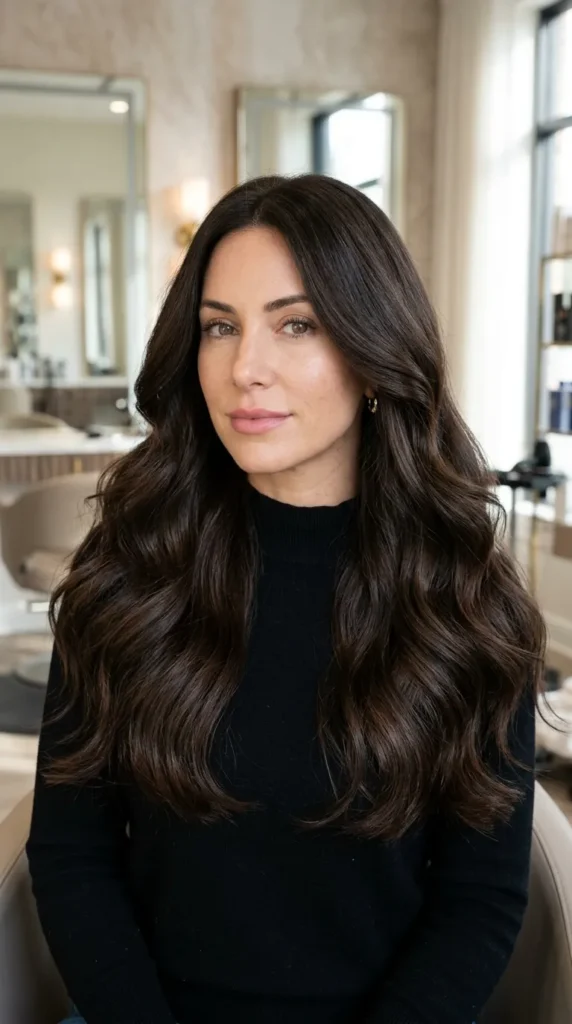
Beach waves applied to thick, dense hair, where the goal shifts from adding volume to creating manageable, defined texture throughout a large amount of hair. The waves help break up heaviness and add movement.
Thick hair benefits from being sectioned into smaller pieces before curling, since larger sections often fail to hold the wave pattern all the way through.
5. Overnight Beach Waves with Braids
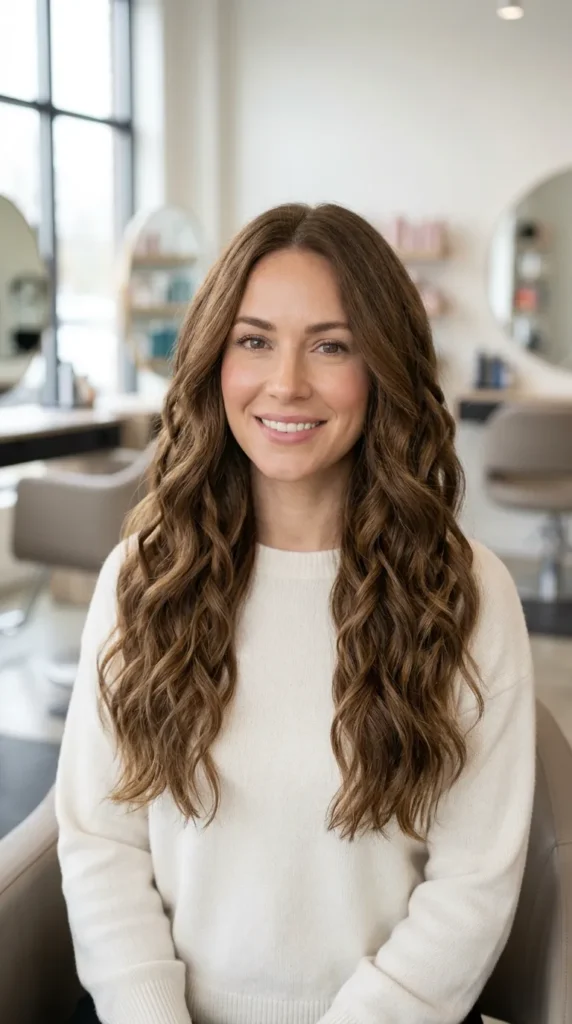
Beach waves created heat free by braiding damp hair before bed and sleeping on it overnight. In the morning the braids are undone, leaving behind a natural, slightly crimped wave pattern.
Two loose braids created on damp hair before sleeping typically produce the most even, natural looking wave pattern by morning.
6. Beach Waves with a Flat Iron
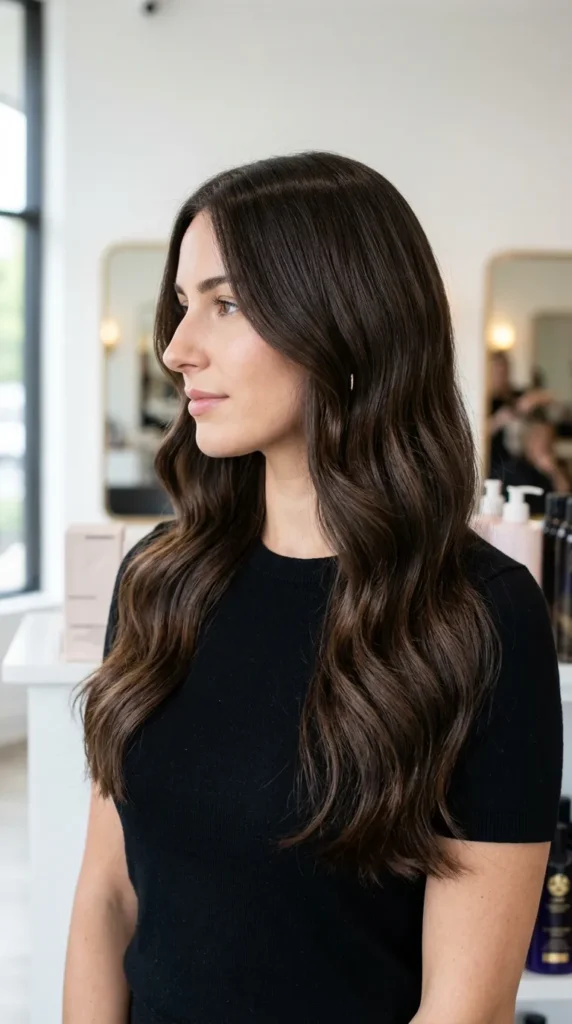
Beach waves created using a flat iron rather than a curling tool. The technique involves twisting sections while running the flat iron down the length, producing a slightly more textured, undone wave pattern than a curling wand.
A flat iron works best for beach waves when small sections are twisted once or twice before the iron passes through, creating natural, irregular bends.
7. Beach Waves for Short Hair
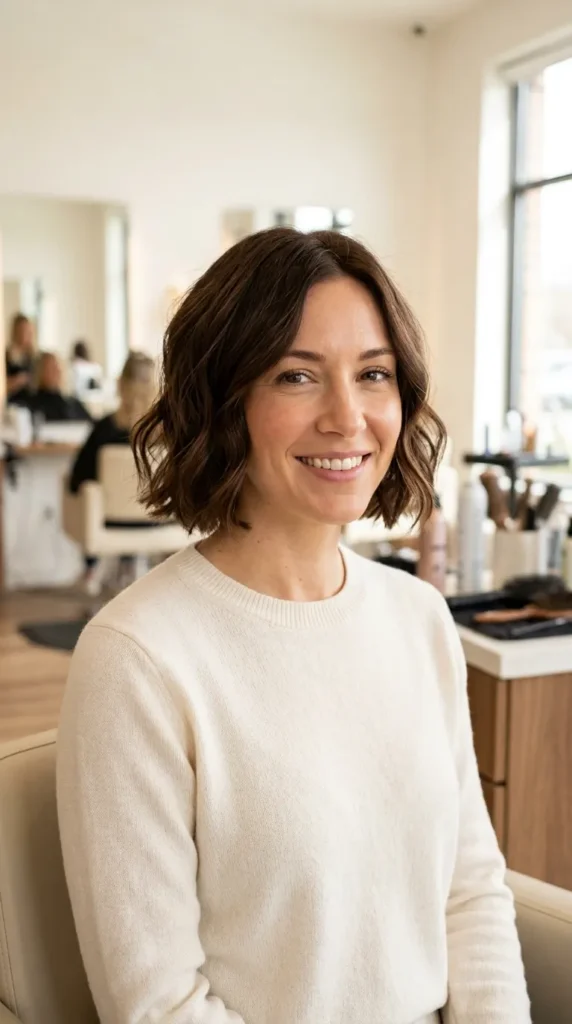
Beach waves adapted specifically for short hair, where there is less length to work with but the wave pattern can still create noticeable texture and movement, especially around the face and ends.
Short hair holds beach waves well when a small barrel curling wand is used, since a smaller barrel creates tighter waves that read clearly even on shorter lengths.
8. Beach Waves for Long Hair
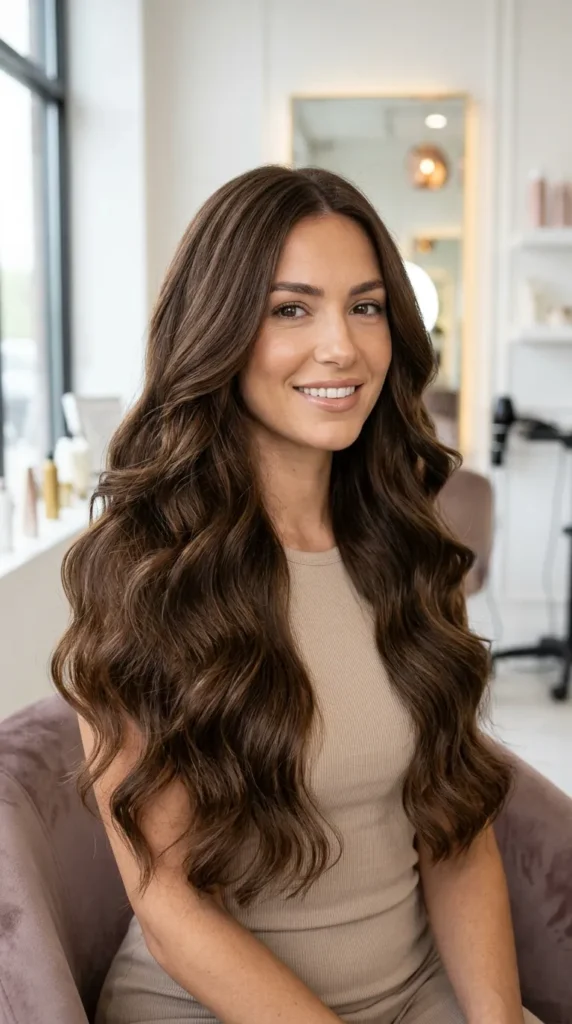
Beach waves created on long hair, where there is plenty of length for the wave pattern to travel and move throughout the day. Long hair often shows off the full range of the wave from root to end.
Long hair beach waves benefit from curling in a slightly zigzag pattern, alternating the direction of each section for a wave that looks more natural and less uniform.
9. Beach Waves with a Center Part
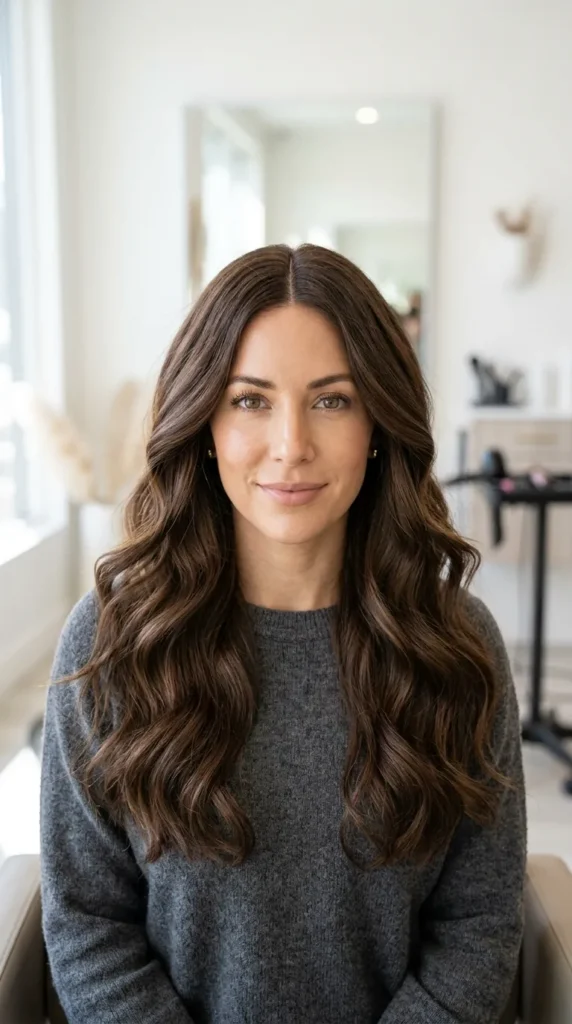
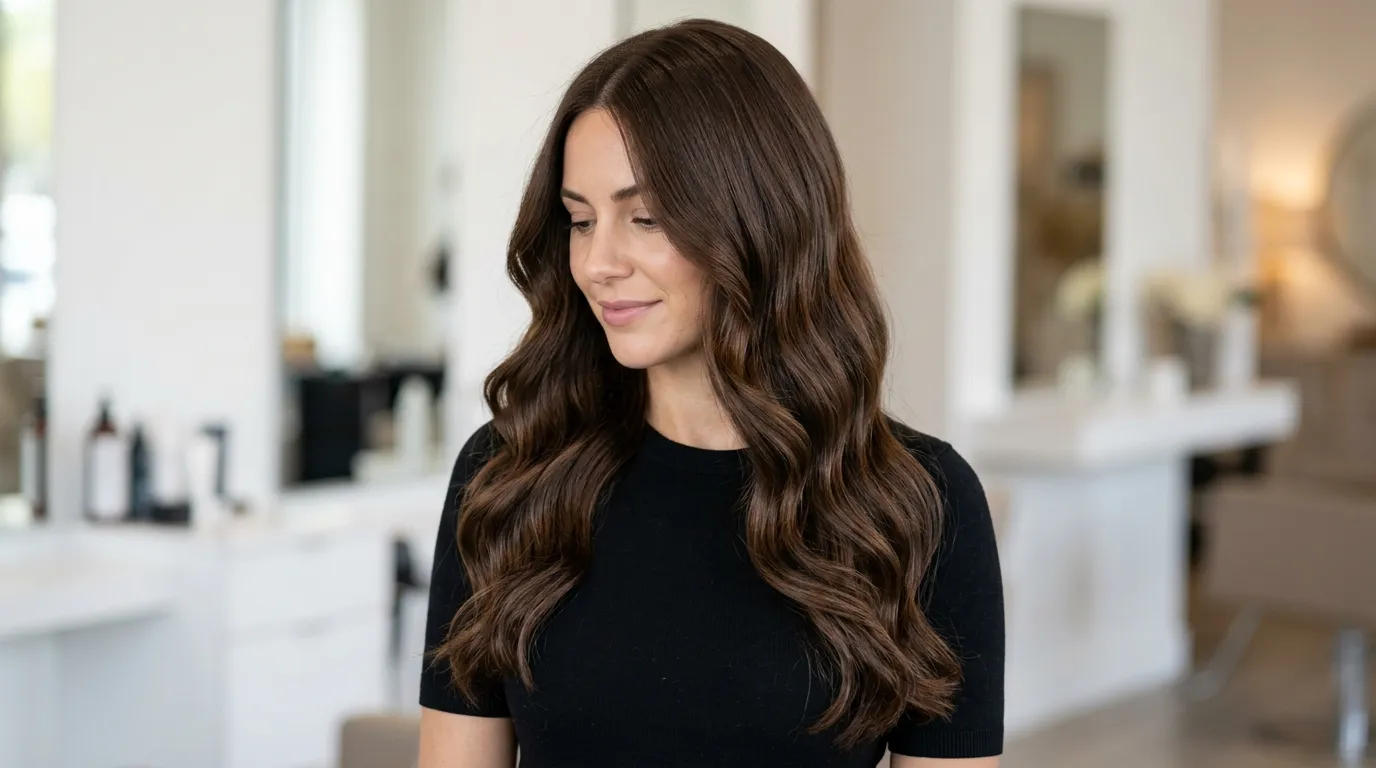
Beach waves styled with a clean center part rather than a side part. This combination feels effortless and slightly retro, letting the waves fall evenly on both sides of the face.
A center part paired with beach waves looks most balanced when both sides are curled in the same direction, framing the face symmetrically.
10. Beach Waves with a Deep Side Part
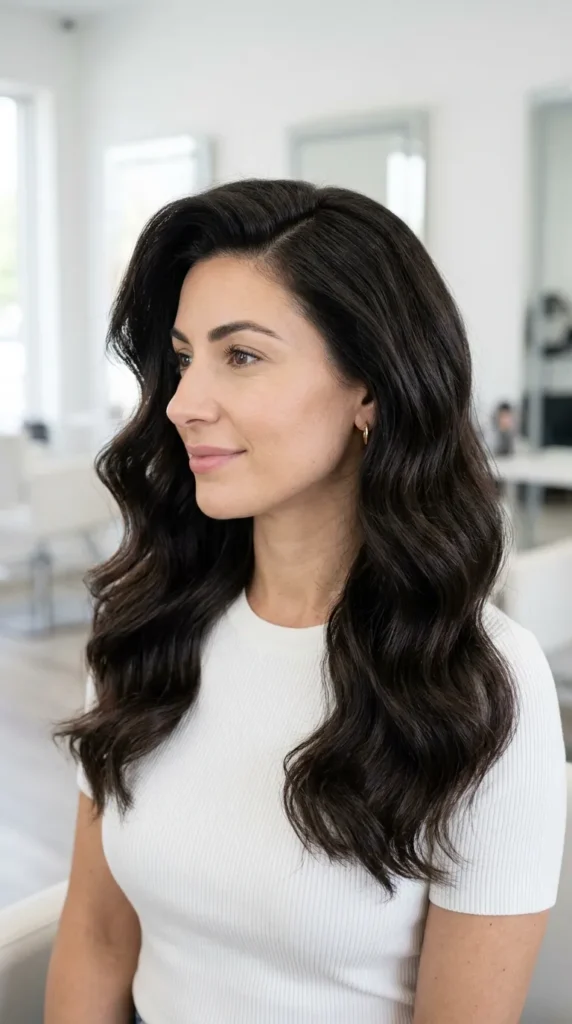
Beach waves paired with a deep side part, creating more volume and drama on one side of the head. This combination adds a slightly more polished, styled feeling to the otherwise relaxed wave pattern.
A deep side part works particularly well with beach waves when the heavier side is curled with slightly larger sections to enhance the volume.
11. Second Day Beach Waves
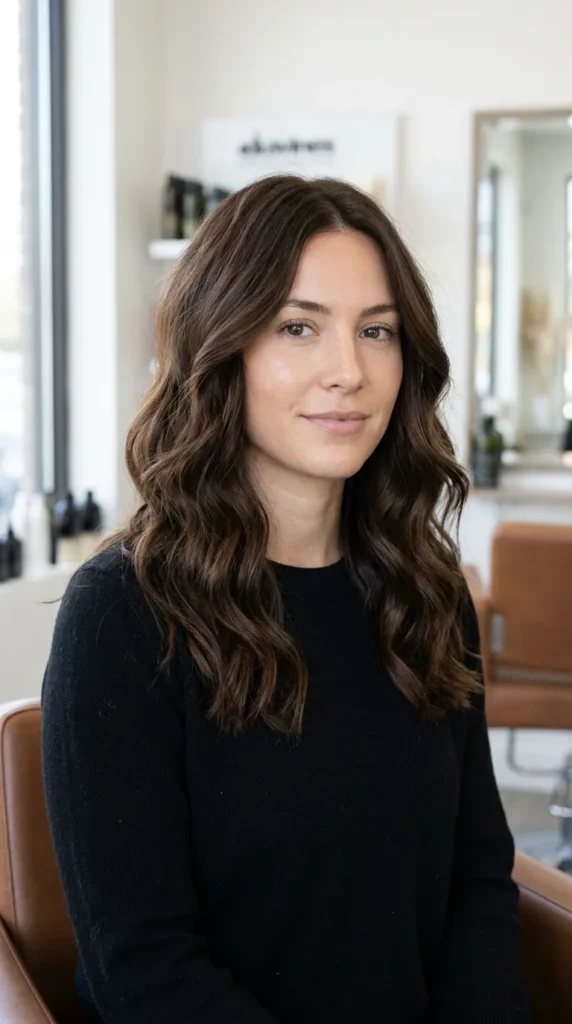
Beach waves refreshed on second day hair rather than freshly washed strands. The natural oils that build up overnight actually help the waves hold their shape longer and look slightly more relaxed and lived in.
Second day beach waves often need only a light misting of texturizing spray and a quick scrunch to refresh the pattern rather than a full restyle.
12. Beach Waves for Curly Hair
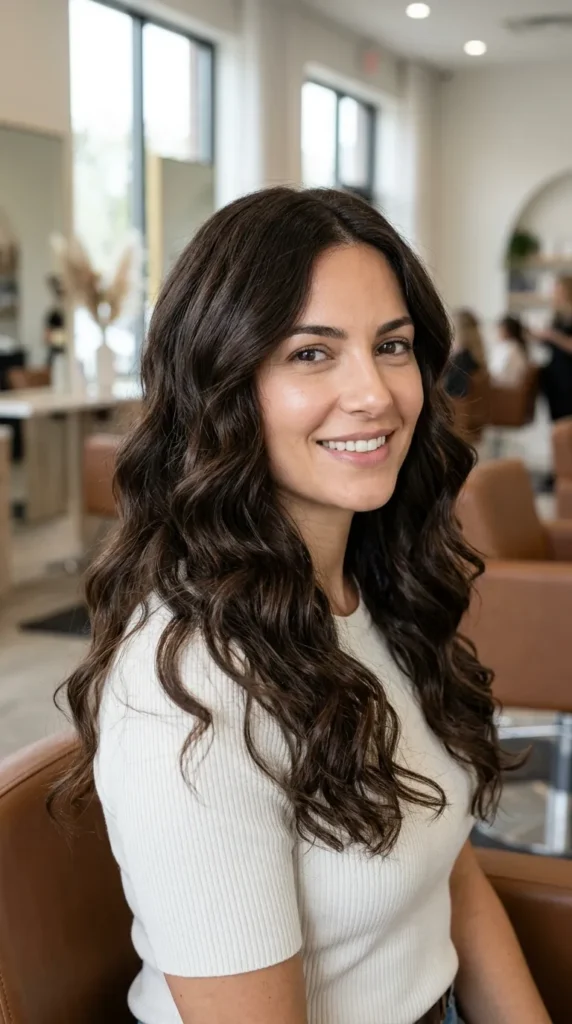
Beach waves created on naturally curly hair by loosening and elongating the existing curl pattern rather than adding an entirely new texture. The result blends seamlessly with natural texture.
Curly hair achieves a beach wave look most easily by stretching curls gently with a diffuser on low heat rather than fully straightening and recurling.
13. Beach Waves for Straight Hair

Beach waves created entirely on naturally straight hair, where the wave pattern must be built completely from styling tools or products since there is no natural bend to enhance.
Naturally straight hair holds beach waves longer when a texturizing spray is applied before curling, giving the strands enough grip to hold the shape.
14. Beach Waves with Face Framing Emphasis
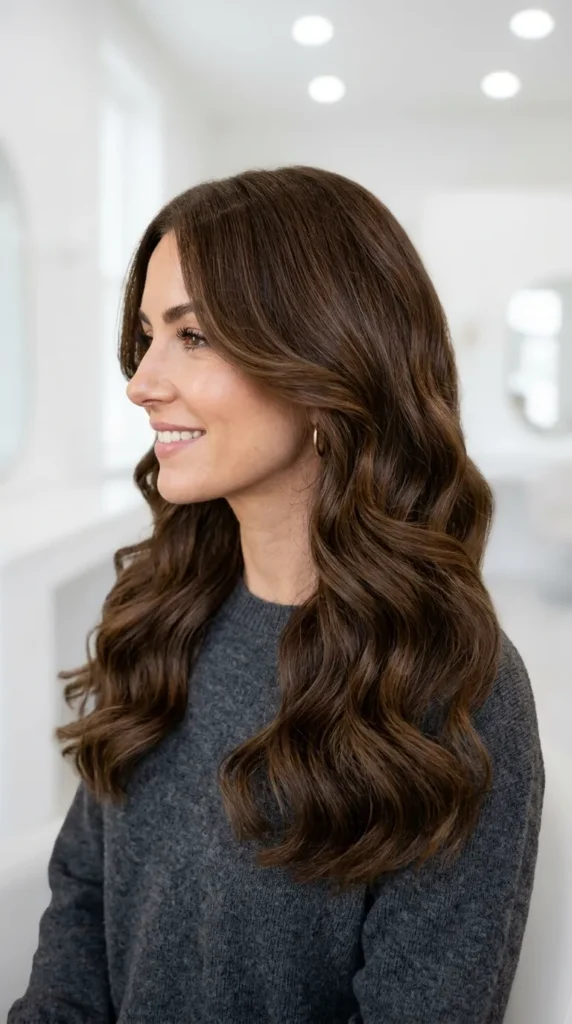
Beach waves with extra attention paid to the pieces framing the face, curling those sections slightly more defined than the rest of the hair to draw attention to the eyes and cheekbones.
Face framing pieces hold their shape longer when curled last, after the rest of the hair has already cooled and set.
15. Undone Beach Waves for Maximum Texture
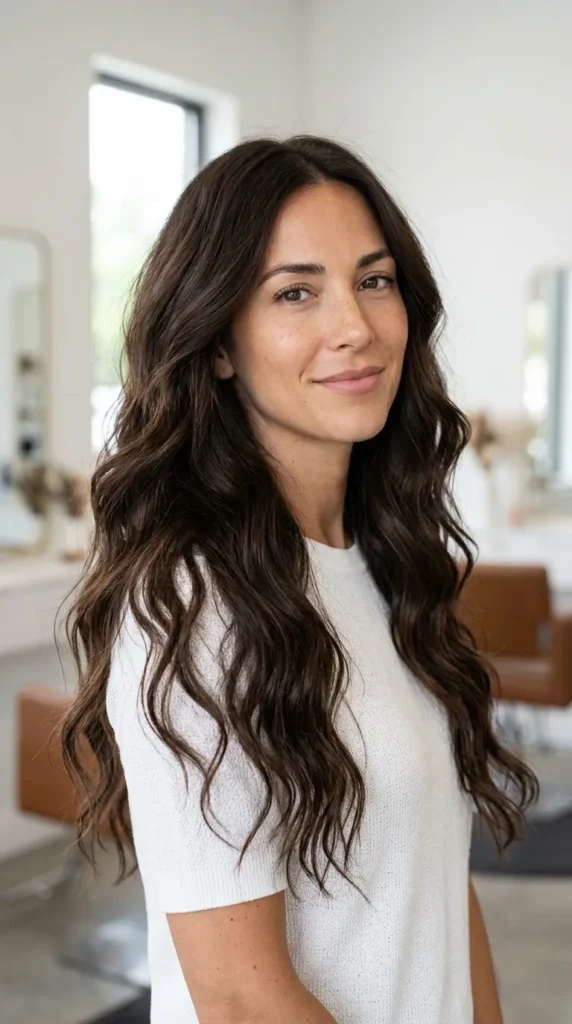
Beach waves styled to look as undone and textured as possible, brushing through the curls thoroughly with fingers rather than a brush to break up any uniform curl shape into loose, irregular waves.
Running fingers through warm curls immediately after styling, rather than waiting for them to fully cool, creates a looser, more undone wave pattern.
16. Defined Beach Waves for a Polished Finish
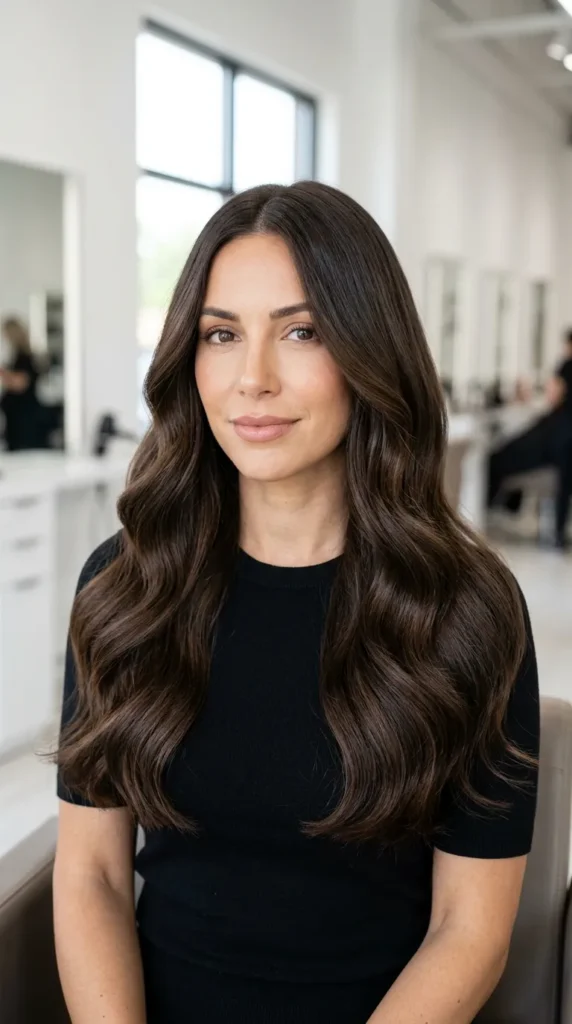
Beach waves styled with slightly more defined, uniform curl shape rather than a fully undone finish. This version feels a bit more polished while still keeping the relaxed, beachy quality of the style.
Defined beach waves hold their shape best when each curl is pinned briefly against the scalp to cool before being released.
17. Beach Waves with Volumizing Root Lift
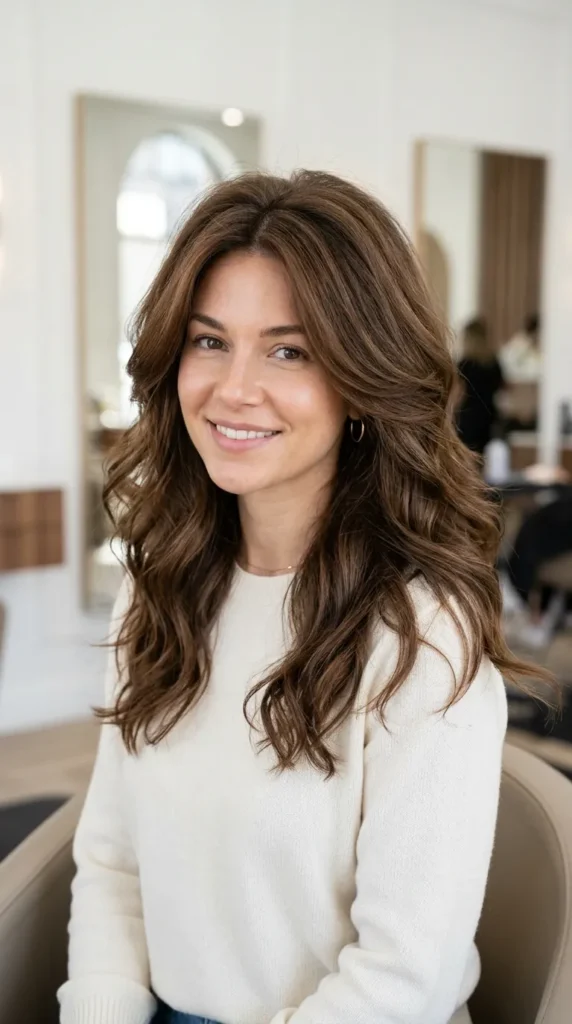
Beach waves paired with intentional lift and volume at the roots, created either with a round brush during blow drying or with a volumizing product applied before curling.
Root lift paired with beach waves creates a fuller overall silhouette, especially helpful for hair that tends to fall flat at the crown.
18. Beach Waves for Special Occasions
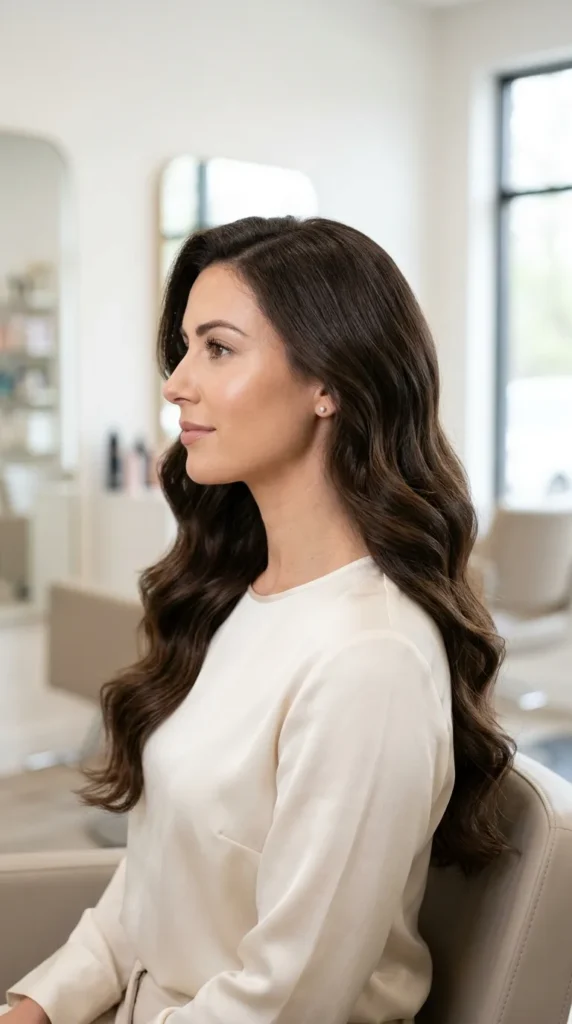
A slightly more elevated version of beach waves, incorporating shine spray, a bit more definition in the curls, and careful attention to symmetry, making the style polished enough for a dressier event while keeping its relaxed spirit.
Special occasion beach waves benefit from a light shine spray applied after curling, adding polish without weighing down the texture.
19. Beach Waves Maintenance Throughout the Day
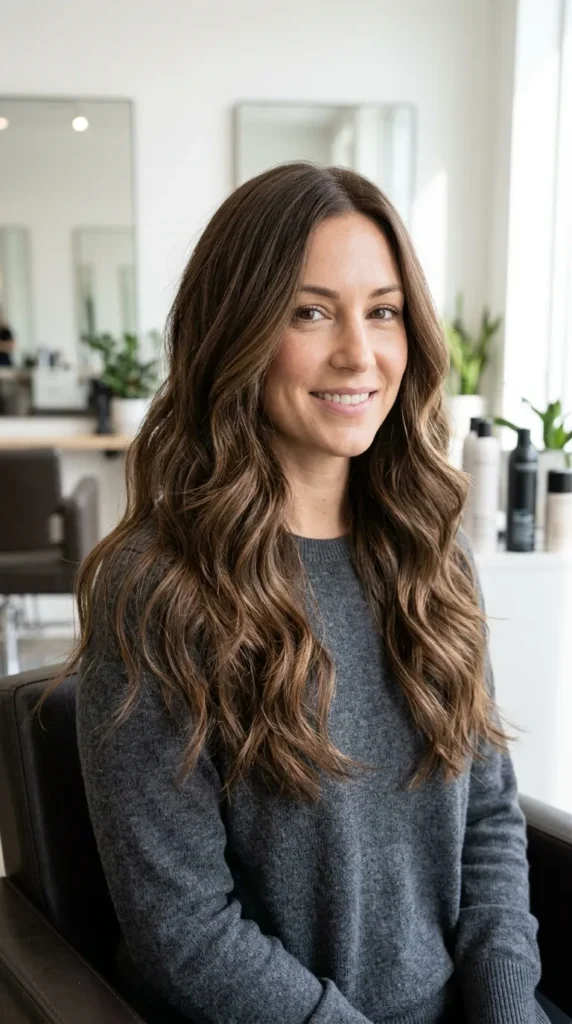
Understanding the small adjustments that keep beach waves looking fresh from morning through evening, including a travel size texturizing spray and a quick finger scrunch to revive any curls that begin to fall flat.
Carrying a small texturizing spray throughout the day makes it easy to refresh beach waves without needing to restyle from scratch.
20. Finding Your Beach Waves Routine
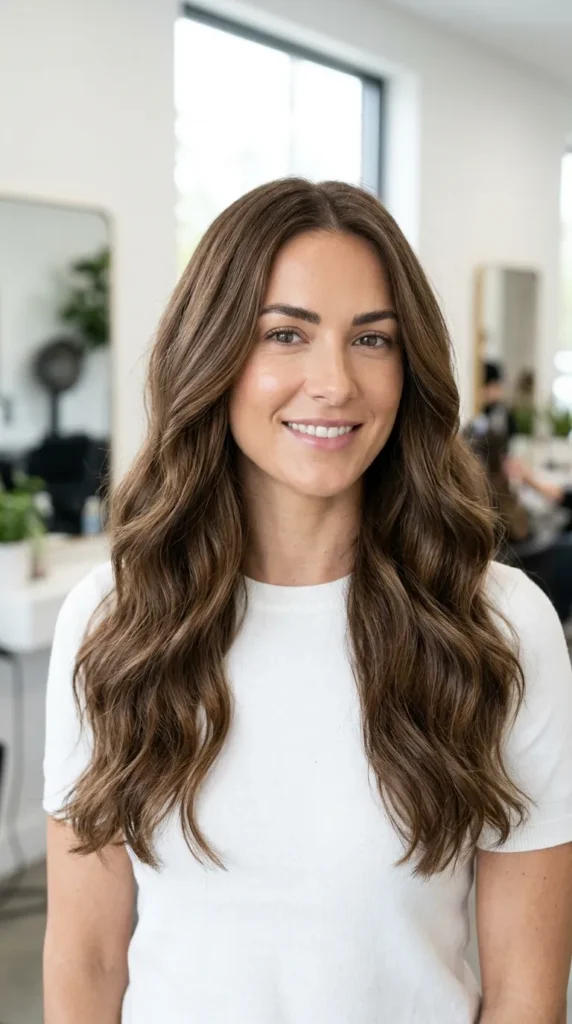
The importance of experimenting with different tools and products to find the beach wave method that actually works for your specific hair type, texture, and length, since not every technique produces the same result on every head of hair.
Testing a few different methods, from wands to braids to salt sprays, helps you discover which beach wave technique holds best and looks most natural on your own hair.
Getting Beach Waves Right
Beach waves are genuinely one of the most versatile styles available, adapting easily to nearly any hair length, texture, and occasion once the right technique is found. The finish can range from barely there texture to full, defined waves depending entirely on your preference and the tools you reach for. Maintenance throughout the day is usually simple, often needing nothing more than a texturizing spray and a quick scrunch to keep the shape alive.
Beach waves are a relaxed, confident statement. They tell people you understand effortless styling rather than needing hours in front of a mirror to look put together. That is what genuinely well done beach waves communicate.
Choose the technique that suits your hair type and texture. Keep a texturizing product on hand to refresh the waves throughout the day. Be prepared to let some pieces fall loose rather than curling everything into a uniform shape. Then enjoy the relaxed, endlessly wearable charm of truly well done beach waves.
Beach waves are not about looking overstyled. For anyone wanting a flattering, easy look that still feels intentional, this style delivers every single time.