22 Face Framing Highlights Ideas That Capture Instant Brightness
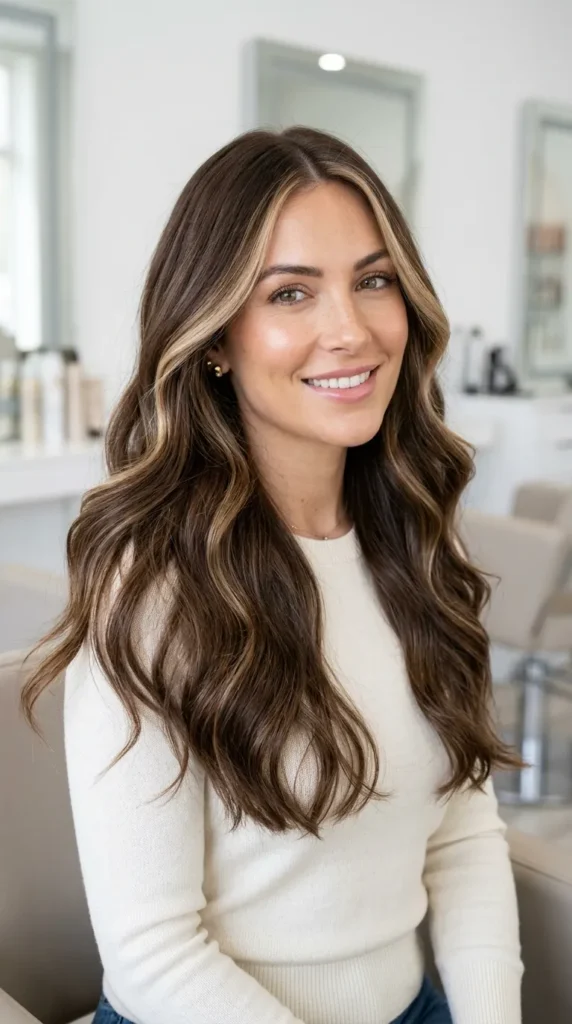
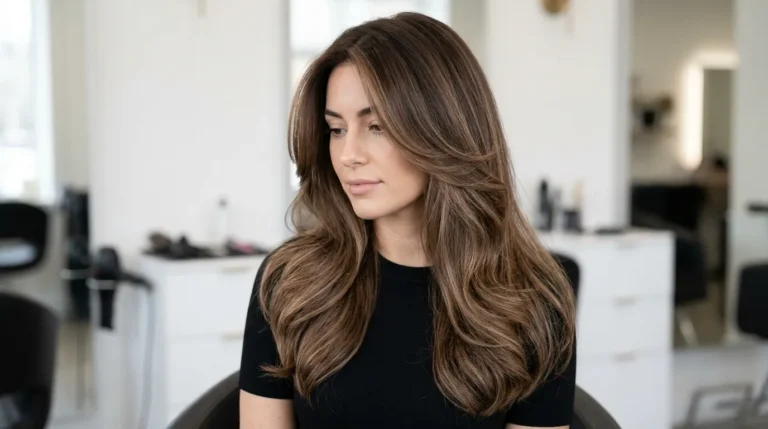
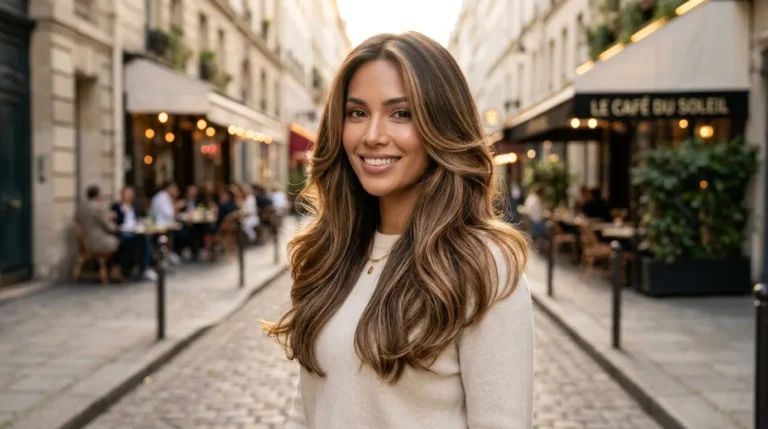
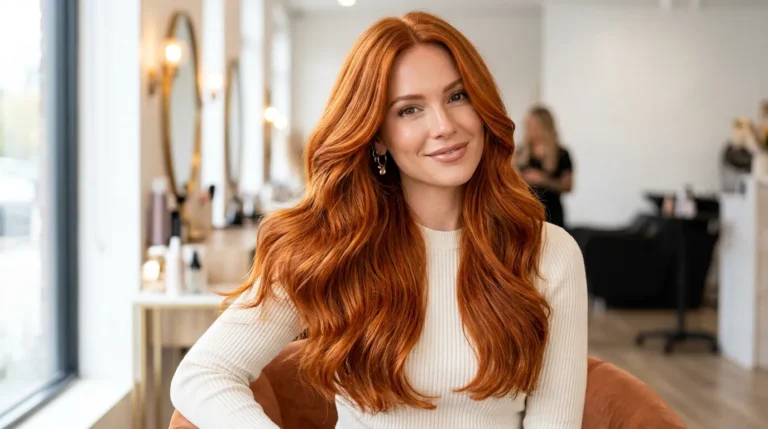
Face framing highlights are one of the most effective ways to brighten your entire look without committing to a full color change. The technique focuses lightened pieces specifically around the hairline, drawing attention to your eyes, cheekbones, and jawline. A well placed set of face framing highlights can make the whole complexion look fresher, more awake, and more youthful without touching the rest of your natural or colored base.
The real skill lies in placement and contrast. Too subtle and the effect disappears into the rest of the hair. Too bold and it can look disconnected from your overall color story. These twenty two approaches walk through different ways to wear face framing highlights, covering hair type, base color, face shape, and personal style so you can find the exact version that genuinely works for your features and your lifestyle. Whether you are fully committed to a bold transformation or simply curious about a low maintenance way to brighten your complexion, there is an approach here suited to exactly where you are.
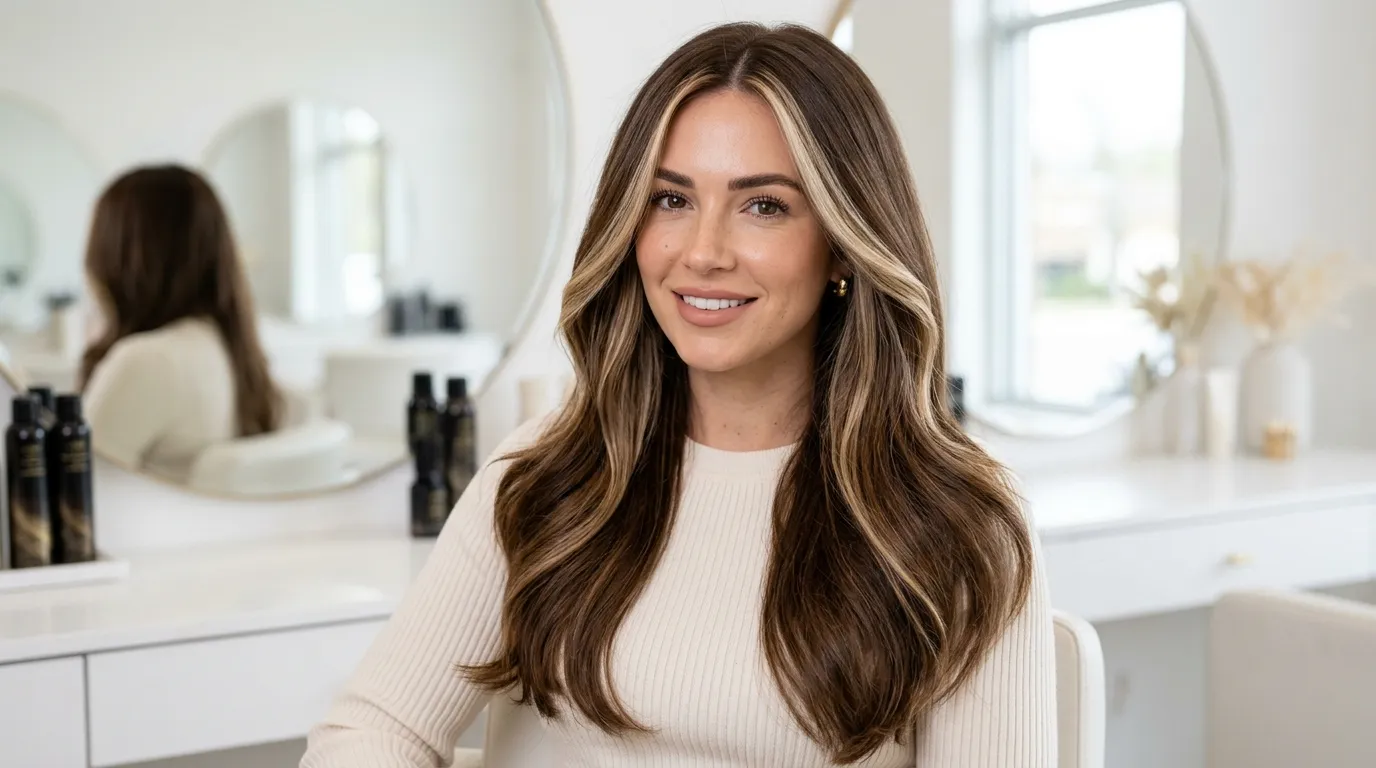
1. The Classic Face Framing Highlight
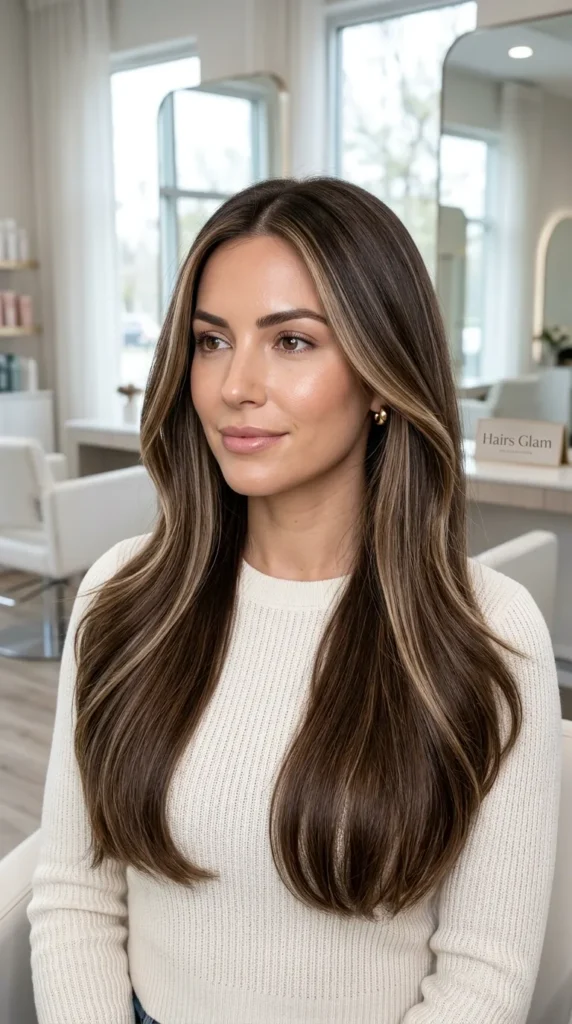
The foundation of the technique involves two symmetrical pieces of lightened hair placed right at the hairline on either side of the face. These pieces run from the part down through the front sections, creating an even, balanced brightness on both sides that instantly lifts the whole complexion.
This classic approach suits nearly every hair length and texture, making it one of the most requested versions in salons. It works as a standalone highlight or as the starting point for a broader coloring pattern later on. Ask your colorist for symmetrical placement measured evenly from your natural part for the most balanced, believable result.
2. Subtle Face Framing Highlights for Soft Contrast
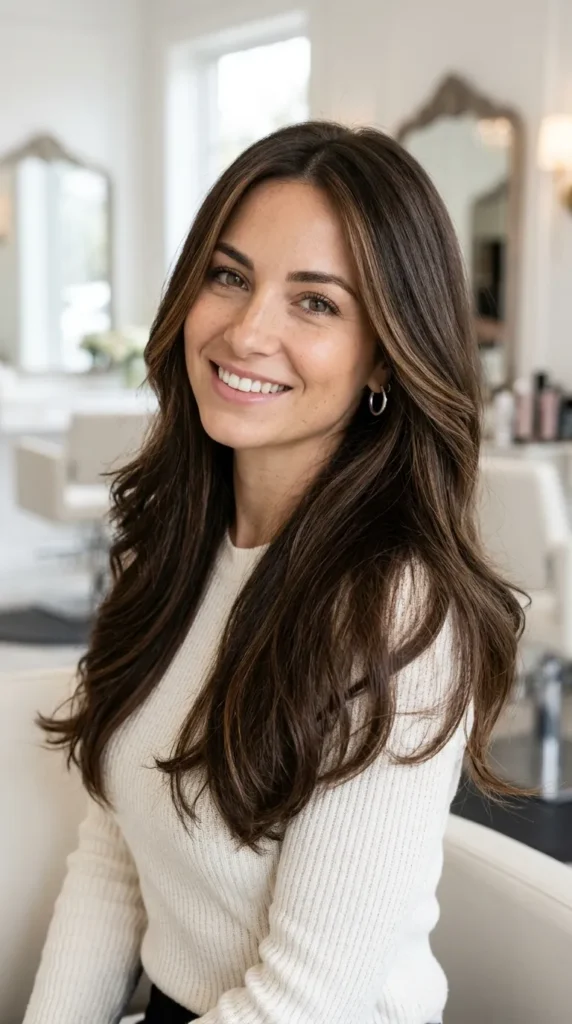
A gentler version of the technique uses pieces lightened only slightly beyond the natural base color. Rather than an obvious contrast, this creates a soft, barely noticeable glow that still brightens the face without drawing too much attention or requiring dramatic upkeep.
This approach suits people wanting the benefit of the technique without a dramatic shift in appearance or a big commitment. It blends easily into most base colors and requires less frequent maintenance overall. Keep the lightened pieces within two or three shades of your natural color for the softest, most seamless effect.
3. Bold Face Framing Highlights for Maximum Contrast
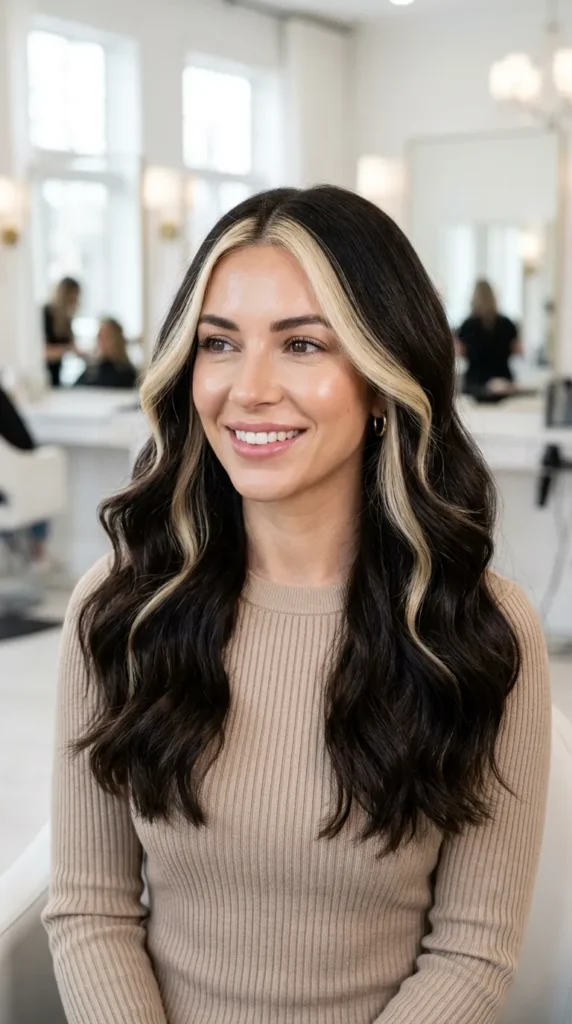
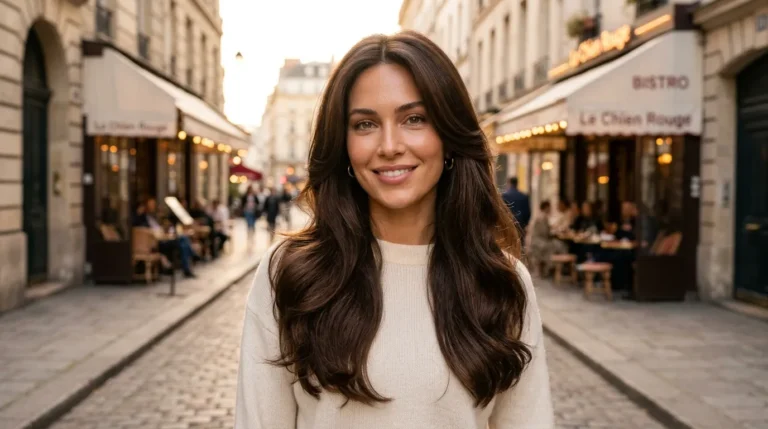
A dramatic version of the technique uses a significantly lighter tone against a darker base, creating unmistakable, high contrast framing around the face. This approach makes a genuine statement and photographs beautifully in natural daylight and studio lighting alike.
Bold contrast works especially well against deep brunette or black hair, where the brightness reads clearly from any distance across a room. This version requires careful lightening technique to avoid brassiness developing over time. Regular toning treatments help maintain the crisp, bright finish long after the initial appointment.
4. Face Framing Highlights on Long Hair
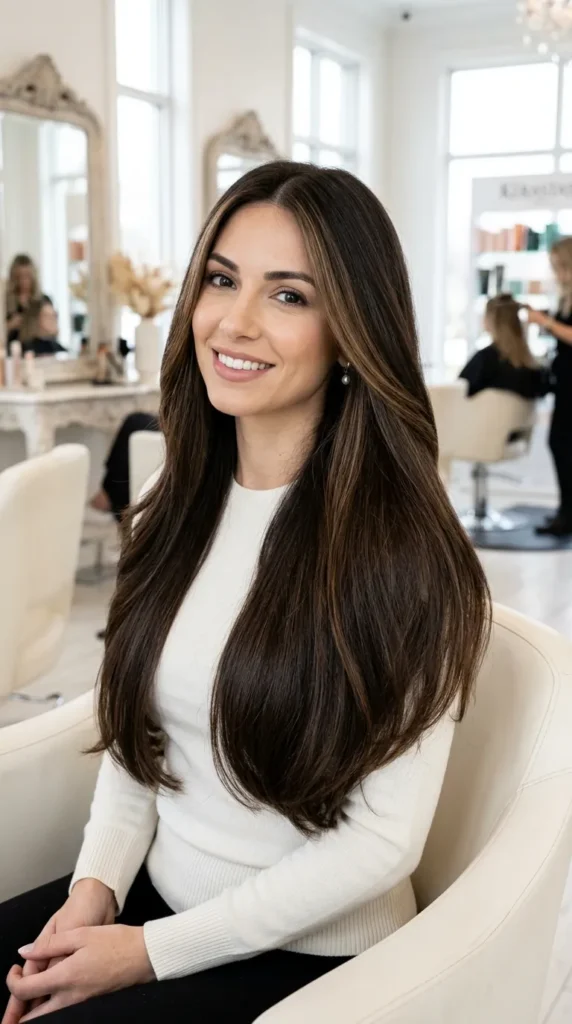
Applied through longer length, face framing highlights have more room to travel and move throughout the day. The extended length lets the brightness catch light differently depending on how the hair falls, swings, or gets pulled back into a style.
Long hair versions of this technique often taper gradually, becoming more pronounced toward the ends rather than starting harshly at the root. This creates a sunlit, natural looking effect instead of a harsh demarcation line. A slight taper in the lightening keeps the transition looking soft, gradual, and genuinely believable.
5. Face Framing Highlights on Medium Length Hair
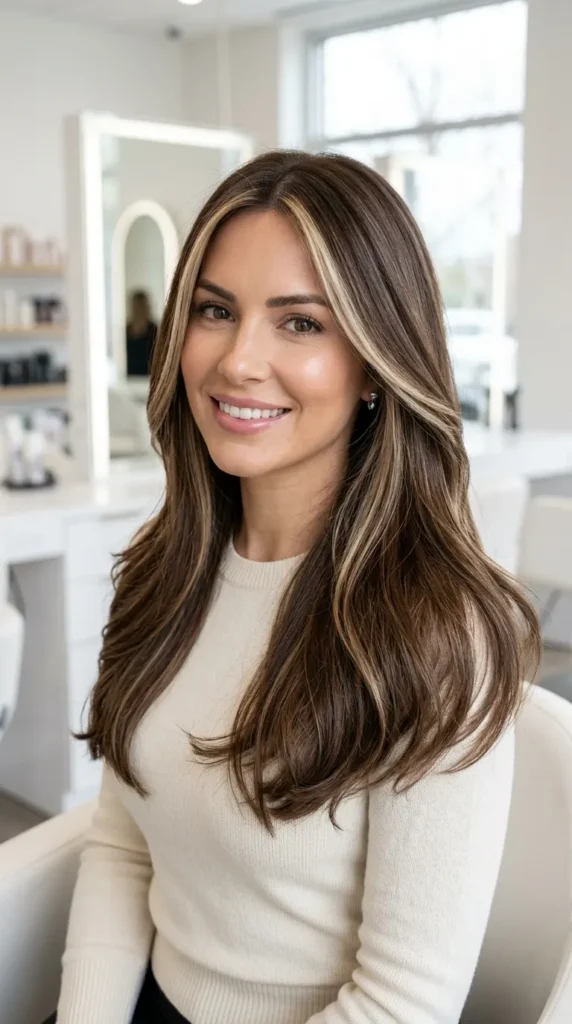
On shoulder length hair, face framing highlights read clearly and immediately since there is less overall length to dilute the effect. Every part of the highlighted section remains visible day to day, making precise placement especially important at this particular length.
Medium length hair shows off the technique with less styling effort required to reveal it. The shorter distance from root to end keeps the highlight looking fresh longer between necessary touch ups. Precise, even placement matters more here since any small imperfections become much harder to hide or disguise.
6. Face Framing Highlights on Short Hair
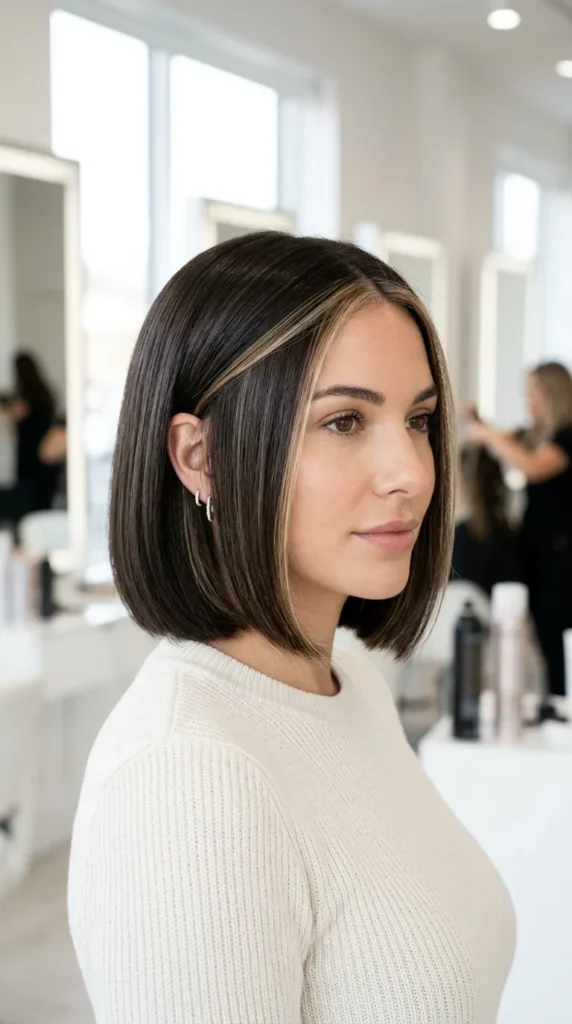
Adapted for shorter hair, this technique concentrates the lightened pieces closer to the face where they show most prominently against a compact silhouette. Even a small section of brightness creates a genuinely noticeable, brightening effect against shorter overall lengths.
Short hair versions require less overall product and time to maintain compared to longer applications. The compact placement keeps the highlight looking neat and intentional rather than diffuse or scattered. A colorist should keep the pieces thin and precise, since wider sections can easily overwhelm shorter, more structured styles.
7. Face Framing Highlights with Caramel Warmth
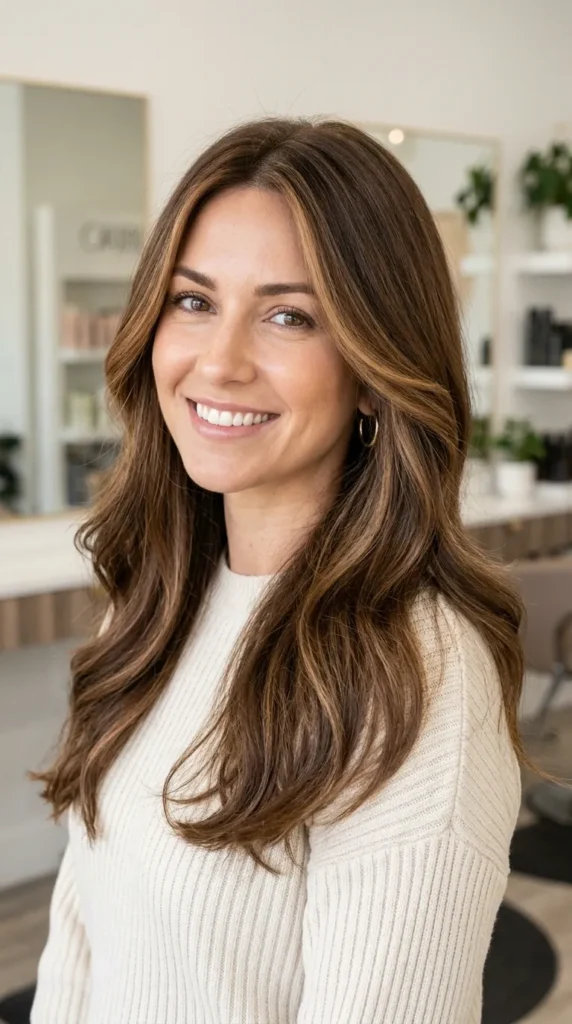
Using warm caramel tones rather than cool blonde creates a golden, sun kissed glow around the face that feels lived in. This softer alternative to bright blonde feels natural rather than starkly contrasted against most brunette or medium brown bases.
Caramel toned framing blends seamlessly into warm skin undertones and naturally warm hair colors already present. The transition between base and highlight looks smooth and gradual rather than abrupt or jarring. This combination works particularly well for anyone wanting genuine warmth without obvious, high maintenance lightening throughout.
8. Face Framing Highlights with Cool Blonde Tones
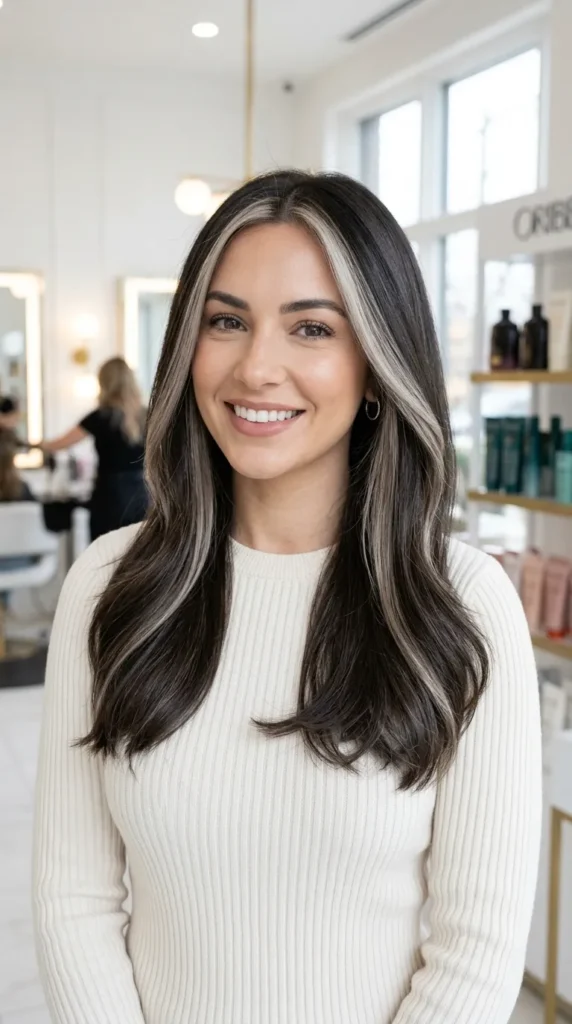
A cooler, ash toned version of face framing highlights suits people with cool skin undertones and creates a crisp, bright finish overall. This approach avoids warmth entirely, favoring a clean, almost icy brightness concentrated around the face.
Cool toned highlights require regular purple or blue toning treatments to prevent unwanted warmth from developing over time. Without consistent maintenance, cool tones can shift toward brassy fairly quickly after coloring. A dedicated toning shampoo used weekly helps preserve the crisp, cool cast between necessary salon visits.
9. Face Framing Highlights on Curly Hair
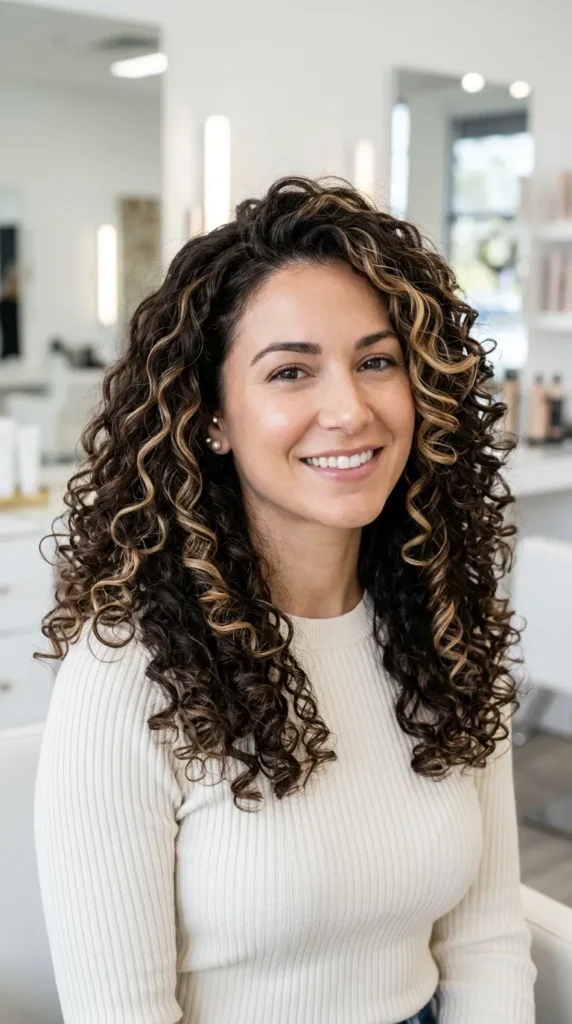
Placed along the natural fall of curls, face framing highlights on textured hair often look even more dimensional than they do on straight hair. The curl pattern catches light from multiple angles at once, amplifying the overall brightness of the technique.
Colorists should paint along individual curl clusters rather than straight vertical sections for the most natural, cohesive result. This method respects the way curls naturally separate, coil, and move throughout the day. The dimensional effect created by curls makes even subtle highlighting appear far more noticeable and alive.
10. Face Framing Highlights on Straight Hair
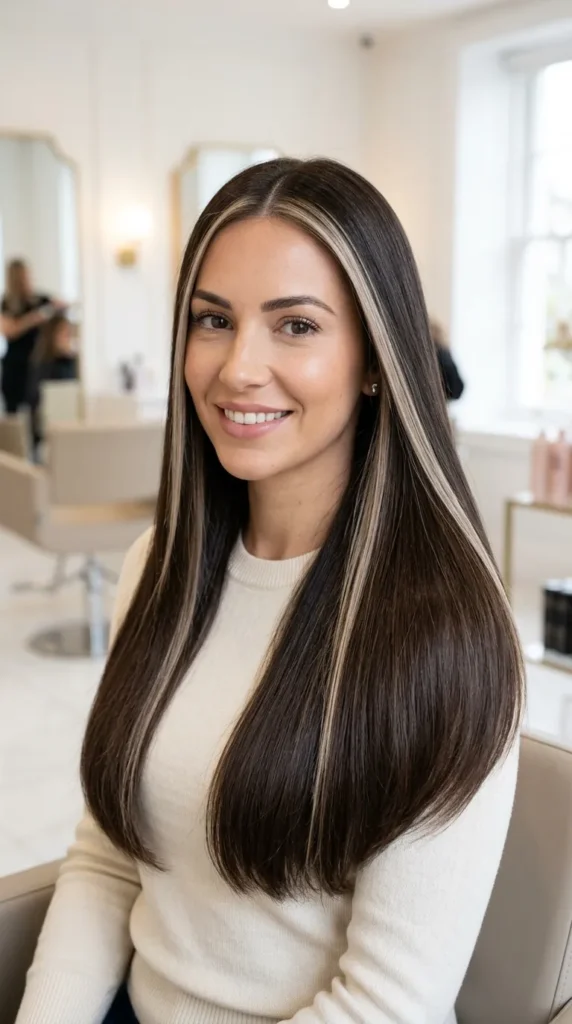
On sleek, straight hair, face framing highlights create clean, defined lines of brightness that remain visible even without much added movement. The technique reads clearly and precisely against the smooth, reflective surface of straight strands.
Straight hair shows off precise placement especially well, since there is no curl pattern available to soften or disguise the lines. Even, symmetrical application becomes particularly important in this context. A glossy finishing treatment enhances how the highlighted pieces catch and genuinely reflect light throughout the day.
11. Face Framing Highlights for Fine Hair
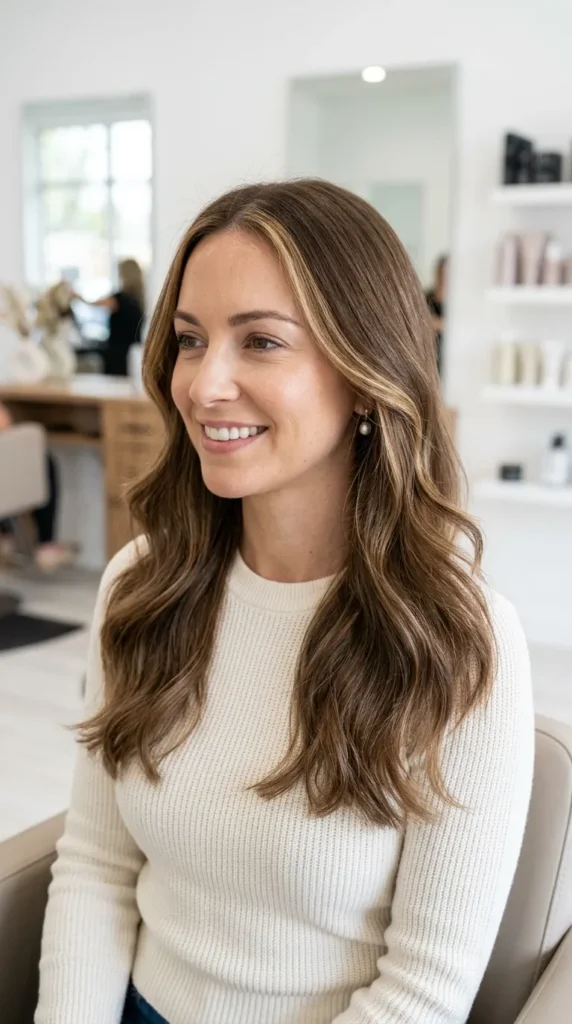
On fine hair, face framing highlights are placed thin and precise to avoid overwhelming naturally delicate strands. Since fine hair carries less visual weight overall, even a small, focused highlight creates a noticeably bright and flattering effect.
Wider sections can look heavy against fine hair, so restraint really matters here throughout the process. Thinner pieces blend more naturally and require less ongoing maintenance overall. A colorist experienced with fine hair will keep the lightened sections narrow and carefully placed close to the hairline.
12. Face Framing Highlights for Thick Hair
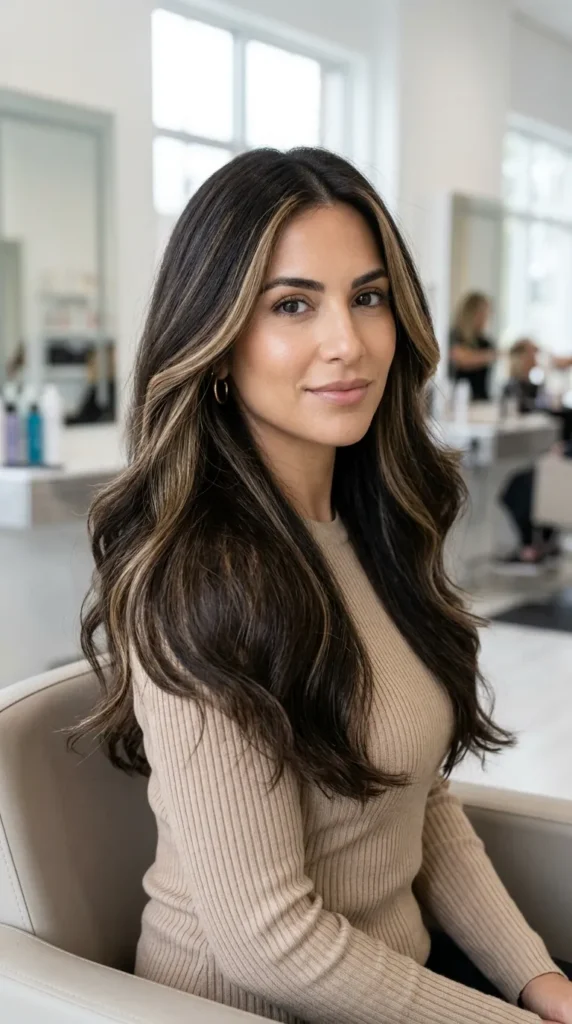
Thick hair can handle slightly wider highlighted sections without looking overdone, since the natural density already provides plenty of visual weight throughout. The highlights add focused brightness rather than contributing further to overall volume or bulk.
Thinner pieces can sometimes get lost within denser hair, so a bit more width often reads more clearly and confidently. This adjustment helps the technique genuinely stand out against thicker, heavier strands. Regular deep conditioning helps maintain healthy texture and shine around the lightened sections.
13. Asymmetrical Face Framing Highlights
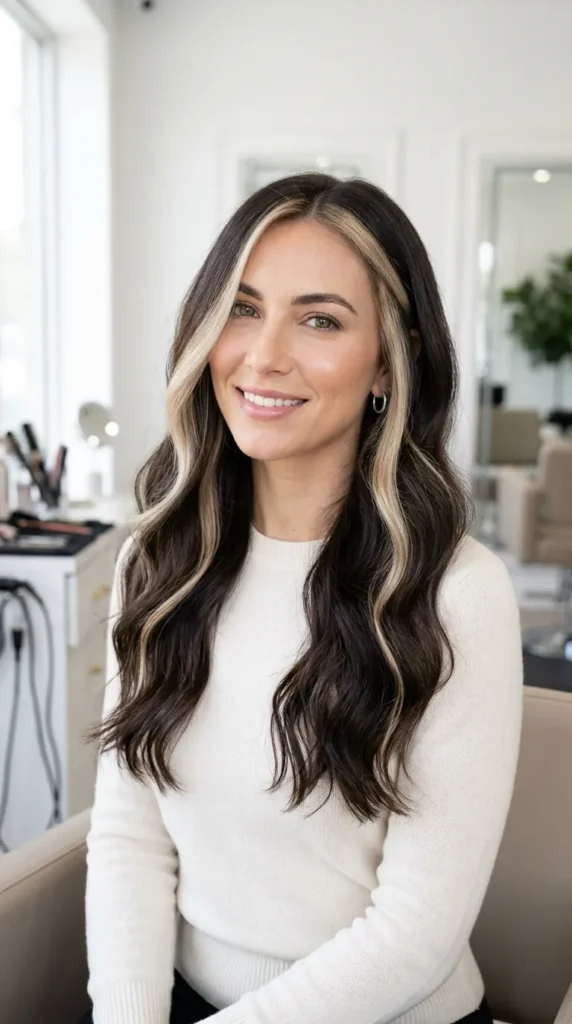
An intentional variation on the classic symmetrical approach, asymmetrical highlights place more brightness or width on one side of the face than the other. This creates a dynamic, slightly editorial looking result that feels modern and considered.
This approach suits people comfortable with a less traditional, more unique overall finish. The imbalance is a deliberate design choice rather than any kind of inconsistency or mistake. Discussing the desired degree of asymmetry with your colorist beforehand helps achieve a result that feels intentional rather than accidental.
14. Face Framing Highlights with Bangs
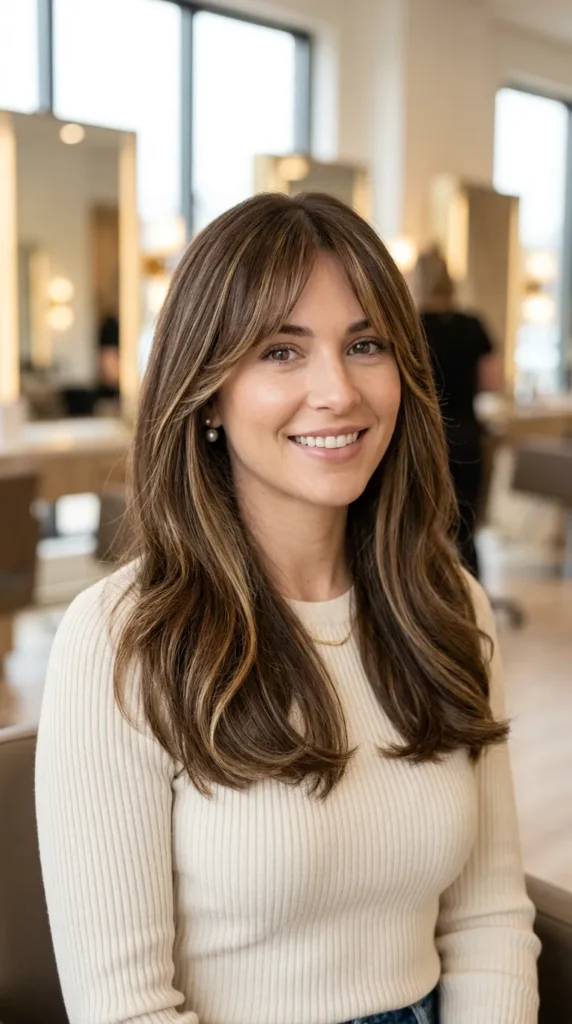
Paired with face framing or full bangs, this technique doubles down on drawing attention to the central part of the face. Both elements work together in tandem, creating a cohesive, fully considered overall look rather than two competing features.
Coordinating the highlight placement with the bang shape prevents the two elements from competing for attention unnecessarily. The highlighted pieces should complement the line of the bangs rather than clash against them visually. A skilled colorist should view both elements as one unified, cohesive design from the start.
15. Face Framing Highlights for Round Faces
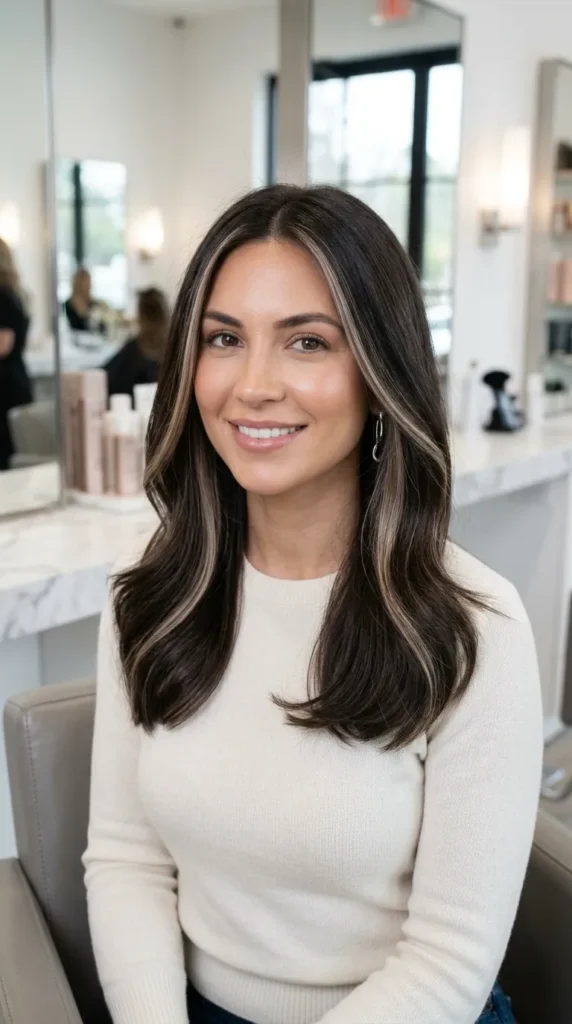
Adjusted specifically for rounder face shapes, this version uses narrower, more vertical highlighted pieces to create the illusion of length. The placement carefully avoids adding unnecessary width around the fuller parts of the cheeks.
Vertical, elongating placement helps balance a rounder shape without overwhelming the face or adding extra roundness. This customization makes the technique genuinely flattering rather than a generic, one size fits all application. Discussing your face shape openly with your colorist ensures the placement actually serves your individual features.
16. Face Framing Highlights for Square Faces
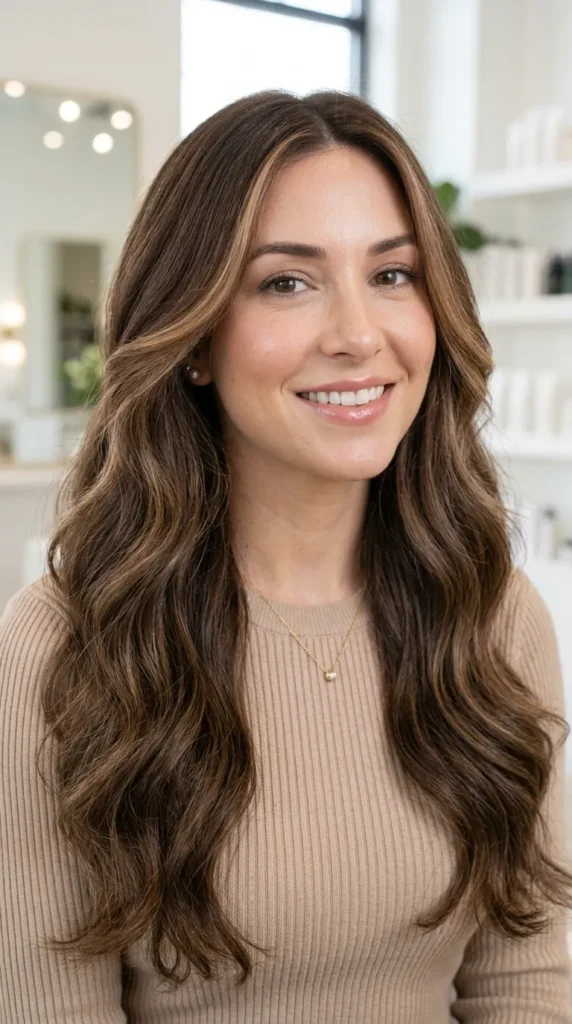
For square face shapes, softer, more rounded highlighted pieces near the jawline help soften naturally strong angles. The placement draws the eye upward toward the cheekbones rather than emphasizing an already angular jawline.
This customization prevents the highlights from accentuating features that some people would prefer to soften instead. A thoughtful colorist will consider bone structure carefully before finalizing any placement decisions. Rounded, feathered lightening near the jaw creates a gentler, more balanced overall frame around the face.
17. Face Framing Highlights with Root Smudge
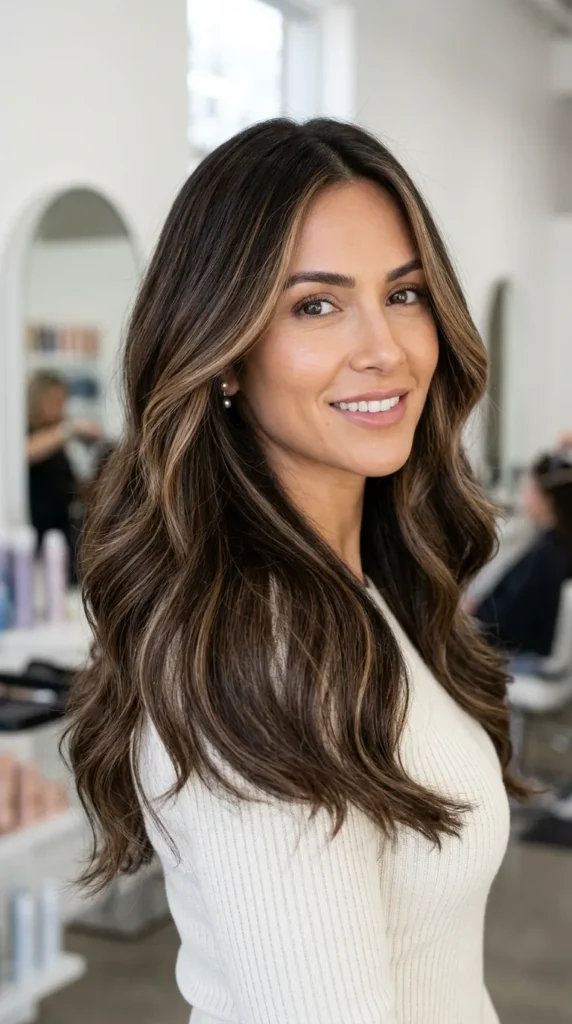
Paired with a soft root smudge, this version blends the natural root color gradually into the highlighted pieces below. The result avoids a hard, obvious line at the point where new growth begins.
Root smudging extends the time between salon visits since new growth blends more gracefully into the existing highlighted color. This pairing suits people wanting genuinely lower maintenance color overall throughout the year. The smudged transition also gives the highlights a more naturally grown out, effortless appearance.
18. Face Framing Highlights for Special Occasions
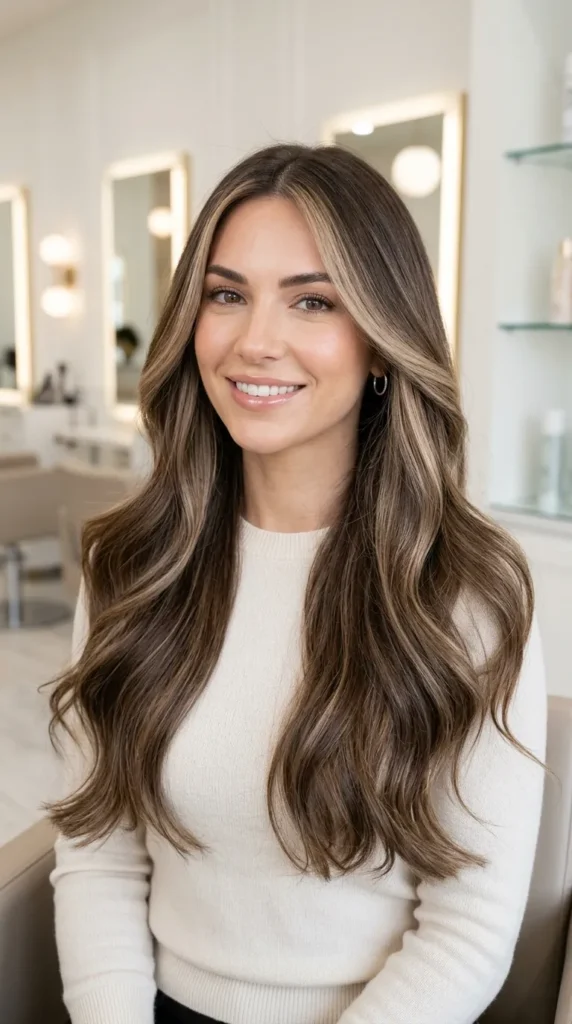
Temporary versions of this technique, using color sprays or clip in pieces, let you preview the effect before committing to a permanent salon appointment. This low risk option works particularly well ahead of a specific event or celebration.
Testing the placement and brightness beforehand helps confirm the look actually suits your face before any permanent lightening ever occurs. Temporary options also offer welcome flexibility for occasional dramatic looks without long term commitment. This approach appeals strongly to people who want variety without a permanent change.
19. Face Framing Highlights Combined with Balayage
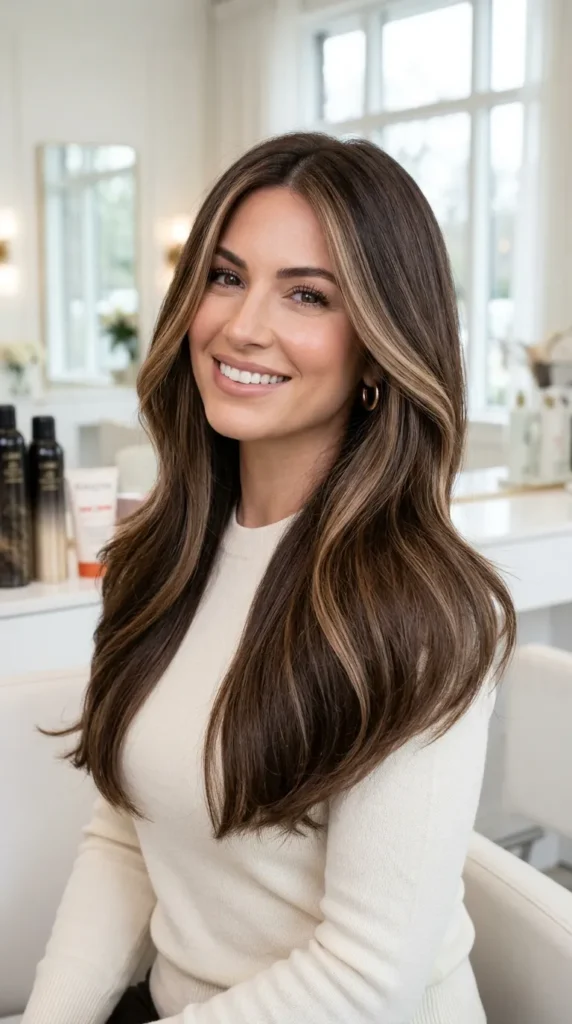
Integrated into a broader balayage pattern throughout the rest of the hair, face framing highlights become part of a cohesive, fully dimensional color story rather than an isolated feature at the front.
This combination creates a more blended, expensive looking result since the front highlight no longer stands alone against a flat, untouched base. The overall color feels more intentional and fully integrated throughout. Colorists often recommend this pairing for clients wanting a complete, cohesive color transformation.
20. Face Framing Highlights with Glossy Finish
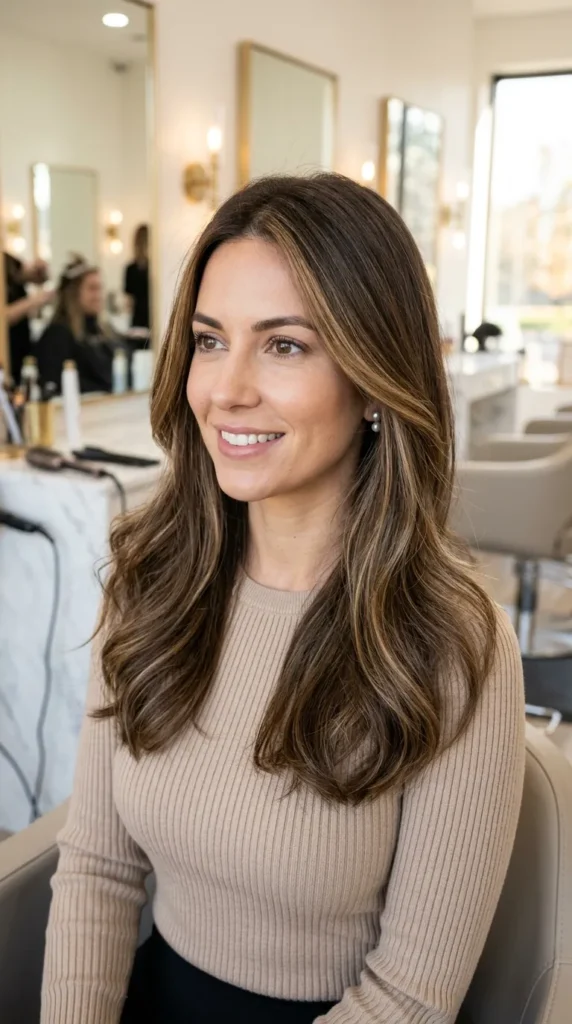
Finished with a clear or toning gloss treatment, this version smooths the hair cuticle and enhances how the lightened pieces catch and reflect available light. The gloss keeps highlights looking polished rather than dry or brassy.
Regular gloss treatments prevent the highlighted sections from fading into a dull, straw like texture over time between visits. This maintenance step significantly extends how fresh and vibrant the color looks between appointments. A glossy finish also helps disguise minor regrowth for a noticeably longer period.
21. Face Framing Highlights Maintenance and Styling
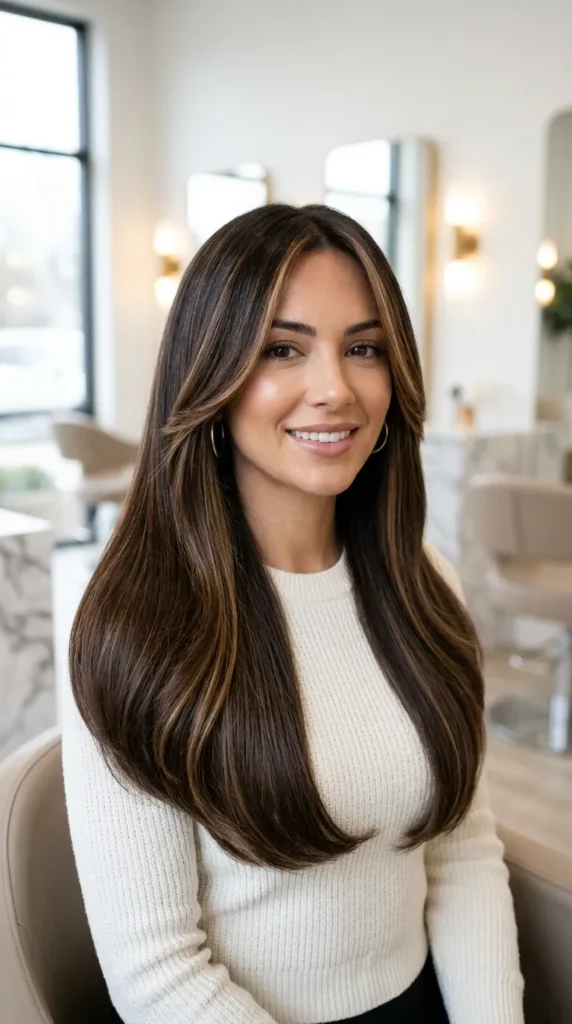
Maintaining face framing highlights involves regular touch ups, since the pieces are concentrated at the front where growth is most visible day to day. A dedicated toning shampoo helps prevent unwanted brassiness from developing between scheduled salon visits.
Most face framing highlights need touch ups every eight to twelve weeks depending on individual hair growth rate and desired level of contrast. Regular trims also help keep the highlighted ends looking healthy and well maintained. Consistent at home care preserves both the color vibrancy and the overall condition of the hair.
22. Finding Your Face Framing Highlight Colorist
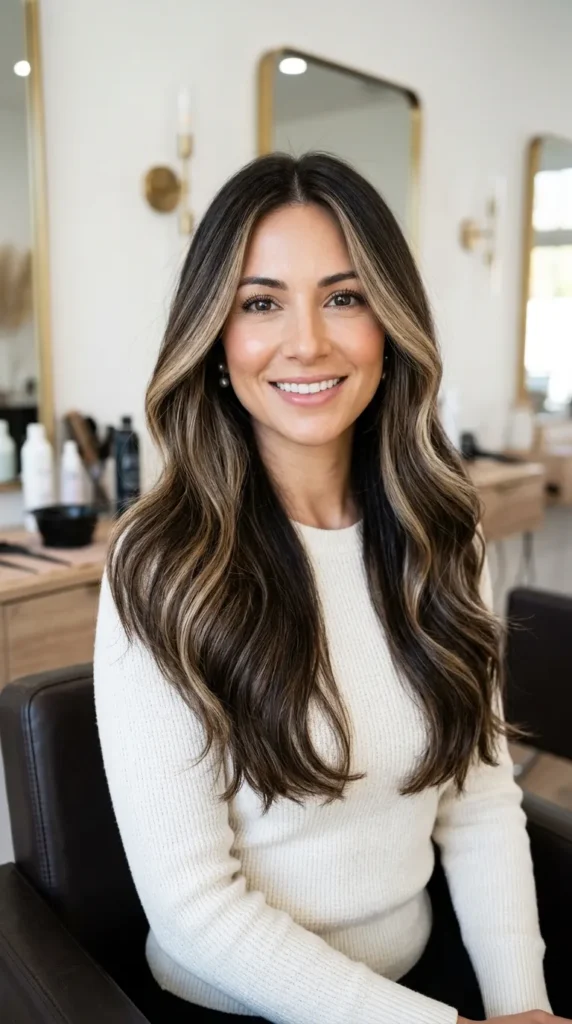
Finding a colorist experienced specifically with precise face framing placement matters more than most people initially realize going in. The technique requires understanding face shape, natural part, and how light hits the highlighted pieces throughout the day.
Look for colorists who showcase face framing transformations specifically within their existing portfolio of work. Experience with this exact technique translates directly into cleaner, more flattering, and more precise placement. The right colorist listens carefully to your vision and executes it with genuine skill and precision.
Making Face Framing Highlights Work For You
Face framing highlights remain one of the smartest, lowest commitment ways to brighten your entire look and complexion. The placement, width, and tone can be adjusted for nearly any hair type, face shape, and base color once approached thoughtfully and with real intention. The finish can range from barely there to boldly dramatic depending entirely on your personal preference and lifestyle.
Choose a colorist experienced with this specific technique and precise placement work. Communicate clearly about the brightness and placement you genuinely want around your face. Be prepared for regular touch ups at the front sections where growth shows fastest. Then enjoy the undeniable, brightening glow that genuinely well done face framing highlights provide every single time you style your hair.
Face framing highlights prove that you do not need a dramatic, all over transformation to feel genuinely refreshed. A small, well placed change around the hairline can shift how your whole face reads in photographs, in daylight, and in everyday conversation. That focused, intentional impact is exactly what makes this technique worth the investment for so many people.