
35 Ways to Grow Hair Faster That Deliver Genuine Results

Growing hair faster is genuinely less about miracle products and more about consistent habits that support healthy hair from the root outward. Hair grows at a fairly fixed rate biologically, but breakage, damage, and poor scalp health can make it seem like growth has stalled entirely. A good approach focuses on retaining length while supporting the conditions hair needs to grow steadily. A rushed or poorly informed approach can actually cause more breakage, making hair appear stuck rather than genuinely progressing. The difference lies in understanding what actually influences hair growth and retention.
These thirty five approaches show you different ways to support faster, healthier feeling hair growth, from simple daily habits to more targeted treatments. Whether your hair is fine, thick, curly, or straight, there is an approach here that works for you. Let me show you what genuinely supports hair growth and how to build these habits into your life.
1. Regular Scalp Massage

Massaging the scalp for a few minutes daily increases blood circulation to hair follicles, which some evidence suggests may support healthier growth over time. Many people find this small adjustment makes a real difference in how their hair feels over time. This is genuinely a first step worth trying before considering anything more involved.
Use your fingertips rather than nails, applying gentle pressure in circular motions. This simple habit takes only a few minutes and requires no special products. It is a detail worth revisiting periodically as your hair naturally changes with the seasons. It complements nearly every hair type when chosen thoughtfully and tried gradually.
2. Balanced Protein Intake

Hair is primarily made of protein, so ensuring adequate dietary protein intake supports the building blocks your body needs to produce healthy new hair strands. This choice tends to suit a wide range of hair types and lifestyles fairly easily. This approach requires very little extra time once the habit becomes familiar.
Include lean meats, eggs, legumes, or plant based protein sources regularly in your diet. This foundational habit supports growth from the inside out. It is worth testing consistently for a few weeks before judging the actual results. It remains one of the most requested strategies among people rebuilding hair health.
3. Adequate Biotin Intake

Biotin, a B vitamin, plays a role in hair health, and ensuring adequate intake through diet or supplements may support stronger, healthier growing hair. Most people notice a difference within just a few weeks of consistent practice. This method has stood out across many different hair textures and lengths.
Foods like eggs, nuts, and seeds naturally contain biotin. Consult a healthcare provider before starting any supplement to ensure it suits your specific needs. This detail often becomes the habit that people credit most for real improvement. It offers a genuinely practical balance between simplicity and everyday convenience.
4. Regular Trims to Prevent Breakage

Regular trims every eight to twelve weeks remove split ends before they travel further up the hair shaft, preventing breakage that cancels out new growth. A little patience with this step ensures the routine matches your expectations closely. This approach continues to be recommended by experienced dermatologists and stylists alike.
Consistent trims genuinely support length retention over time. Skipping trims to save length often backfires, since split ends spread and cause more breakage. This choice reflects genuine hair health as much as it reflects daily convenience. It suits both special treatments and relaxed, everyday maintenance equally well.
5. Gentle Detangling Technique
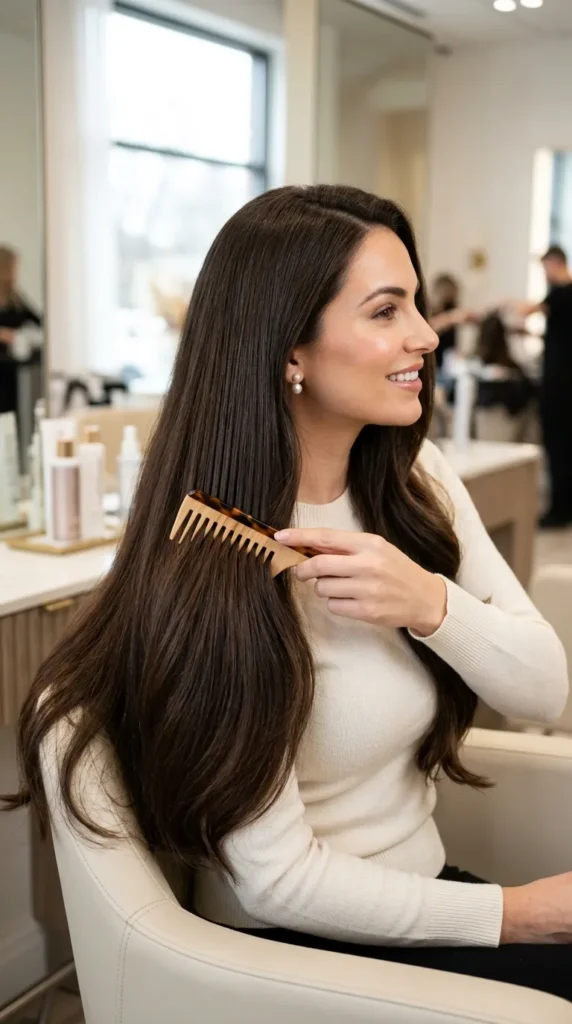
Detangling hair gently, starting from the ends and working upward, reduces breakage that commonly occurs when hair is pulled through tangles too forcefully. It is an easy habit to incorporate without disrupting your existing morning routine. This method pairs naturally with most existing habits already on hand daily.
Use a wide tooth comb or your fingers rather than a fine tooth comb or brush on wet hair specifically, since wet hair is most vulnerable to breakage. This adjustment works especially well when paired with the right supporting habits. It remains a dependable choice regardless of the season or specific concern.
6. Reducing Heat Styling Frequency

Reducing how often you use blow dryers, straighteners, and curling irons genuinely reduces cumulative heat damage that weakens hair and leads to breakage over time. This is one of the easiest ways to personalize your routine without much extra cost. This approach has helped many people simplify their overall hair care routine.
When heat styling is necessary, always use a heat protectant spray beforehand. This simple step significantly reduces damage from repeated heat exposure. Most people can start this habit with products already sitting in their bathroom. It offers flexibility that few other single habits can genuinely match easily.
7. Silk Pillowcase for Reduced Friction

Sleeping on a silk or satin pillowcase reduces friction against hair compared to cotton, genuinely helping prevent breakage and tangling throughout the night. It is worth mentioning this specific step to your doctor during your next checkup. This is a reliable choice worth keeping in your routine throughout the week.
This small switch requires no change to your daily routine beyond swapping your pillowcase. Many people notice less frizz and breakage within just a few weeks. This small habit often becomes a defining part of your overall hair care routine. It photographs well and holds up through long days of activity and styling.
8. Protective Nighttime Styling

Loosely braiding or wrapping hair before bed protects it from friction and tangling overnight, supporting length retention alongside a silk pillowcase or scarf. Keeping a consistent schedule for this step helps you notice its effects more clearly. This detail continues to be a favorite among people planning their routine carefully.
Choose a loose braid or a silk bonnet rather than a tight style, since excessive tension overnight can actually cause breakage along the hairline. This approach genuinely rewards a bit of patience during the first few weeks. It suits nearly every stage of a busy week from morning through evening.
9. Scalp Exfoliation
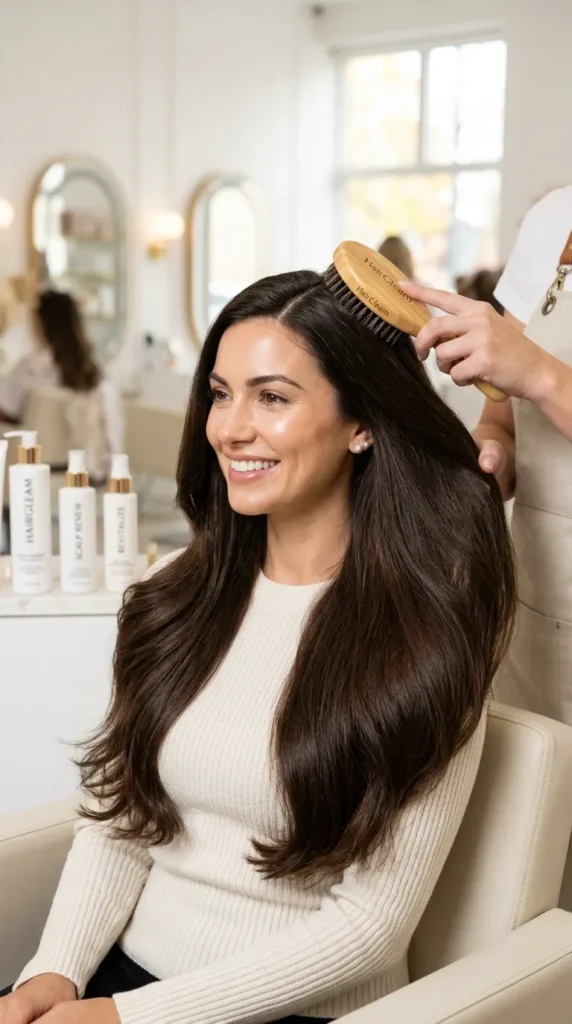
Exfoliating the scalp periodically removes buildup from products, oils, and dead skin cells, supporting a healthier environment for hair follicles to produce strong new growth. Most people find this particular habit easy to maintain over a long period. This approach rewards a little extra planning time while organizing your routine.
Use a gentle scalp scrub or brush once every week or two. This habit supports overall scalp health alongside regular cleansing and conditioning. This choice tends to hold up well through busy, unpredictable daily schedules. It remains genuinely versatile across warm and cooler seasonal hair care needs alike.
10. Avoiding Excessive Washing

Washing hair too frequently can strip natural oils that protect and moisturize the scalp and length, potentially leading to dryness and increased breakage over time. It is a small investment of time that pays off with healthier hair later. This method has stood out as a consistently smart choice for many people.
Most hair types benefit from washing two to three times weekly rather than daily. Adjust based on your specific scalp oil production and lifestyle. This detail suits people wanting a slightly more thorough, considered overall routine. It offers real comfort and results in equal measure throughout a demanding week.
11. Deep Conditioning Regularly

Regular deep conditioning treatments restore moisture and strength to hair, reducing breakage that can make hair appear stuck at the same length indefinitely. A trusted stylist will naturally suggest this adjustment if it suits your hair well. This is genuinely worth trying if your current rotation feels a bit repetitive.
Incorporate a deep conditioning mask weekly or biweekly depending on your hair’s specific needs. This habit genuinely supports length retention over time. It is genuinely satisfying once you notice the improvement this habit provides. It complements nearly every existing routine when chosen thoughtfully and intentionally.
12. Protective Styling
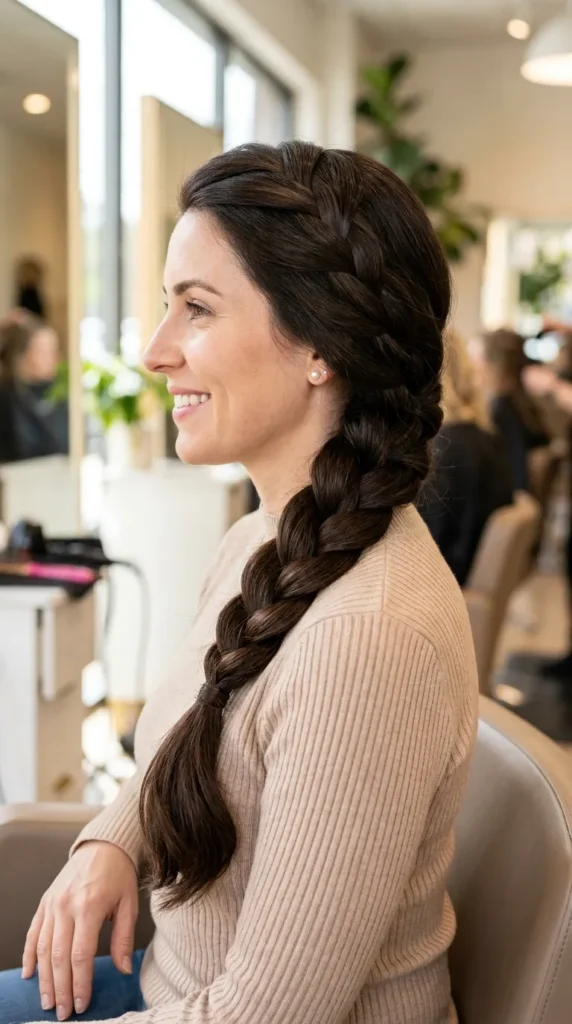
Wearing protective styles like braids, twists, or buns reduces daily manipulation and tucks away ends, supporting genuine length retention by minimizing friction and breakage. This is a genuinely popular habit among people focused on long term hair health. This approach requires very little extra effort once the pieces are gathered.
Choose protective styles that are not too tight, since excessive tension can cause damage along the hairline. Give hair breaks between styles for scalp health. This choice works particularly well when paired with the right supporting habits. It remains one of the more versatile habits for everyday hair care.
13. Reducing Chemical Processing

Reducing the frequency of coloring, relaxing, or perming treatments gives hair more time to recover strength between chemical processes, supporting healthier overall growth. It generally requires no significant extra effort beyond your regular weekly routine. This method has proven itself popular across many different personal preferences.
Space out chemical treatments as much as possible and always follow up with deep conditioning. This habit reduces cumulative damage that leads to breakage. This option is worth considering seriously while building out your overall approach. It offers a genuinely practical balance between comfort and visible improvement.
14. Using a Wide Tooth Comb
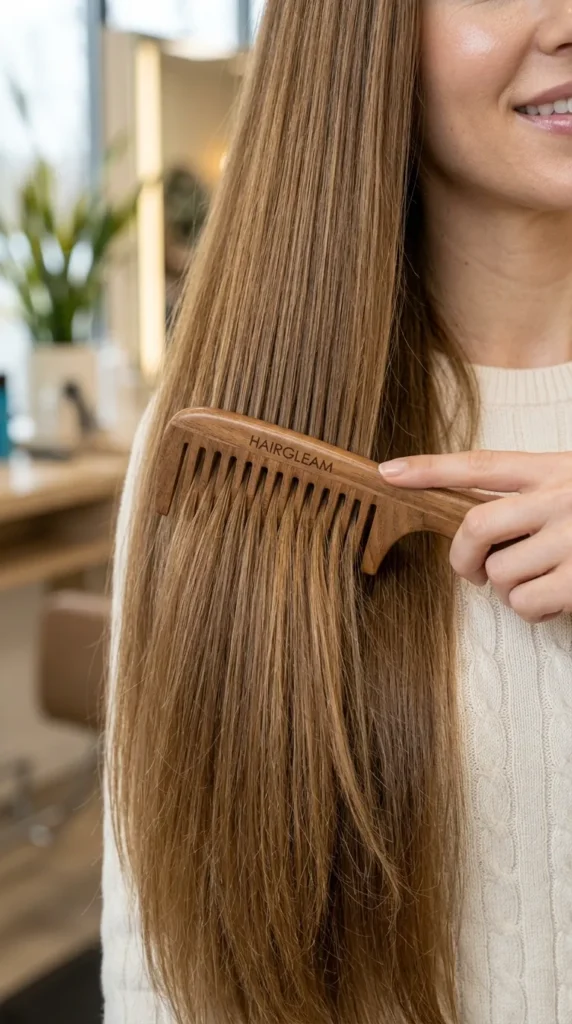
Switching to a wide tooth comb for detangling, particularly on wet or curly hair, reduces breakage compared to brushes or fine tooth combs specifically. This choice tends to work particularly well across many different hair textures. This approach continues to be recommended by people who prioritize easy routines.
Wide tooth combs distribute tension more evenly through the hair. This small tool change genuinely supports length retention with minimal effort required. It adds a layer of thoughtfulness that elevates the entire routine noticeably. It suits both relaxed weeks at home and busier, more demanding schedules.
15. Trimming Away Heat Damage

Identifying and trimming away sections with significant heat damage prevents further breakage from spreading up the hair shaft over continued styling and handling. A little consistency with this habit ensures it matches your expectations over time. This method pairs naturally with accessories already sitting in most bathroom cabinets.
Heat damaged hair often appears thin, stringy, or overly porous at the ends. Removing this damage supports healthier, stronger growth moving forward. This small addition is one of the easiest ways to personalize a basic routine. It remains a dependable choice regardless of the specific season or setting.
16. Staying Hydrated

Adequate water intake supports overall bodily function, including the health of hair follicles, which rely on proper circulation and hydration to produce strong hair. It is worth trying this specifically if it is not already part of your routine. This approach has helped many people simplify their morning routine significantly.
Aim for consistent daily water intake as part of a broader healthy lifestyle. This foundational habit supports hair growth alongside diet and topical care. This detail often makes a genuinely noticeable difference in how healthy hair looks. It offers flexibility that few other approaches can genuinely match easily.
17. Managing Stress Levels

Chronic stress has been linked to hair thinning and shedding in some cases, making stress management a potentially supportive habit for maintaining healthy hair growth. Most people grow to appreciate this habit more with each passing week of use. This is a reliable choice worth considering for your next routine refresh.
Incorporate stress reducing activities like exercise, meditation, or adequate sleep into your routine. This habit supports overall health alongside hair specifically. It is worth trying even if you feel a little uncertain about it at first. It photographs well and holds up through active, busy everyday schedules.
18. Prioritizing Adequate Sleep

Adequate sleep supports overall bodily repair and hormone regulation, both of which play a role in maintaining healthy hair growth cycles over time. This choice pairs naturally with most existing routines already in place at home. This detail continues to be a favorite among people who value effortless care.
Aim for consistent, quality sleep as part of a broader healthy lifestyle. This habit supports hair health alongside diet, hydration, and stress management. It remains a dependable habit regardless of the season or your specific hair type. It suits nearly every occasion from casual weekdays through special weekend treatments.
19. Avoiding Tight Hairstyles

Avoiding consistently tight hairstyles like tight ponytails or braids reduces tension on the hairline that can lead to breakage and, over time, traction alopecia. This approach has stood the test of time across many different hair care routines. This approach rewards thoughtful planning while building out your seasonal routine.
Alternate between looser and tighter styles rather than wearing the same tight style daily. This habit protects the hairline specifically from cumulative tension damage. It offers a genuinely practical balance between effort and lasting hair health. It remains genuinely versatile across nearly every climate and activity level.
20. Using Satin or Silk Hair Ties

Switching to satin or silk covered hair ties rather than standard elastic bands reduces friction and breakage at the point where hair is gathered and secured. This method has proven itself across many different hair types and lifestyles. This method has stood the test of time across countless different hair journeys.
This small swap costs very little and requires no change to your styling routine. Many people notice less breakage around the ponytail area specifically. It offers a genuinely practical balance between simplicity and real, visible results. It offers a genuinely dependable option regardless of your specific hair concern.
21. Incorporating Omega Three Fatty Acids

Omega three fatty acids, found in fish, flaxseed, and walnuts, support scalp health and may contribute to stronger, shinier hair when included in a balanced diet. This approach continues to be recommended by experienced stylists and dermatologists alike. This is genuinely a small habit worth adding to your existing daily routine.
Include these foods regularly or consider a supplement after consulting a healthcare provider. This dietary habit supports hair health from within the body. It suits both simple routines and more elaborate, multi step approaches equally well. It complements nearly every lifestyle when introduced gradually and consistently.
22. Reducing Sun Exposure Damage

Excessive sun exposure can dry out and weaken hair over time, similar to how it affects skin, making protective measures a supportive habit for hair health. This method pairs naturally with most existing hair care habits already in place. This approach continues to prove itself valuable across many different hair goals.
Wear a hat or use a UV protectant spray during extended sun exposure. This habit prevents cumulative dryness and weakening from prolonged sun exposure. It remains a dependable choice regardless of the season or your specific goals. It suits both short term maintenance and long term hair health goals.
23. Choosing Sulfate Free Shampoo

Sulfate free shampoo cleanses gently without stripping natural oils as aggressively as sulfate based formulas, supporting better moisture retention throughout the hair and scalp. This approach has helped many people notice genuine improvement over several months.
This product switch suits nearly every hair type, though it matters most for dry, damaged, or color treated hair specifically needing gentler cleansing. It offers flexibility that few other single habits can genuinely match alone.
24. Using Leave In Conditioner

Applying a leave in conditioner after washing provides ongoing moisture and protection throughout the day, reducing dryness that can lead to breakage over time. This is a reliable habit worth keeping in your routine throughout the year.
Apply to damp hair, focusing on the mid lengths and ends specifically. This simple addition supports moisture retention between full washing and conditioning sessions. It supports healthier hair through both everyday wear and more demanding periods.
25. Massaging in Growth Supporting Oils
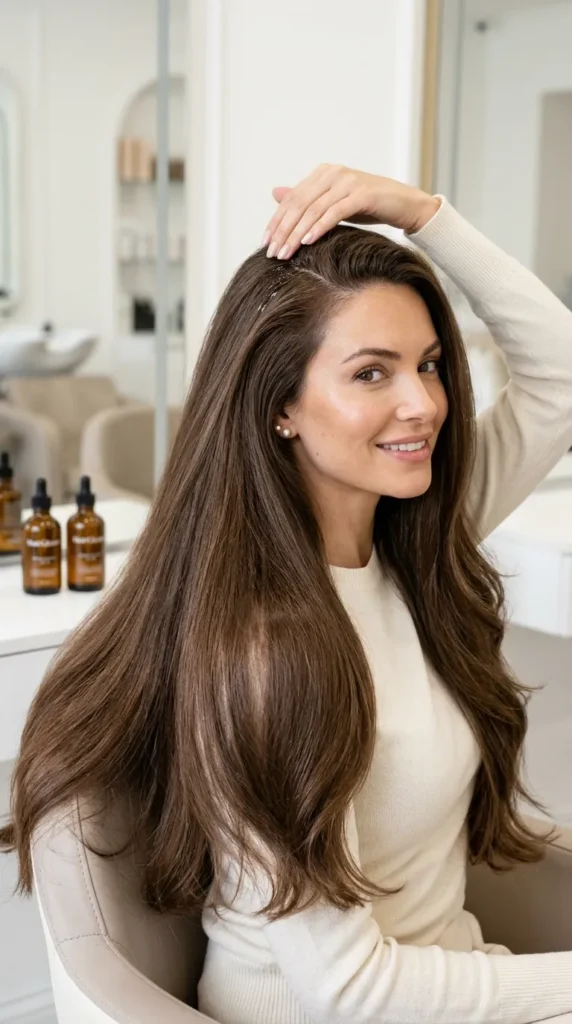
Massaging oils like castor oil, rosemary oil, or peppermint oil into the scalp may support circulation and a healthier environment for hair follicles specifically. This detail continues to be a favorite among people building a thoughtful routine.
Some evidence supports these oils for scalp health, though results vary between individuals. Always patch test new oils before full scalp application. It suits nearly every stage of a long term hair health journey overall.
26. Avoiding Overlapping Chemical Treatments

Avoiding overlapping chemical treatments, such as coloring immediately after relaxing, prevents compounding damage that significantly weakens hair and leads to increased breakage. This approach rewards a little extra planning time when building your full routine.
Space out different chemical processes by at least several weeks. This habit genuinely protects hair integrity across multiple types of chemical treatment. It remains genuinely versatile across different hair types and personal goals alike.
27. Protecting Hair During Swimming

Wetting hair with fresh water before swimming and applying a leave in conditioner helps reduce chlorine or salt water absorption that can dry and weaken hair. This method has stood out as a consistently smart habit for many people.
Rinse thoroughly after swimming and follow with a deep conditioning treatment if needed. This habit protects hair during frequent swimming throughout warmer months. It offers real, lasting benefit in exchange for a small time investment.
28. Choosing the Right Hairbrush
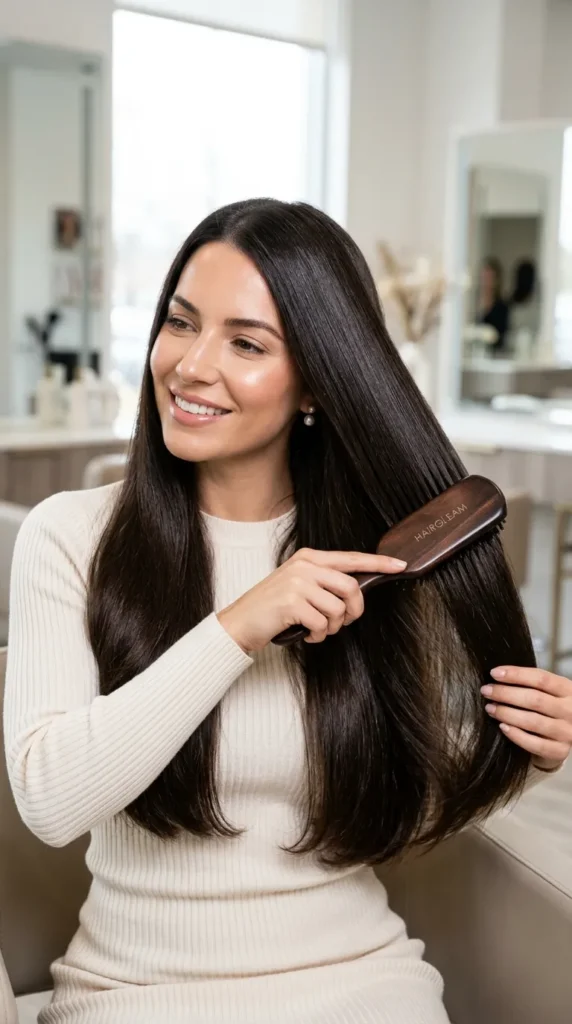
Choosing a brush suited to your specific hair type, such as a boar bristle brush for distributing natural oils or a detangling brush for curls, reduces damage. This is genuinely a first step worth trying before considering more intensive changes.
The right tool genuinely reduces unnecessary breakage during daily brushing and styling. Replace worn or damaged brushes regularly to avoid snagging fragile hair. It complements nearly every hair type when introduced thoughtfully and gradually.
29. Avoiding Rough Towel Drying

Avoiding rough towel drying, which creates friction and can cause breakage, in favor of gently squeezing or patting hair dry with a microfiber towel instead. This approach requires very little extra effort once the habit becomes familiar.
This small adjustment genuinely reduces mechanical damage during the drying process. Microfiber towels also absorb water more efficiently than standard terry cloth towels. It remains one of the most requested habits among people rebuilding hair health.
30. Monitoring Medication Side Effects

Some medications can affect hair growth as a side effect, making it worth discussing any noticeable changes in shedding or growth with your prescribing doctor. This method has proven itself popular across many different hair textures and lengths.
Never stop medication without medical guidance, but do mention hair changes during regular checkups. This conversation helps rule out or address treatable causes. It offers a genuinely practical balance between cost and improved everyday results.
31. Considering Professional Consultation

Consulting a dermatologist or trichologist can help identify underlying causes of slow growth or excessive shedding that general hair care habits alone cannot address. This approach continues to be recommended by experienced professionals in the field.
Professional consultation is especially worthwhile if you notice sudden or significant changes in hair thickness or growth rate beyond typical, gradual patterns. It suits both damaged hair and healthier hair needing routine maintenance.
32. Tracking Growth Realistically

Tracking hair growth with photos or measurements over several months provides a realistic picture of progress, since hair grows slowly and gradually by nature. This method pairs naturally with most existing hair care habits already in rotation.
This habit helps manage expectations and recognize genuine progress that might otherwise go unnoticed day to day. Patience remains essential throughout this process. It remains a dependable choice regardless of the season or specific concern.
33. Avoiding Harsh Chemical Overuse

Avoiding excessive use of harsh chemical products, including strong clarifying shampoos or high alcohol content styling products, protects hair from unnecessary dryness and damage. This approach has helped many people extend the health of their hair overall.
Read ingredient labels and choose gentler formulations when possible. This habit supports long term hair health alongside more active growth focused strategies. It offers flexibility that few other single habits can genuinely match.
34. Being Patient with the Process

Understanding that hair growth is a gradual, biological process that cannot be dramatically accelerated helps set realistic expectations for your overall hair care journey. This is genuinely worth trying if your current routine feels a bit repetitive.
Consistent habits over months, rather than quick fixes, genuinely produce the best results. Patience remains one of the most underrated tools in this process. It complements nearly every existing hair care habit when chosen thoughtfully.
35. Building a Consistent Routine

Combining several approaches above into a consistent, sustainable routine tailored to your specific hair type and lifestyle creates the best foundation for genuine growth. This method has stood the test of time across countless different hair journeys.
Start with a few key habits rather than overhauling everything at once. Gradual, consistent changes tend to produce the most lasting, genuine results over time. It offers a genuinely dependable option regardless of your specific hair concern.
Making Hair Growth Work For You
Growing hair faster is genuinely more about consistent care and damage prevention than any single miracle product or treatment. The habits and approaches discussed here can be adapted for almost any hair type and lifestyle when applied consistently over time. Results generally require patience, since hair growth is a gradual biological process that responds best to steady, ongoing care rather than dramatic short term interventions.
Supporting genuine hair growth is a long term commitment rather than a quick fix. Focus on reducing breakage, supporting overall health, and maintaining consistent habits, and you will genuinely see the length and strength you are working toward over time.