33 Asymmetrical Bob Haircut Ideas for Bold Style
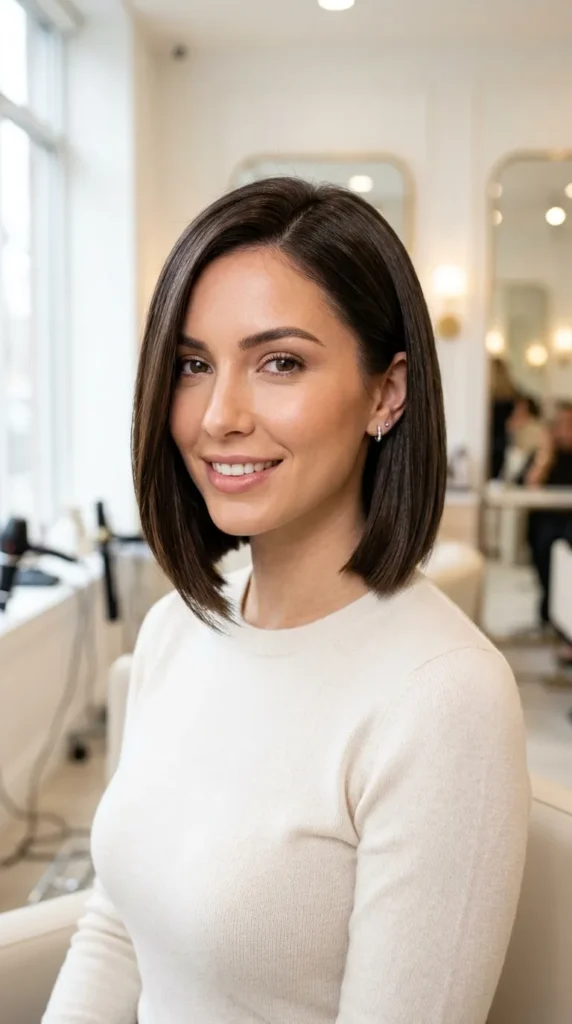
An asymmetrical bob is one of the most striking ways to reinvent a classic haircut. Rather than an even, matching length on both sides, the asymmetrical bob plays with uneven lines, dramatic angles, and intentional imbalance to create a shape that feels modern and expressive. A good asymmetrical bob looks deliberate and sharp. A poorly executed version can look accidental rather than styled with purpose. The difference comes down to precise cutting, understanding your face shape, and knowing exactly how dramatic you want the length difference to be. These thirty three asymmetrical bob ideas walk through different ways to wear the cut, from subtle length variation to bold, dramatic angles, from sleek and polished to textured and undone. Whether you have fine or thick hair, whether you want a barely there asymmetry or a striking, unmistakable statement, there is a version of this cut that genuinely works for you. Consider your face shape, your daily styling routine, and how much boldness you actually want before making a final decision with your stylist.
1. The Classic Asymmetrical Bob
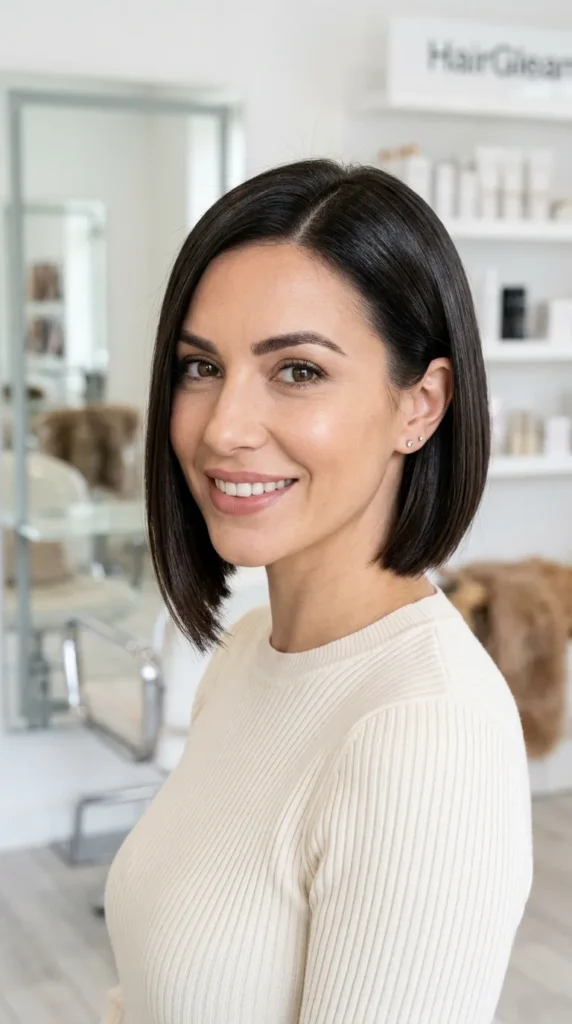
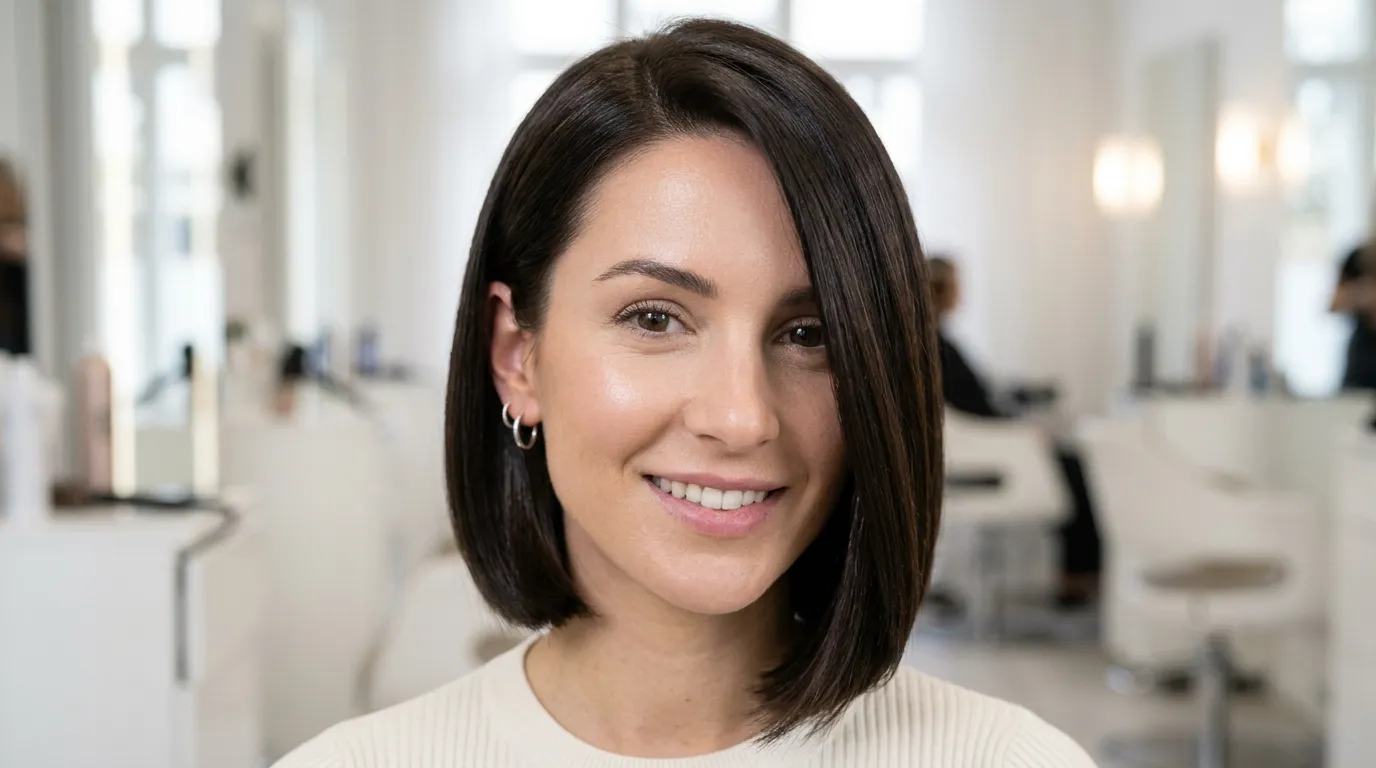
The foundational version features one side cut noticeably shorter than the other, typically with a clean, straight cut line running at an angle from the nape to the jaw. This is the shape most people picture first. This version suits nearly every hair type and works as a strong standalone statement without requiring any additional styling detail.
Ask your stylist for a defined length difference of at least an inch between the two sides to ensure the asymmetry reads clearly. Bringing a reference photo helps communicate exactly how dramatic you want the contrast to be.
2. Subtle Asymmetrical Bob for Gentle Contrast
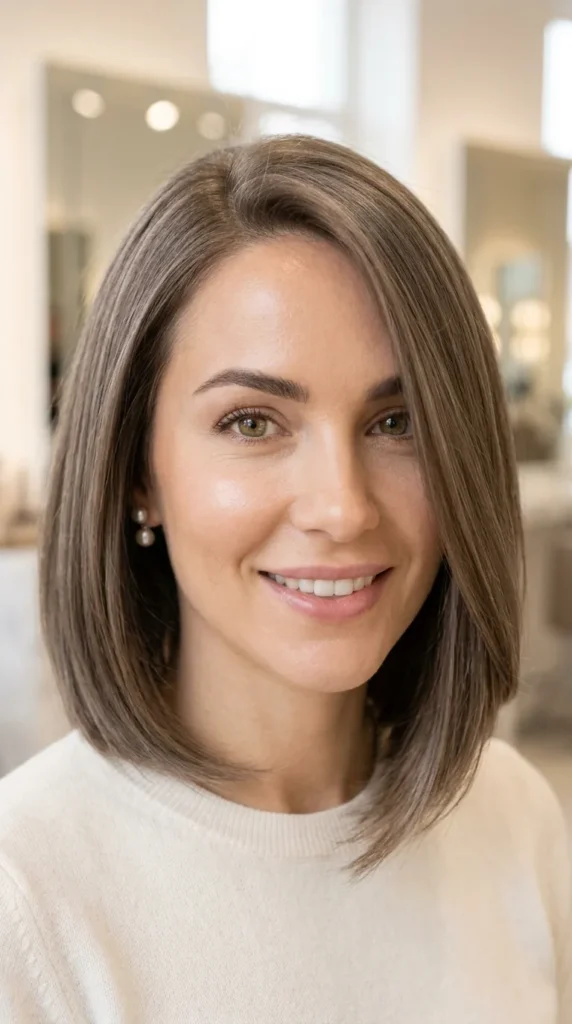
A gentler version uses a smaller length difference between the two sides, creating asymmetry that is noticeable but not dramatic. This approach suits people wanting a fresh shape without a bold statement. This gentler approach also grows out more gracefully, making it a forgiving option for people newer to the style.
Subtle asymmetry works well when the difference between sides stays under an inch, keeping the overall look soft and easy to style. This gentler difference is also easier to grow out evenly over time.
3. Dramatic Asymmetrical Bob for Bold Statement
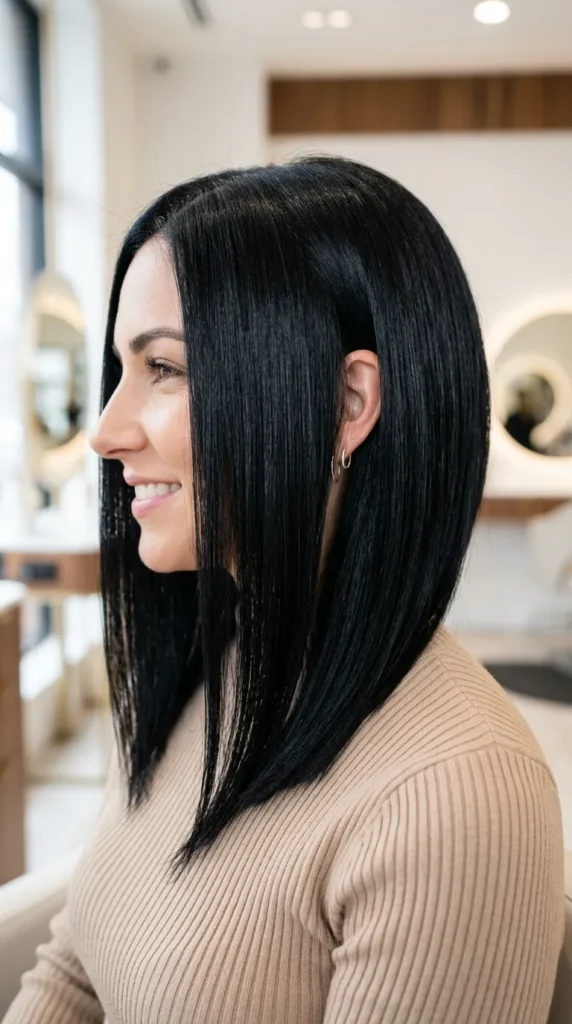
A striking version with a significant length difference, sometimes several inches, between the shorter and longer sides. This bold approach makes an unmistakable statement and photographs beautifully from every angle. This version suits people wanting an obvious, noticeable transformation rather than a subtle shift in overall shape.
Dramatic asymmetry requires confident, precise cutting to avoid looking unbalanced rather than intentionally bold and sharp. Choosing an experienced stylist matters even more with this dramatic a length difference.
4. Angled Asymmetrical Bob with a Sharp Diagonal Line
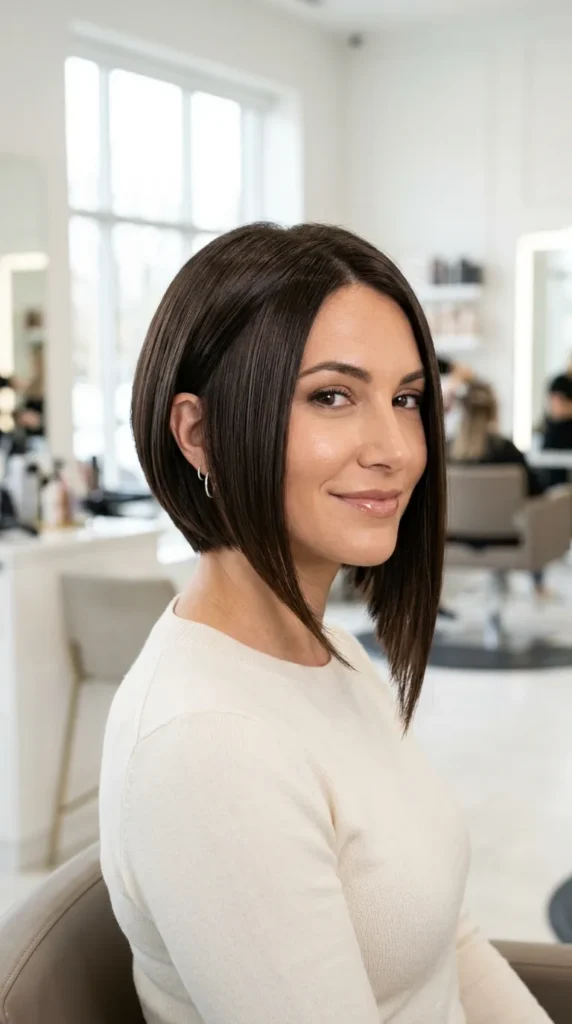
A version featuring a sharply angled cut line running diagonally from short at the nape to long at the front. The diagonal creates strong visual movement toward the face. This graphic shape suits people wanting a distinctly modern, editorial finish to their everyday hairstyle.
A sharp diagonal line requires regular trims to maintain its crisp edge, since growth softens the angle fairly quickly. Skipping trims for too long can blur the sharpness of the overall shape.
5. Curved Asymmetrical Bob for Softer Movement
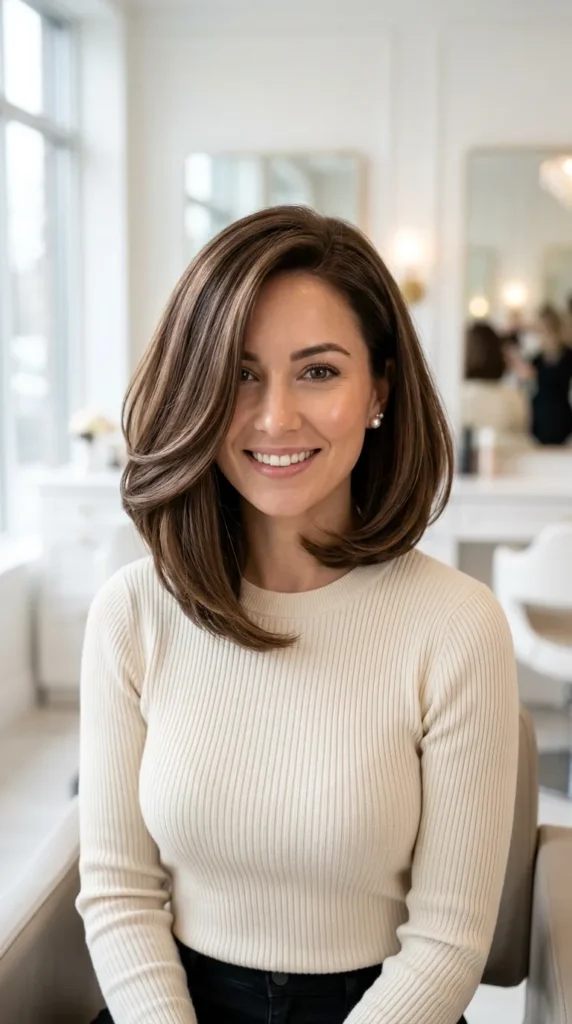
A version using a gently curved rather than sharply angled cut line, softening the transition between the shorter and longer sides for a more rounded silhouette. This softened approach still creates plenty of visual interest while feeling more wearable for daily life.
Curved asymmetry suits people wanting the visual interest of the cut without a harsh, overly graphic line running through the hair. This softer approach also tends to suit a wider range of face shapes.
6. Asymmetrical Bob with a Blunt Cut Line
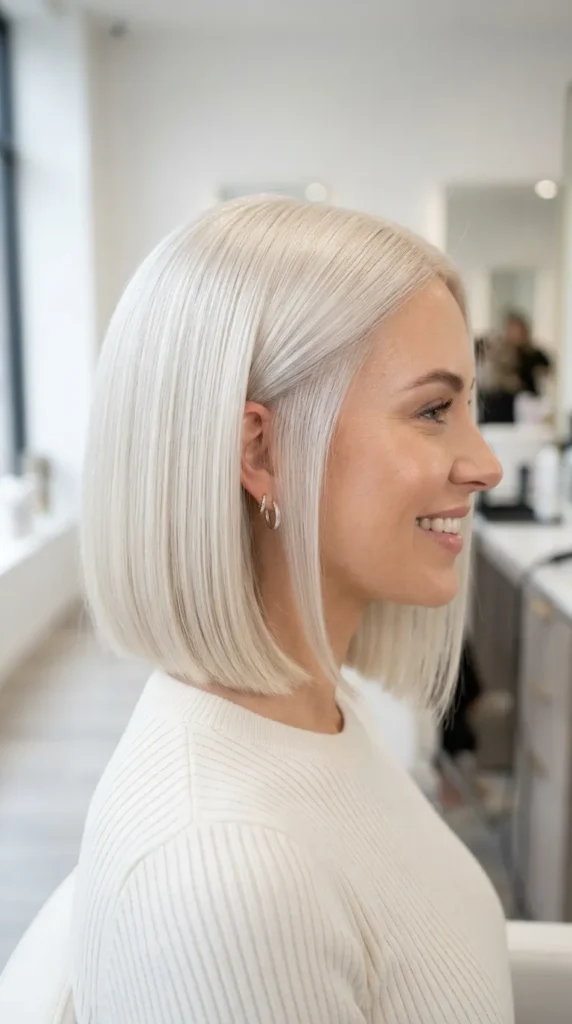
A version with a completely blunt, unlayered edge along both sides, creating maximum definition and a bold, graphic silhouette throughout the cut. This bold, defined edge suits people wanting maximum visual impact from their cut.
Blunt asymmetrical bobs require precise sectioning during cutting, since any unevenness becomes especially obvious along a completely blunt line. A skilled stylist will double check both sides before finishing the cut.
7. Layered Asymmetrical Bob for Softer Texture
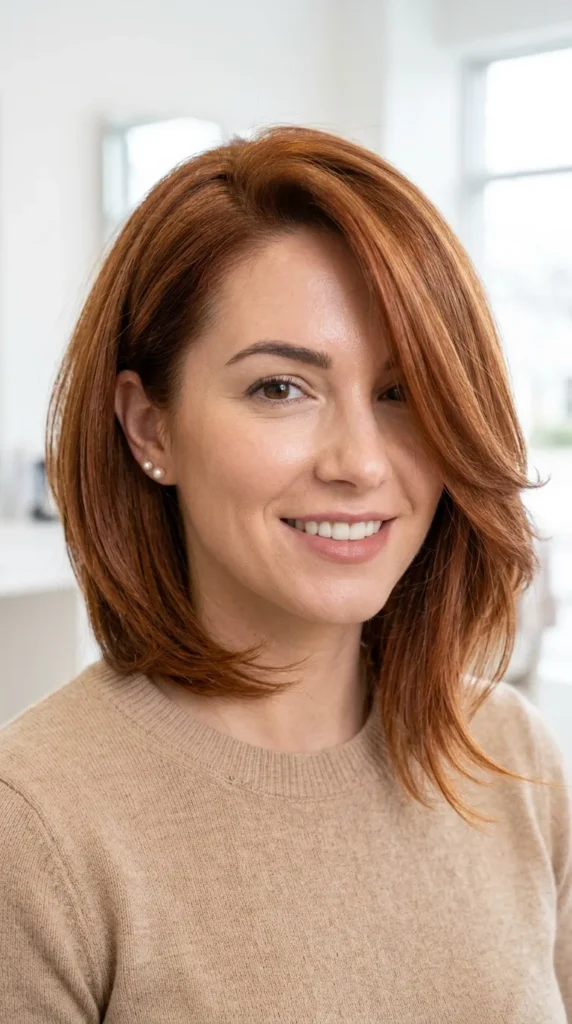
A version incorporating soft layering throughout, softening the overall silhouette and adding movement rather than a completely graphic, sharp edge. This textured version suits people wanting movement in addition to the visual interest of the uneven length.
Layered asymmetry suits people wanting texture and movement in addition to the visual interest created by the uneven length itself. This softer texture also makes daily styling noticeably easier to manage.
8. Asymmetrical Bob for Fine Hair Creating Fullness
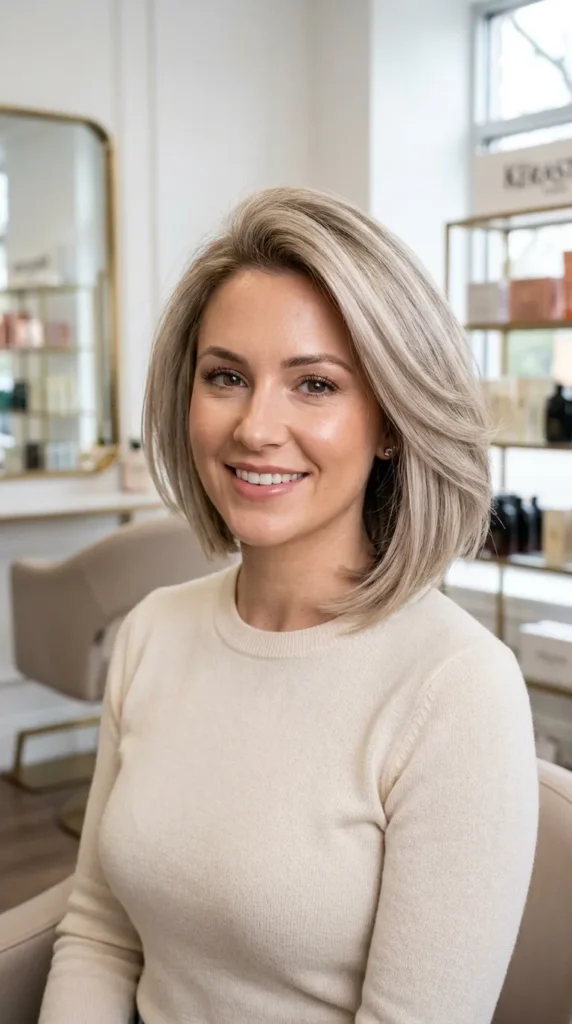
A version designed to add the appearance of body and fullness to fine hair, using the blunt or lightly layered edge to create visual density along the cut line. A skilled stylist will position the blunt line strategically to maximize the appearance of density.
Fine hair holds asymmetrical bobs particularly well, since the blunt edge itself creates the illusion of thickness without any additional volume needed. This makes the cut a smart choice for people with naturally thin strands.
9. Asymmetrical Bob for Thick Hair Creating Shape
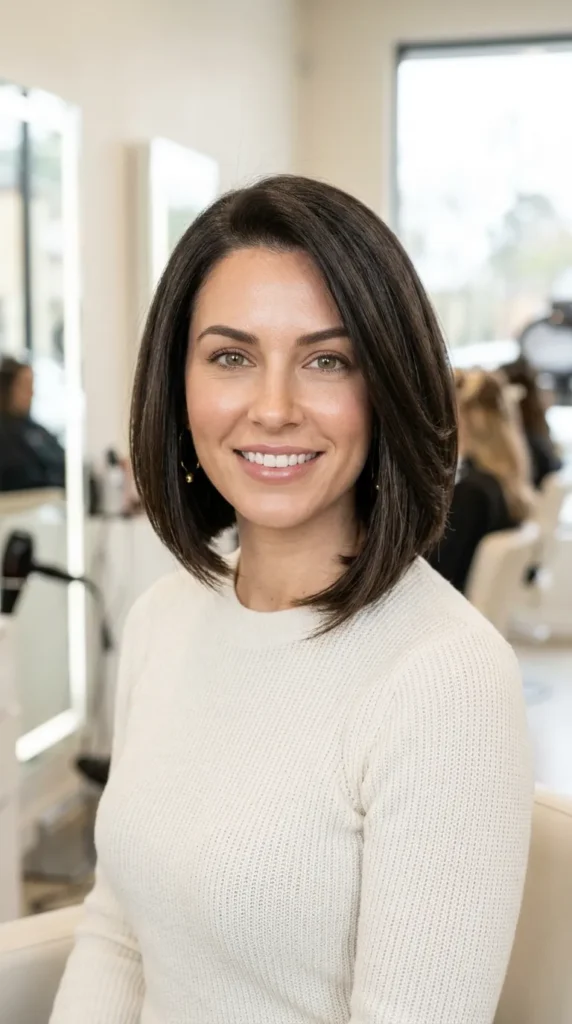
A version adapted for thick, dense hair, where layering helps manage the volume while the asymmetrical line still reads clearly through the density. Regular deep conditioning also helps keep the shorter, more exposed side looking healthy and defined.
Thick hair asymmetrical bobs benefit from thinning at the interior to prevent the cut from feeling too heavy along the shorter side. This internal thinning keeps the shape from feeling bulky or difficult to style.
10. Asymmetrical Bob on Curly Hair
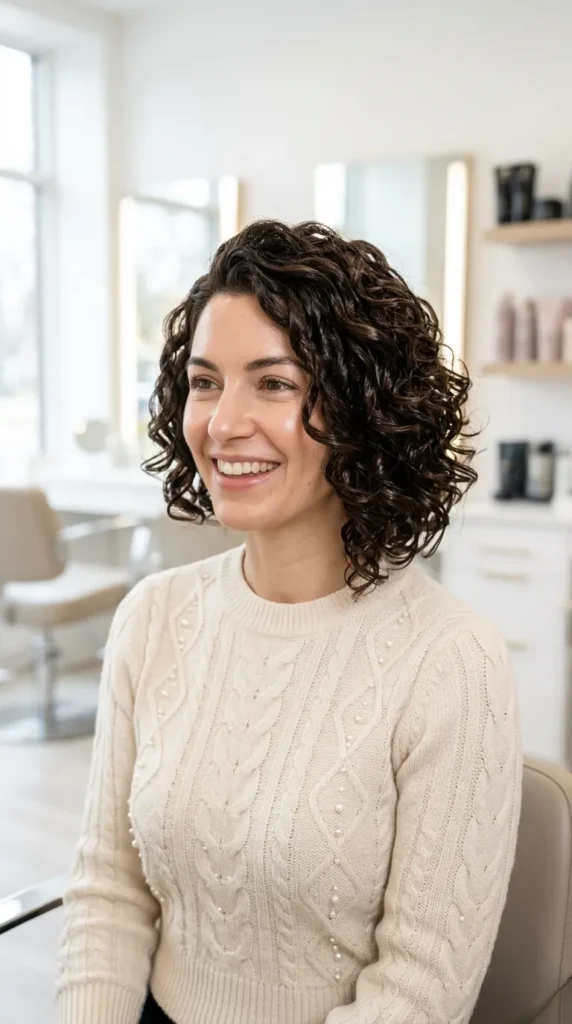
A version created specifically for curly or textured hair, where the curl pattern affects how the asymmetry reads once the hair dries and settles into shape. This pairing often produces some of the most dimensional, textured versions of the cut overall.
Curly hair asymmetrical bobs should be cut dry whenever possible, since shrinkage significantly changes how the length difference appears once fully set. This approach helps avoid a length difference that ends up too dramatic once dry.
11. Asymmetrical Bob on Straight Hair
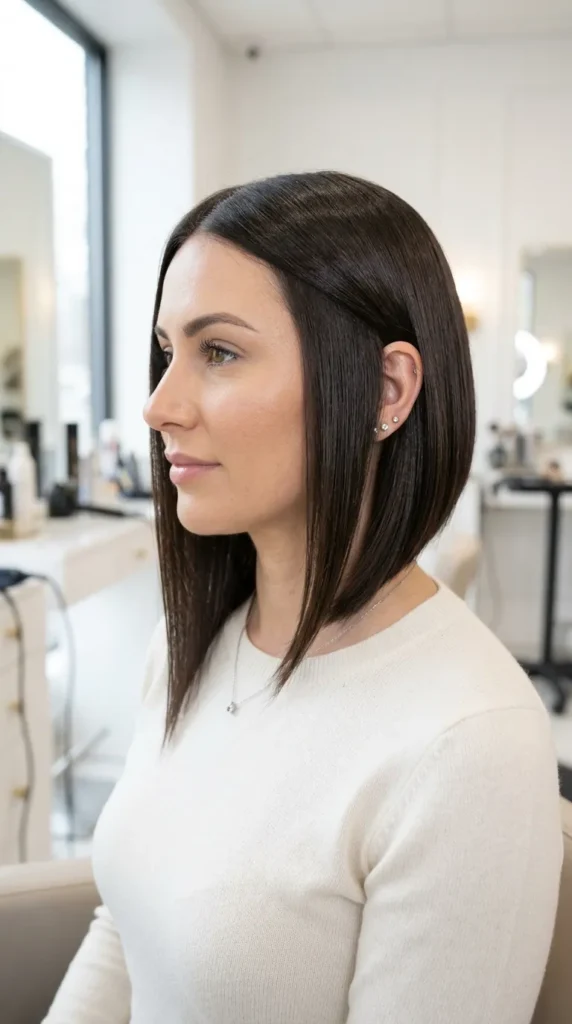
A version on naturally straight, sleek hair, where the cut line reads with maximum clarity and precision against the smooth, reflective surface of the strands. A glossing treatment beforehand also helps the cut line catch and reflect light beautifully.
Straight hair shows off asymmetrical cutting especially well, since there is no texture to soften or disguise the exact line of the cut. Precision matters even more on straight hair for this reason.
12. Short Asymmetrical Bob for Maximum Impact
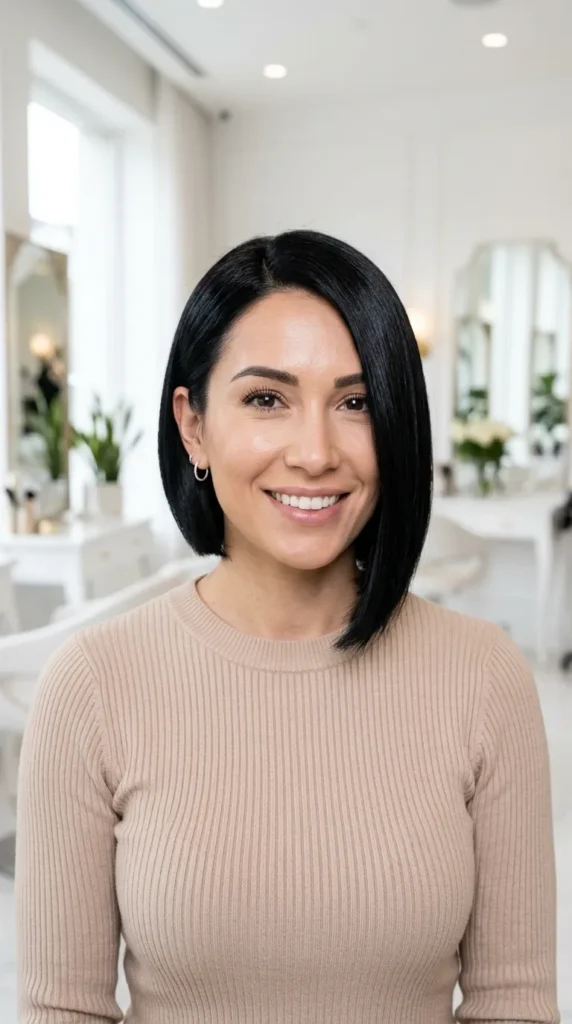
A version with an overall shorter length, often with the shortest side sitting just below the ear, creating a bold, graphic shape close to the head. This compact version tends to require more frequent styling attention to maintain its sharp definition.
Short asymmetrical bobs require frequent trims to maintain their shape, since growth affects a shorter cut more visibly than a longer one. Planning for more regular salon visits helps keep the shape sharp.
13. Long Asymmetrical Bob for Versatile Length
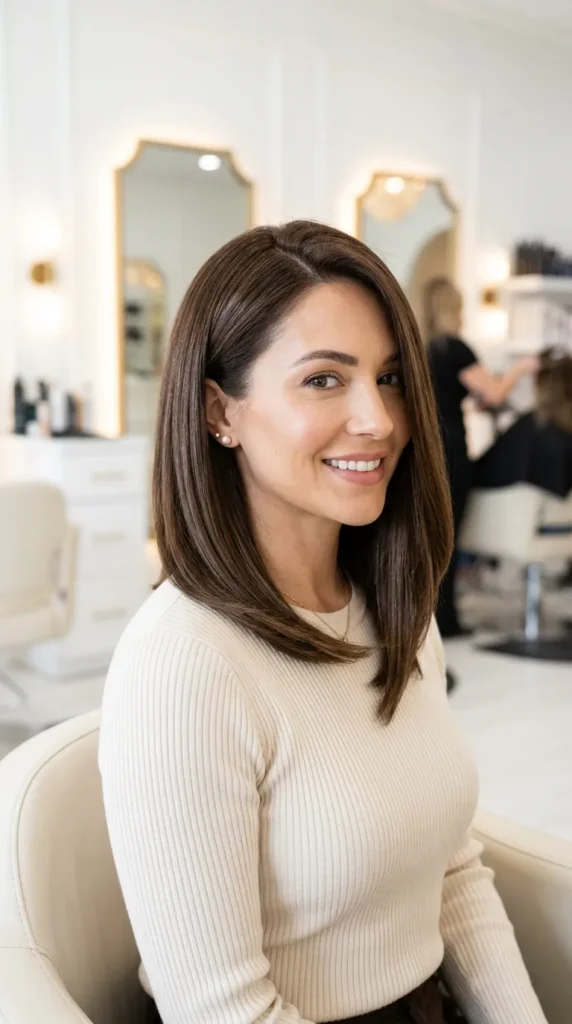
A version with more overall length, often reaching the collarbone on the longer side, offering more styling versatility while still showcasing the asymmetrical shape. This length also makes it easier to transition into a more even bob later if desired.
Long asymmetrical bobs give more room for styling options, including waves or curls, while still maintaining the distinctive uneven silhouette. This versatility makes the cut suitable for both casual and formal occasions.
14. Asymmetrical Bob with Face Framing Emphasis
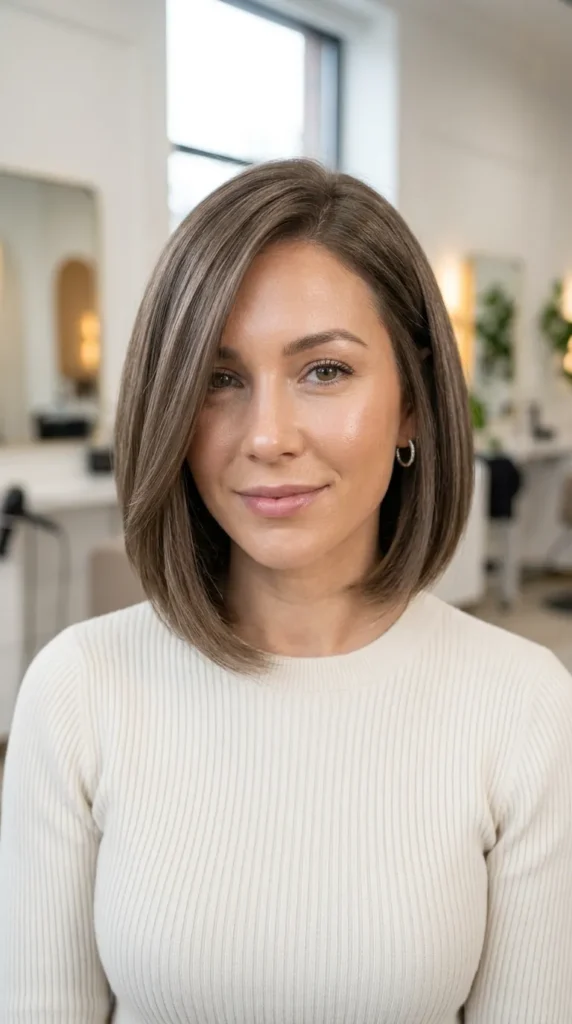
A version where the longer side is styled to specifically frame and highlight one side of the face, creating an intentional, sculptural effect around the features. Bringing reference photos to your appointment also helps communicate exactly how much emphasis you want.
Face framing emphasis works best when discussed clearly with your stylist, since the placement should genuinely flatter your specific bone structure. A consultation beforehand makes this conversation much easier to navigate.
15. Asymmetrical Bob for Round Faces
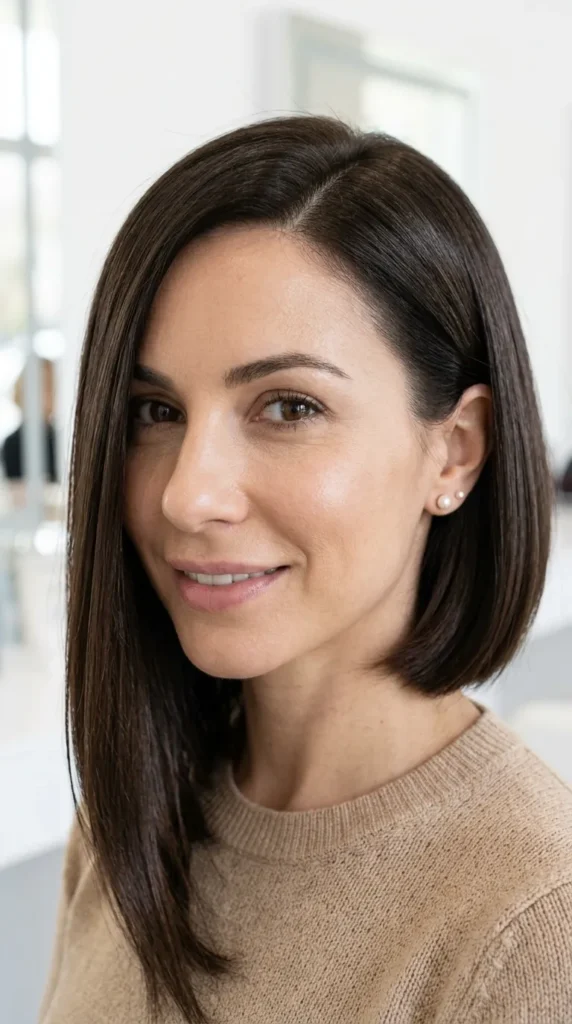
A version adjusted specifically for a rounder face shape, using the longer side to add visual length and avoid unnecessary width around the cheeks. This customization helps ensure the cut genuinely flatters rather than simply following a general trend.
Rounder face shapes benefit from an asymmetrical bob where the longer side extends past the jawline, creating an elongating visual effect. This length placement draws the eye downward for a slimming impression.
16. Asymmetrical Bob for Square Faces
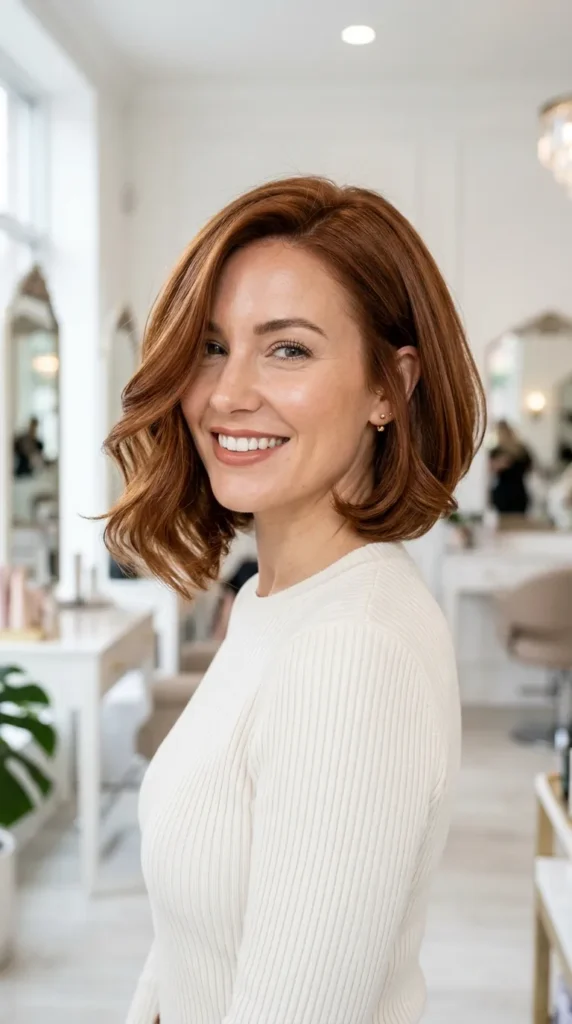
A version designed to soften the strong angles of a square face, using softer, more rounded ends along the shorter side rather than a completely blunt edge. This thoughtful adjustment helps the overall shape feel considered rather than generic or one size fits all.
Square face shapes benefit from slightly rounded ends at the shorter length, softening the overall angular quality of the jawline. This subtle rounding creates a noticeably softer overall impression.
17. Asymmetrical Bob for Oval Faces
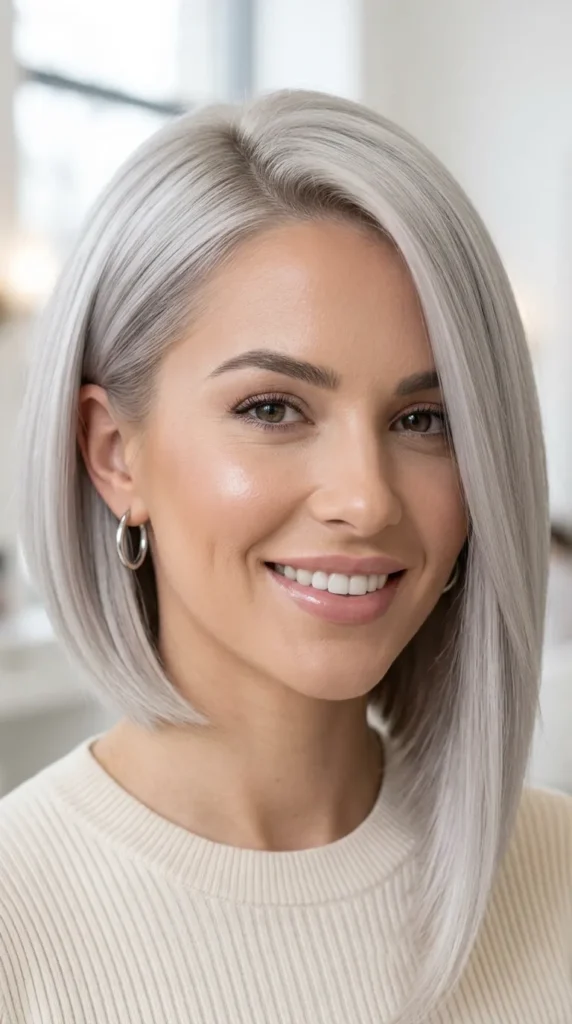
A version that suits oval face shapes particularly well, since nearly any degree of asymmetry works with this naturally balanced, versatile shape. This flexibility makes oval face shapes an especially forgiving canvas for experimenting with the cut.
Oval faces offer the most flexibility with this cut, allowing for bolder asymmetry and more dramatic length differences than other shapes typically allow. This makes oval faces a great starting point for experimentation.
18. Asymmetrical Bob with a Side Part
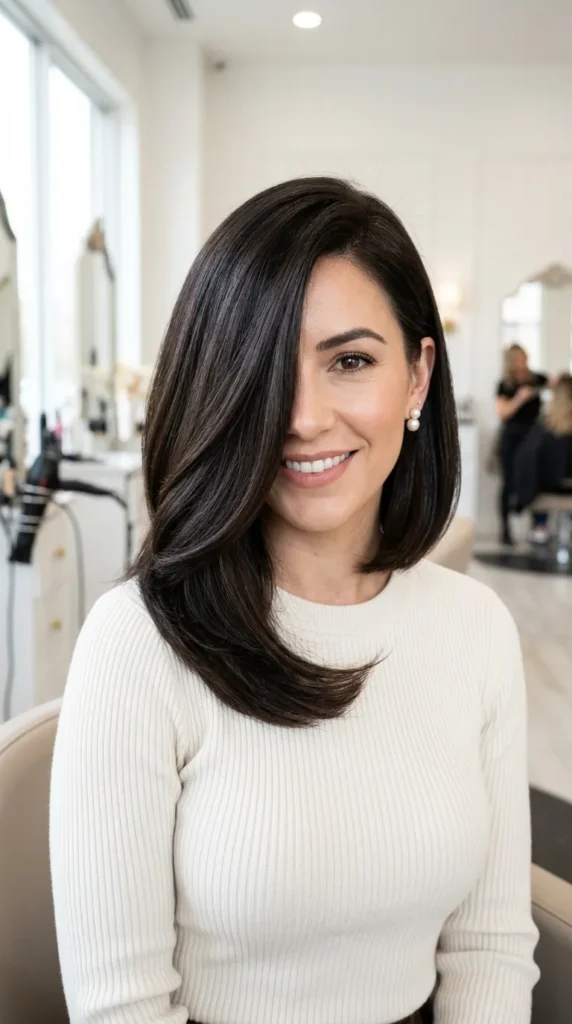
A version paired with a deep side part, adding extra volume and drama to the longer side while emphasizing the overall asymmetry of the cut. This dramatic pairing works especially well for people wanting a bit more volume and visual drama overall.
A deep side part enhances the asymmetrical effect, since it naturally draws more hair toward the longer, more dominant side of the cut. This combination creates a noticeably more dramatic overall silhouette.
19. Asymmetrical Bob with a Middle Part
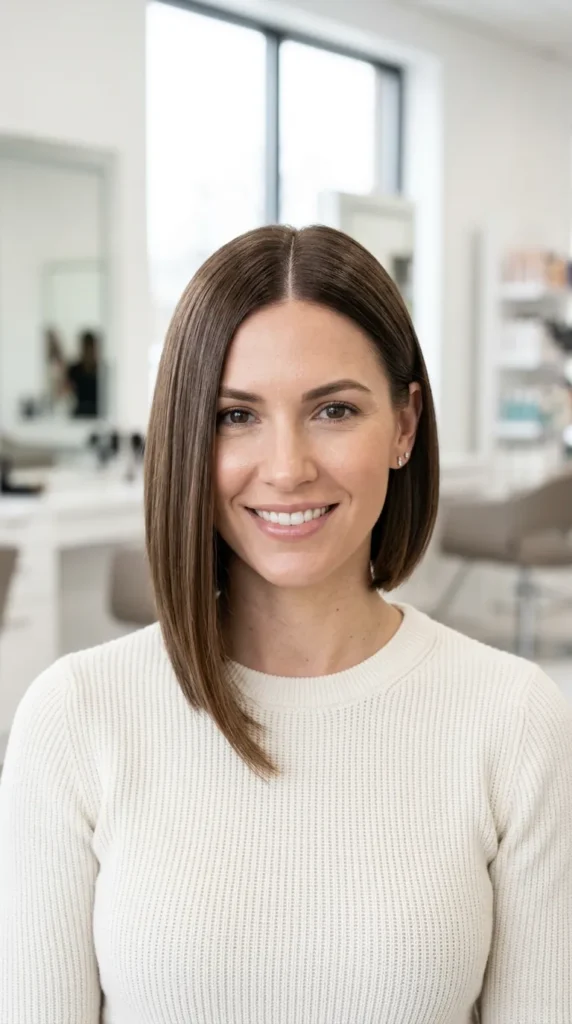
A version paired with a centered part, creating a slightly more balanced overall look despite the uneven length between the two sides. This balanced pairing suits people wanting a slightly more classic, symmetrical starting point for the style.
A middle part with this cut offers a nice contrast, softening the drama of the asymmetry while still showing off the uneven silhouette clearly. This balance suits people wanting a slightly more subdued daily look.
20. Asymmetrical Bob with Bangs
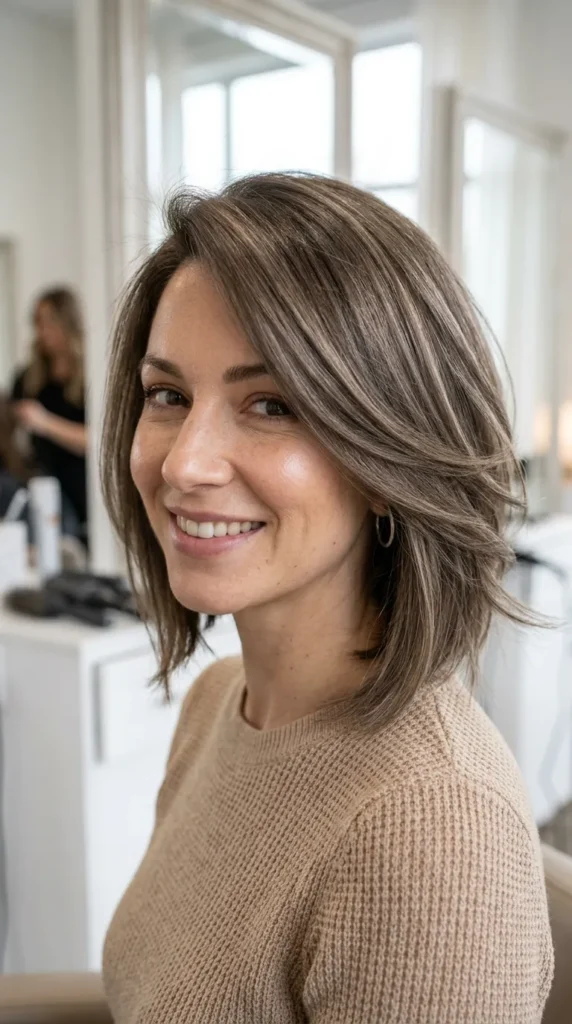
A version combined with face framing or full bangs, adding another dimension of visual interest to the already dynamic silhouette of the cut. This combination creates a genuinely dynamic, fully considered overall look throughout the entire cut.
Bangs paired with an asymmetrical bob should be coordinated carefully with your stylist, ensuring the two elements complement rather than compete with each other. Discussing both elements together prevents an overly busy overall finish.
21. Asymmetrical Bob with a Textured Finish
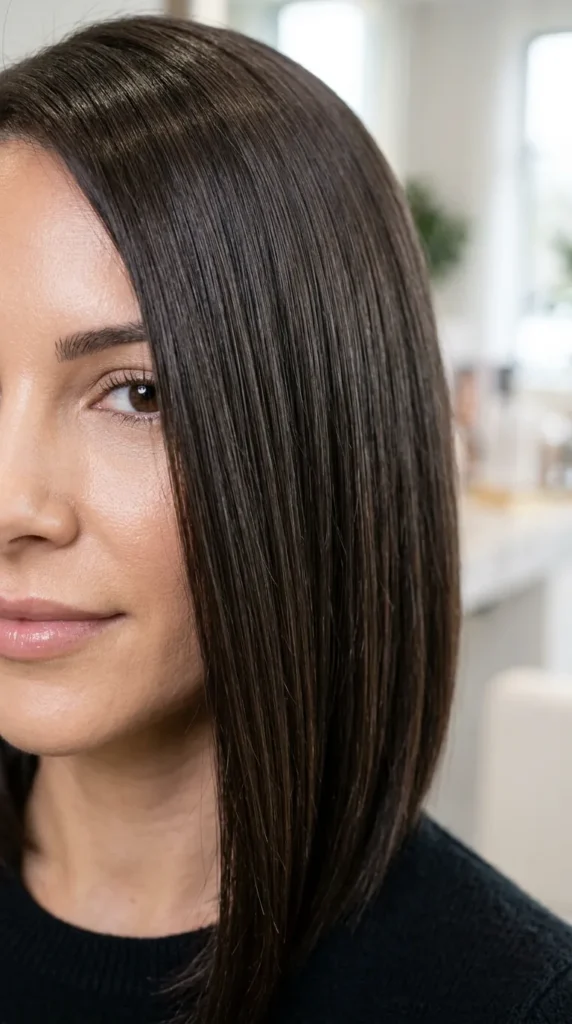
A version styled with plenty of texture and movement, using a texturizing product to break up the sharpness of the cut line for a softer, more lived in finish. This relaxed finish suits people wanting an everyday wearable version of an otherwise graphic cut.
A texturizing paste worked through the ends helps soften an otherwise graphic cut, giving it a more relaxed, everyday appropriate finish. A small amount goes a long way toward this softened effect.
22. Asymmetrical Bob with a Sleek Polished Finish
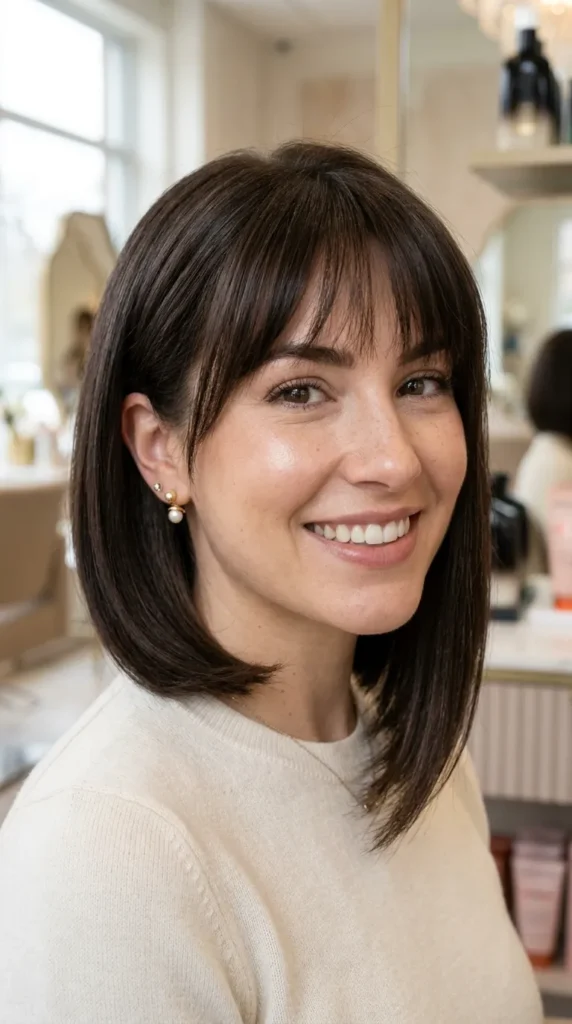
A version styled completely smooth and sleek, emphasizing the precise cut line and creating a bold, editorial looking result with maximum definition. This polished version suits formal occasions or anyone wanting a bold, editorial finish.
A sleek finish requires a strong flat iron pass and finishing serum, ensuring the cut line reads as crisply as possible. This polished approach works especially well for formal occasions and photographs.
23. Asymmetrical Bob with Undercut Detail
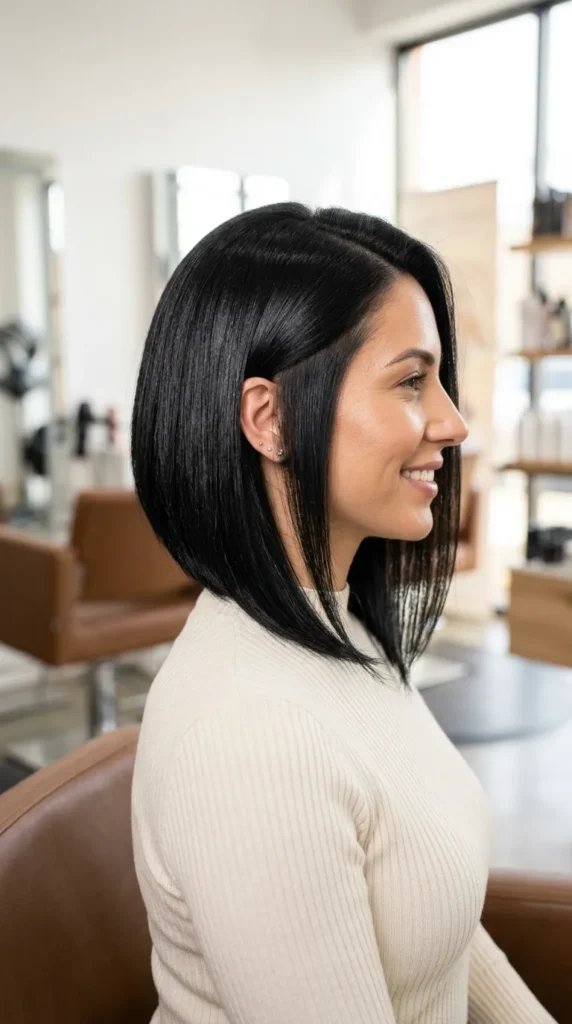
A version incorporating a hidden undercut on the shorter side, adding an edgier, more unexpected detail beneath the visible top layer of hair. This hidden detail adds an unexpected element of edge to an already striking overall cut.
An undercut detail suits people wanting a bit of hidden drama, since the shaved section only shows when the hair is styled up or moved.
24. Asymmetrical Bob with Color Contrast
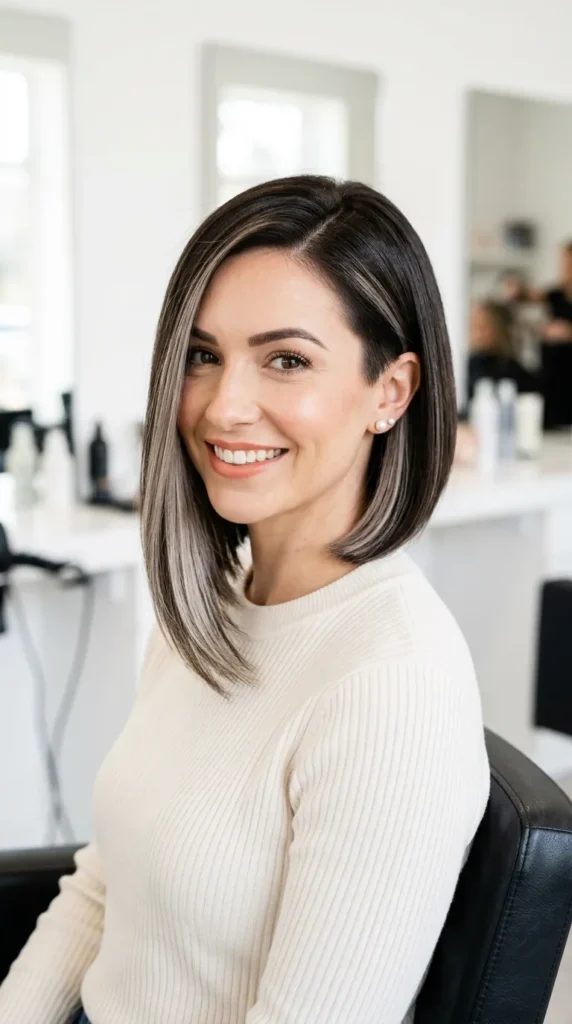
A version paired with a bold color placement, using a different shade or highlight specifically on the shorter or longer side to emphasize the asymmetry further. This bold pairing works especially well for people wanting a truly unique, statement making overall look.
Color contrast between the two sides creates a striking, intentional effect, though it requires careful planning with your colorist beforehand.
25. Asymmetrical Bob with Balayage
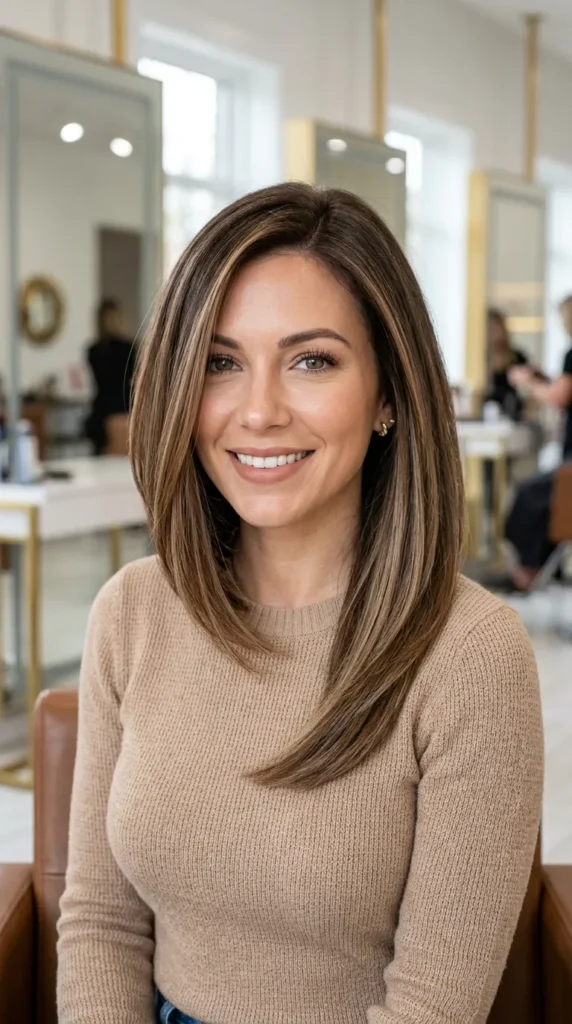
A version incorporating soft balayage throughout, adding dimension and movement that complements the graphic shape of the cut rather than competing with it. This dimensional pairing suits people wanting depth and movement alongside the graphic shape of the cut.
Balayage on an asymmetrical bob should be placed thoughtfully, since the color needs to enhance rather than obscure the distinct cut line.
26. Asymmetrical Bob for Fine to Medium Hair
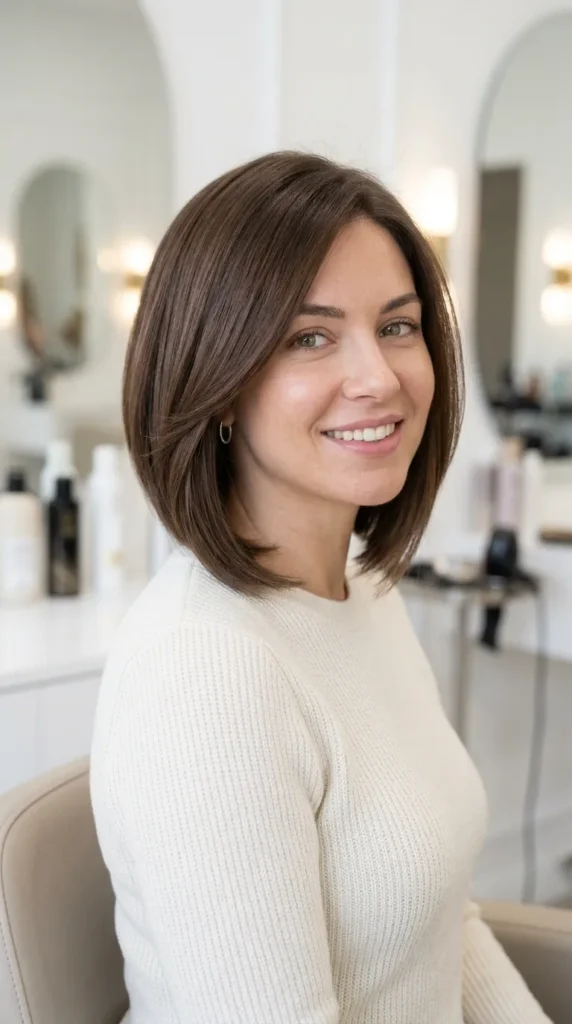
A version specifically balanced for fine to medium hair density, using the asymmetrical line itself to create shape without requiring heavy layering throughout. This density range often produces one of the most balanced, wearable versions of the entire cut.
This density range holds the cut particularly well, since the natural body of the hair supports the shape without much additional styling effort.
27. Asymmetrical Bob Inspired by Celebrities
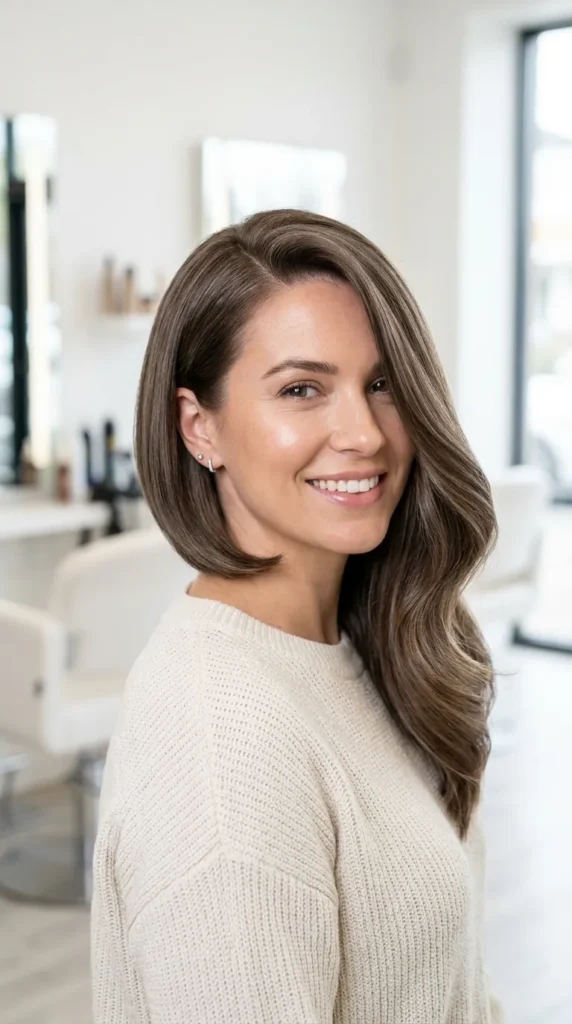
A version adapted from a specific celebrity reference, taking a particular angle or length difference you admire and translating it for your own hair texture. Discussing the reference openly with your stylist helps translate the inspiration accurately for your own hair.
Celebrity inspired asymmetrical bobs work best when you choose a reference with a similar starting hair texture and density to your own.
28. Asymmetrical Bob for Low Maintenance Styling
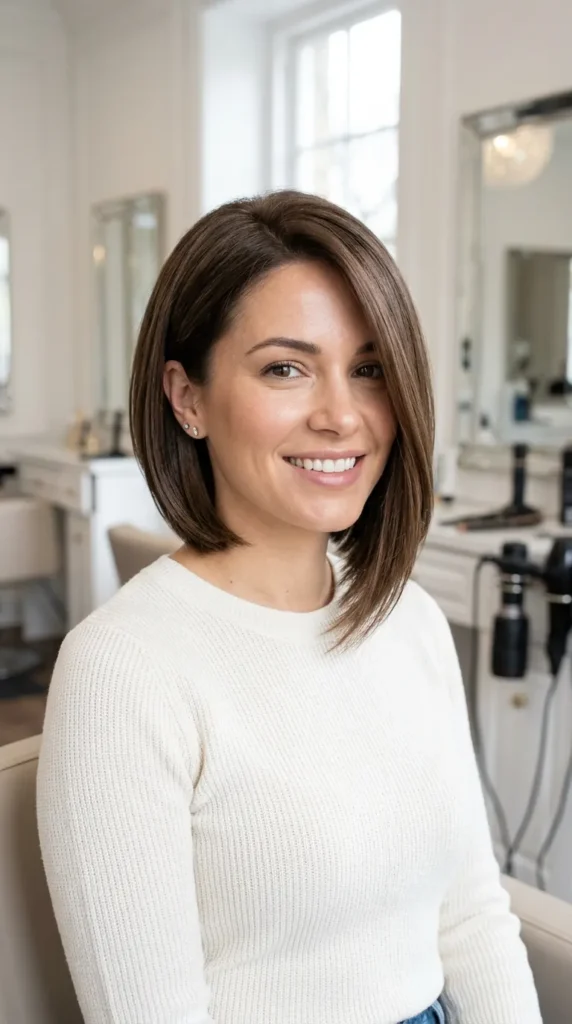
A version designed to hold its shape with minimal daily effort, relying on precise cutting rather than heavy daily styling to maintain the silhouette. This practical version suits people with busy schedules who still want a bold, intentional looking cut.
A genuinely low maintenance asymmetrical bob depends heavily on the precision of the original cut, since the shape needs to look intentional even unstyled.
29. Asymmetrical Bob for Daily Heat Styling
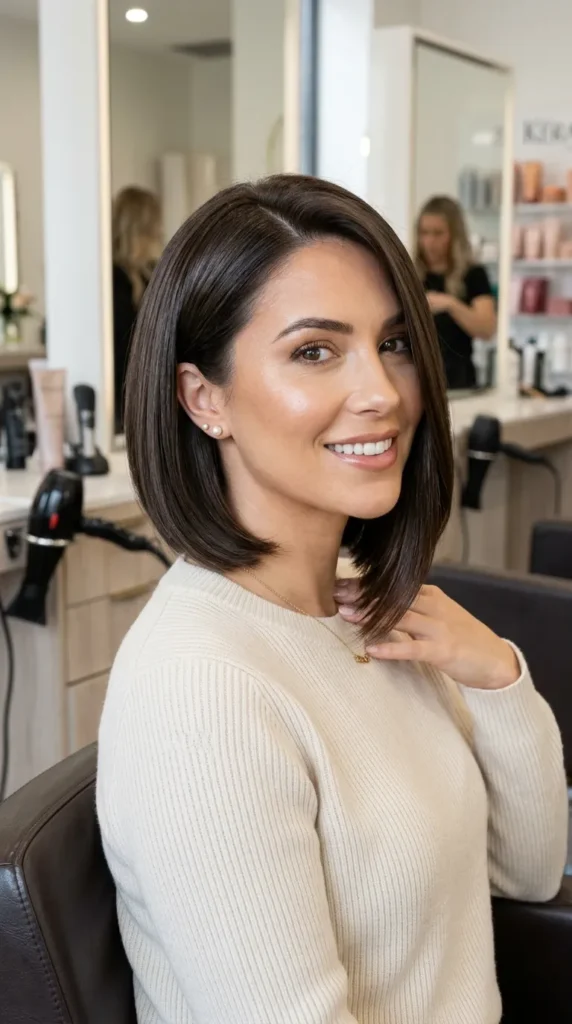
A version built for people who style with heat tools regularly, using a cut that responds well to blow drying, curling, or straightening for added definition. Investing in quality heat tools also helps preserve hair health despite frequent daily styling.
Regular heat styling on an asymmetrical bob benefits from a strong heat protectant, since the shorter side is often more exposed to direct heat.
30. Asymmetrical Bob Maintenance and Trim Schedule
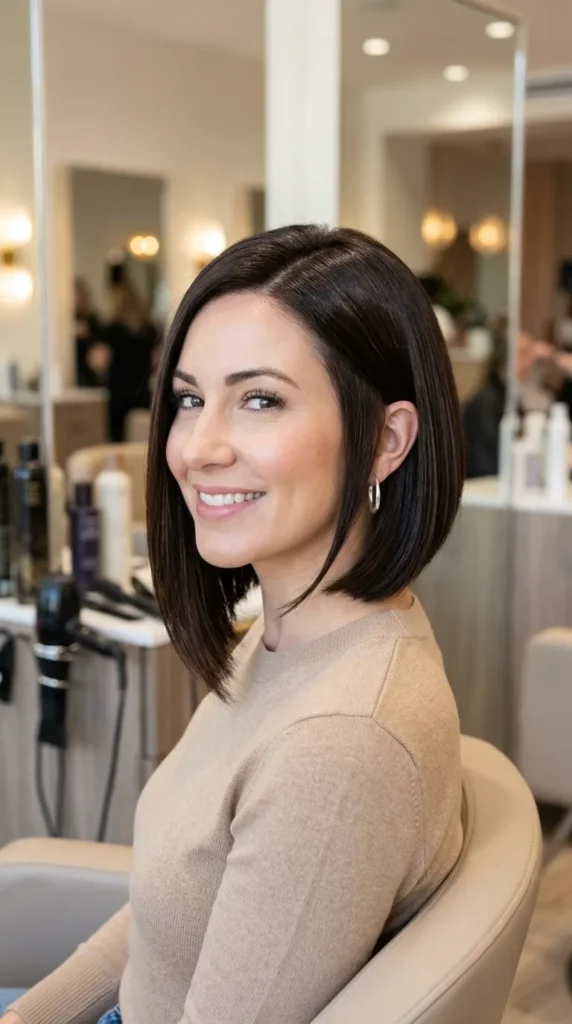
Understanding the upkeep required to maintain the distinct shape of this cut, since growth affects the shorter and longer sides differently over time. Staying consistent with this schedule keeps the overall shape from growing out unevenly between appointments.
An asymmetrical bob generally needs a trim every four to six weeks to maintain the precise, defined line the cut depends on.
31. Asymmetrical Bob for Confidence and Edge
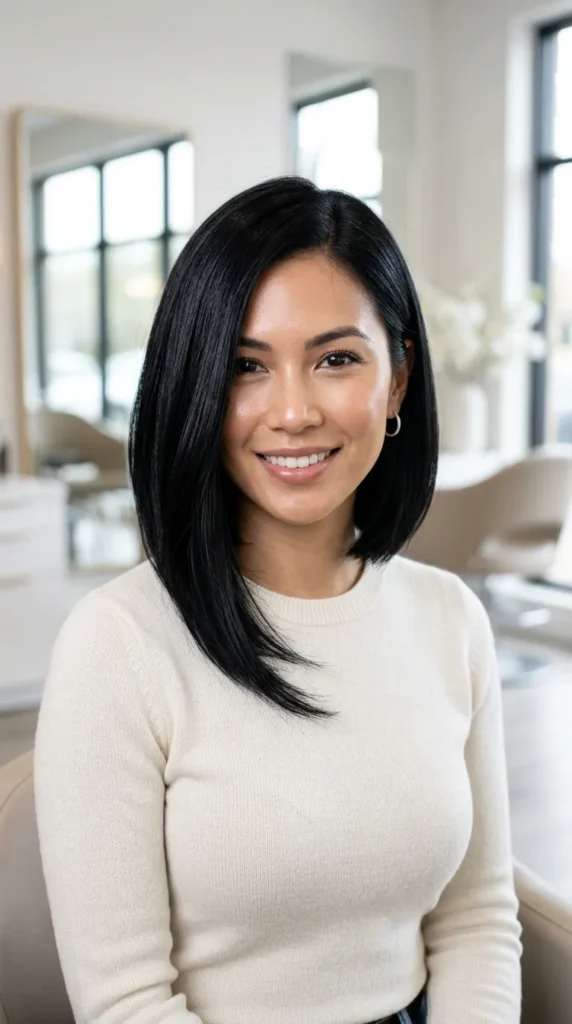
A version that creates an instant sense of edge and confidence, offering a bold, intentional shape without requiring a dramatic change in overall length. Many people find that a cut like this genuinely shifts how they feel about their appearance day to day.
This cut is a genuinely transformative choice for people wanting more personality and visual interest in their everyday hairstyle.
32. Asymmetrical Bob for Growing Out Other Cuts
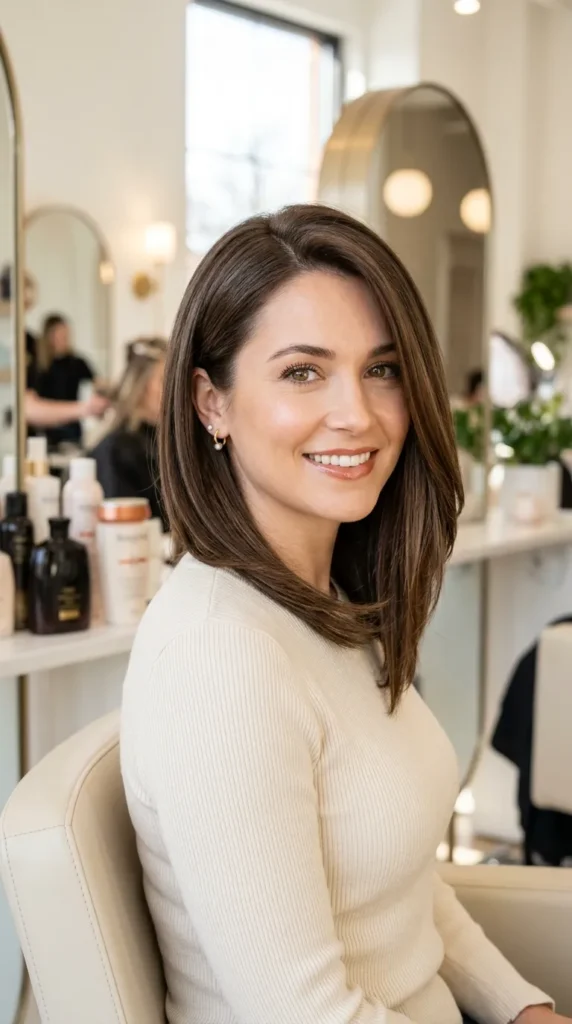
A version used strategically as a transitional cut, helping shape hair attractively while it grows out from a shorter pixie or bob into something longer. Regular trims during this phase also help avoid an awkward, shapeless stage between styles.
This approach makes the growing out process far more stylish, since the asymmetry keeps the shape looking intentional at every stage of length.
33. Finding Your Asymmetrical Bob Stylist
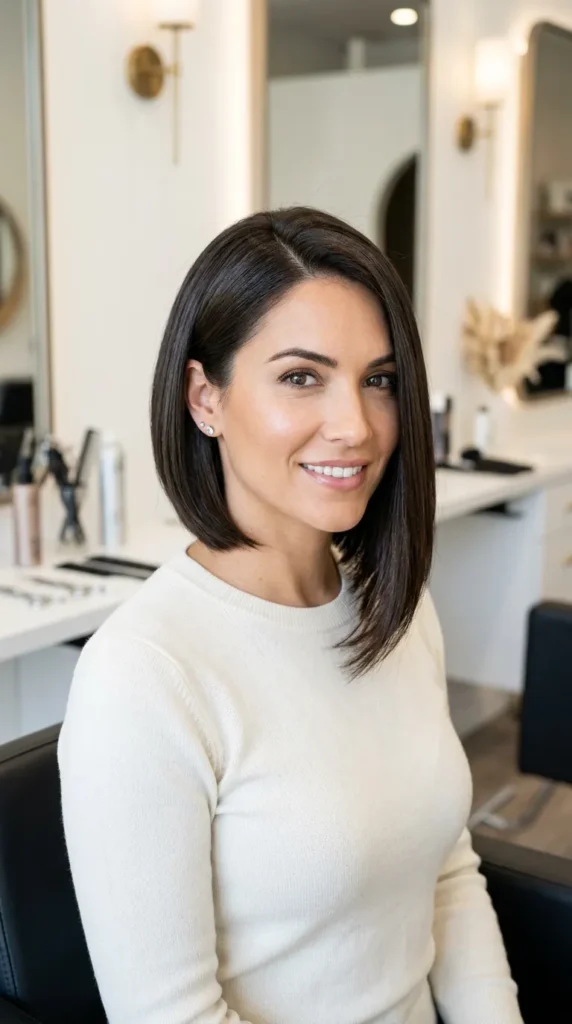
The importance of finding a stylist experienced specifically with precise, angular cutting, since the technique requires confident scissor work and an understanding of exact proportion. Scheduling a consultation beforehand also helps set clear expectations about maintenance before committing to the cut.
Look for stylists who showcase asymmetrical bob transformations specifically in their portfolio, confirming their experience with this exact technique before booking.
Making the Asymmetrical Bob Work For You
The asymmetrical bob remains one of the boldest, most expressive haircuts available, offering shape and movement that a traditional even bob simply cannot replicate. The degree of asymmetry, the cut line, and the overall finish can all be tailored for nearly any hair type, face shape, and personal style once approached thoughtfully. The result can range from barely there contrast to a striking, unmistakable statement depending entirely on your preference.
Choose a stylist experienced with precise, angular cutting specifically. Communicate clearly about the degree of length difference you actually want. Be prepared for regular trims to maintain the defined shape of the cut. Then enjoy the bold, endlessly expressive charm of a truly well done asymmetrical bob, a cut that continues to stand out precisely because it refuses to look ordinary.