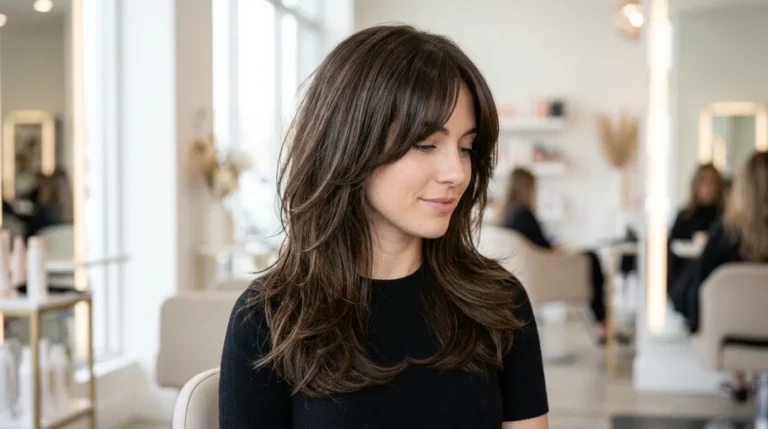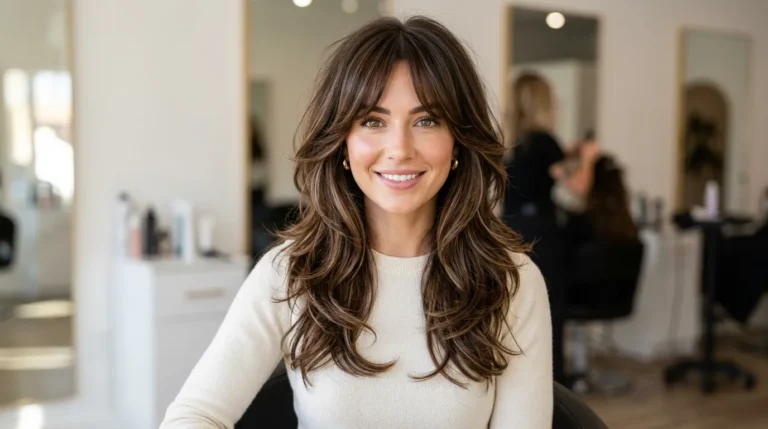
35 Layered Haircut Ideas That Add Movement
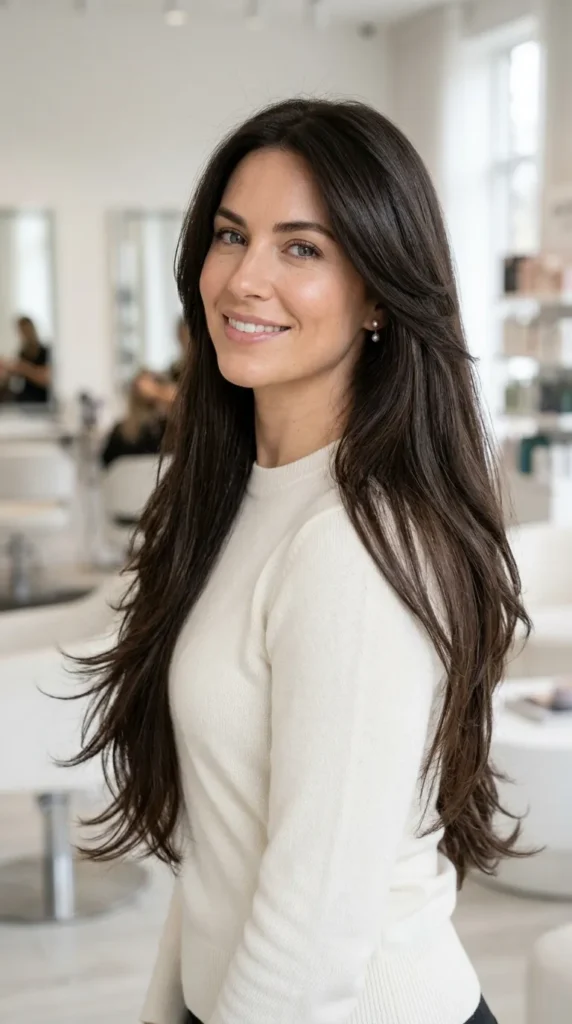
The layered haircut is genuinely one of the most reliable techniques in all of hairstyling. It is not a single look. It is a foundational method that can transform almost any length, texture, or face shape into something more dynamic and alive. Layers work by removing weight strategically, allowing hair to move, bounce, and catch light in a way that a single blunt length simply cannot. A good layered haircut makes hair feel lighter and look fuller at the same time. A poorly cut set of layers can leave hair looking choppy, uneven, or oddly shaped. The difference is understanding where weight needs to be removed, how much movement your hair can genuinely handle, and what layering style actually complements your face and lifestyle. These thirty five layered haircut approaches show you nearly every way this technique can be applied, from soft barely there layers to dramatic heavily textured shag layering. Whether you have fine or thick hair, whether you want subtle movement or a bold transformation, whether your hair is short, medium, or long, there is a layered approach here that works for you. Let me show you what layered haircuts actually are and how to make them work for your life.
1. Classic Face Framing Layers
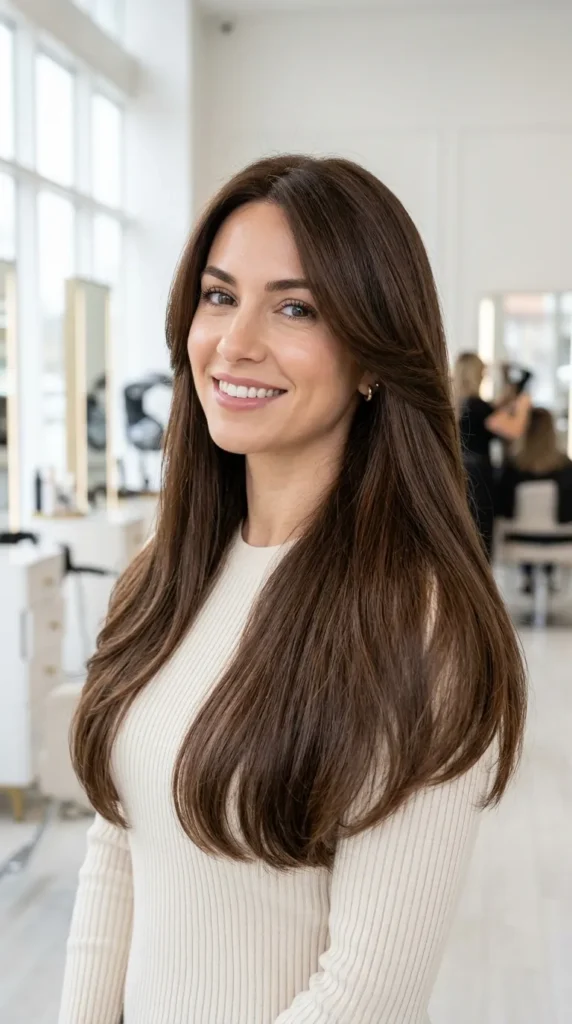
Layers concentrated specifically around the face, softening features and creating gentle movement near the cheeks and jawline. This approach keeps the rest of the length intact while still introducing dimension exactly where it shows most in everyday photos and conversation.
This style works beautifully for people who want a subtle refresh without committing to an entirely new haircut. The face framing sections can be as short or long as you prefer, and stylists often customize the exact placement based on where your cheekbones and jawline naturally sit.
Ask your stylist to keep the framing pieces slightly longer than you think you want, since they tend to look shorter once dry and styled.
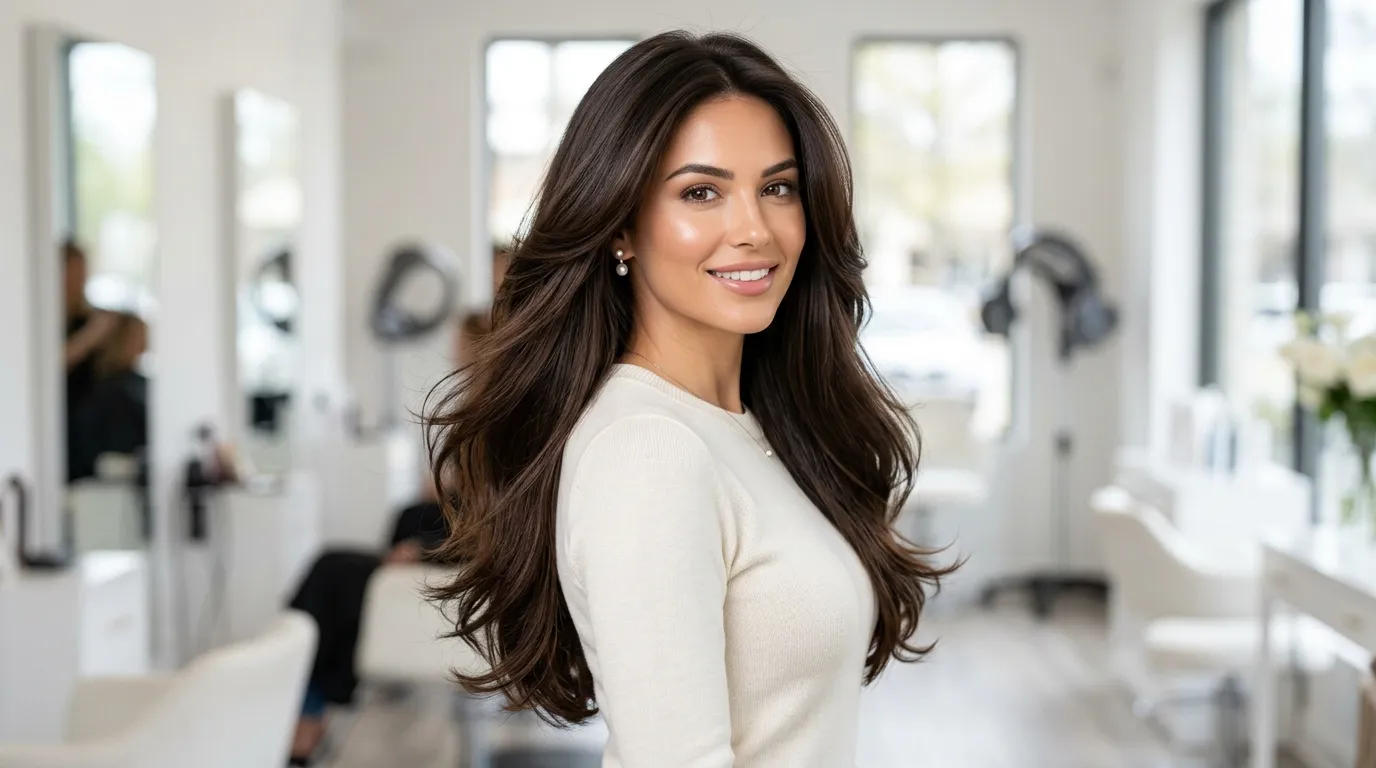
2. Long Layered Haircut
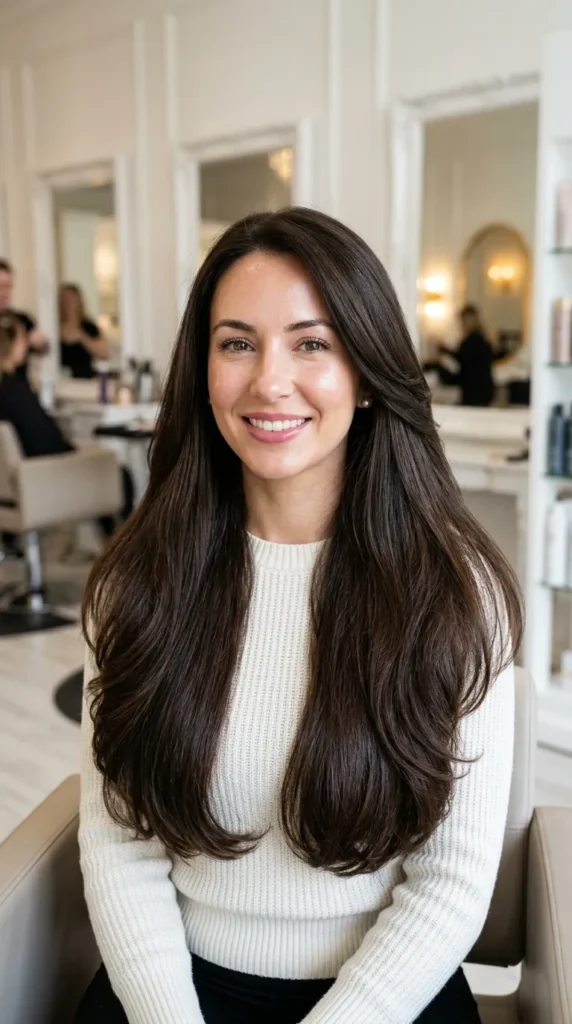
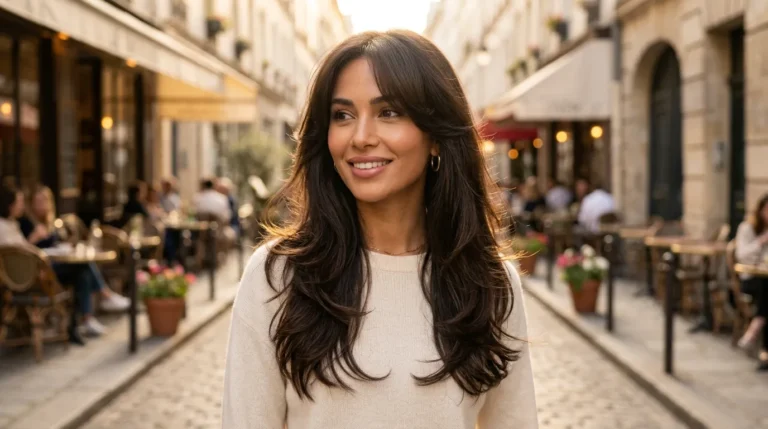
Layers cut throughout long hair, removing bulk from the ends while preserving overall length. This prevents long hair from feeling heavy or stagnant, letting it swing and move naturally with every step and turn of the head.
Long layers work especially well for hair that tends to feel weighed down by its own length. Removing internal weight rather than shortening the overall cut keeps the length you love while introducing genuine bounce and dimension throughout.
Regular deep conditioning treatments help maintain the health of long layered ends, since the layering process exposes more hair to daily wear and friction.
3. Medium Length Layered Cut
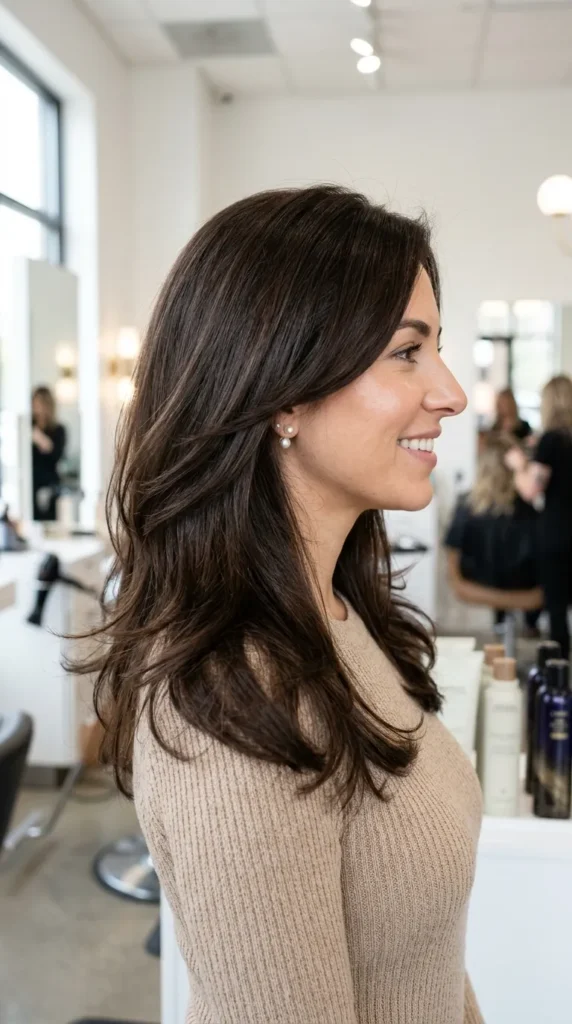
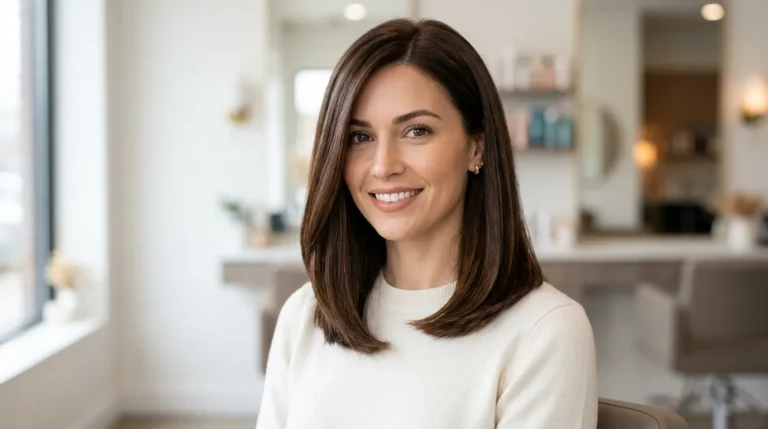
Layers applied to shoulder length hair, creating a balanced shape that feels neither too short nor too long. This length showcases layering especially well since movement is visible without the weight of extended length pulling everything flat.
Medium length layers are often considered the most versatile option, since they suit nearly every hair texture and face shape. This length also transitions easily between casual everyday styling and more polished occasion ready looks.
This length also works exceptionally well for people transitioning between short and long hair, offering a flattering stopping point along the way.
4. Short Layered Pixie
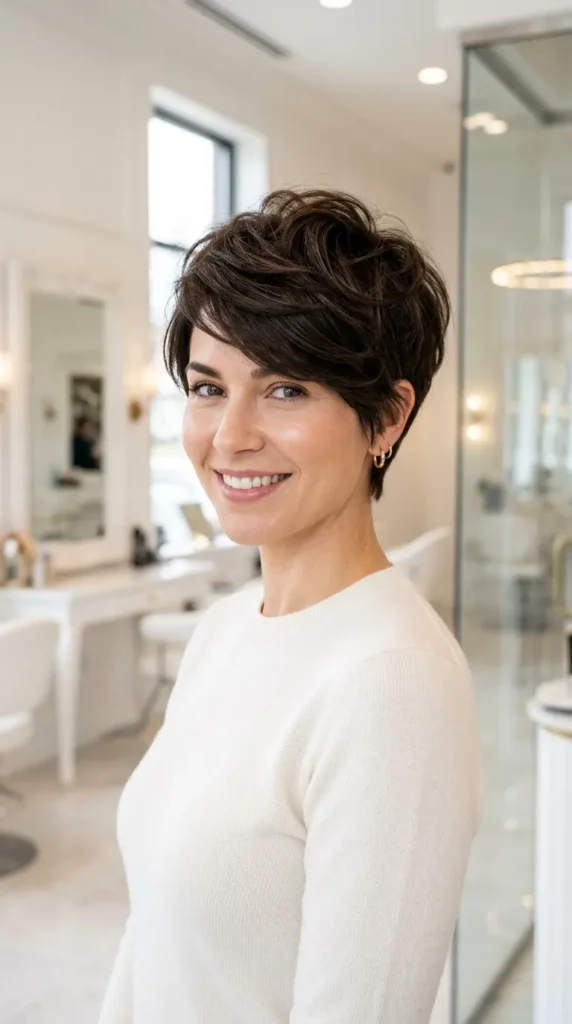
A pixie cut built almost entirely from short layers, creating texture and lift throughout the crown. This approach removes nearly all excess weight, resulting in an airy, energetic shape that looks intentional rather than accidental.
Short layered pixies require precise cutting since there is very little length to hide any unevenness. A skilled stylist uses point cutting and texturizing shears to build shape gradually rather than removing too much at once.
Root touch ups become especially important with short layered pixies, since new growth is far more noticeable against such a compact overall shape.
5. Feathered Layers
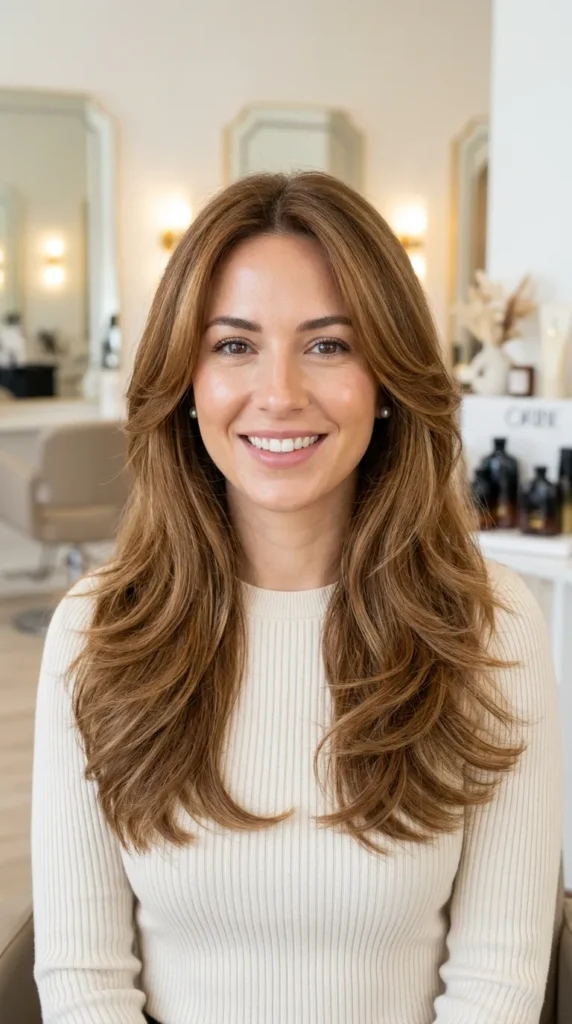
Layers cut with a soft, feathered technique that blends seamlessly rather than creating harsh lines. Feathering distributes movement evenly throughout the hair, giving it a gentle, wind blown quality that feels effortless and natural.
Feathered layering tends to age beautifully as hair grows out, since the soft blending prevents any obvious grow out line from appearing. This makes it a genuinely low maintenance choice for busy schedules.
Feathered layers also work beautifully on hair that has some natural texture already, since the technique enhances rather than fights existing movement.
6. Shag Layered Cut
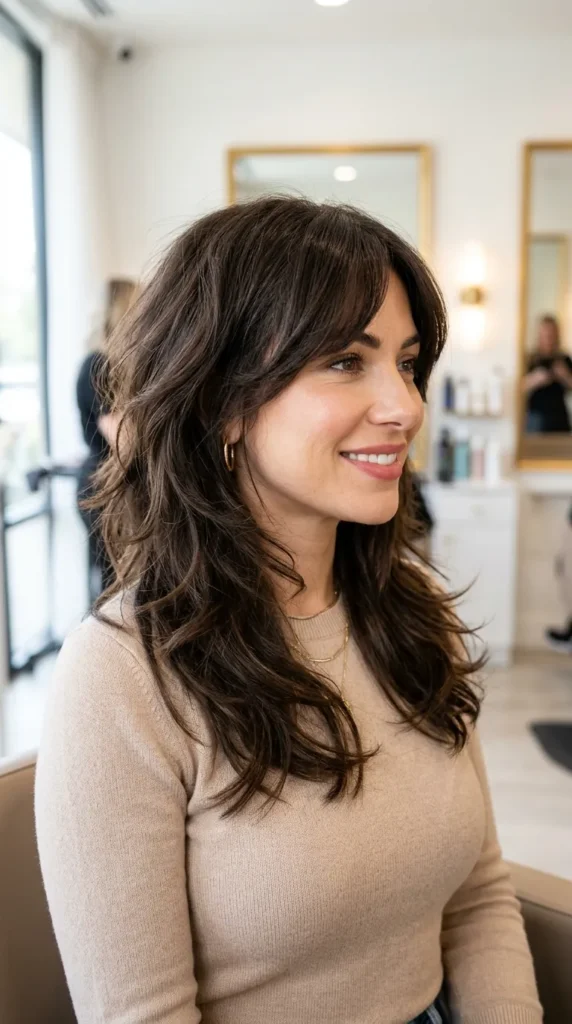
A heavily layered shag haircut with choppy, textured sections throughout. This bold approach creates maximum movement and an undone, rock and roll quality that feels edgy and distinctly contemporary.
The shag has returned as one of the most requested layered cuts, largely because it photographs beautifully and works with minimal styling effort. Texturizing spray or a light mousse enhances the choppy texture even further.
Growing out a shag is relatively forgiving compared to more structured cuts, since the intentional messiness naturally accommodates uneven growth patterns.
7. Curtain Layers
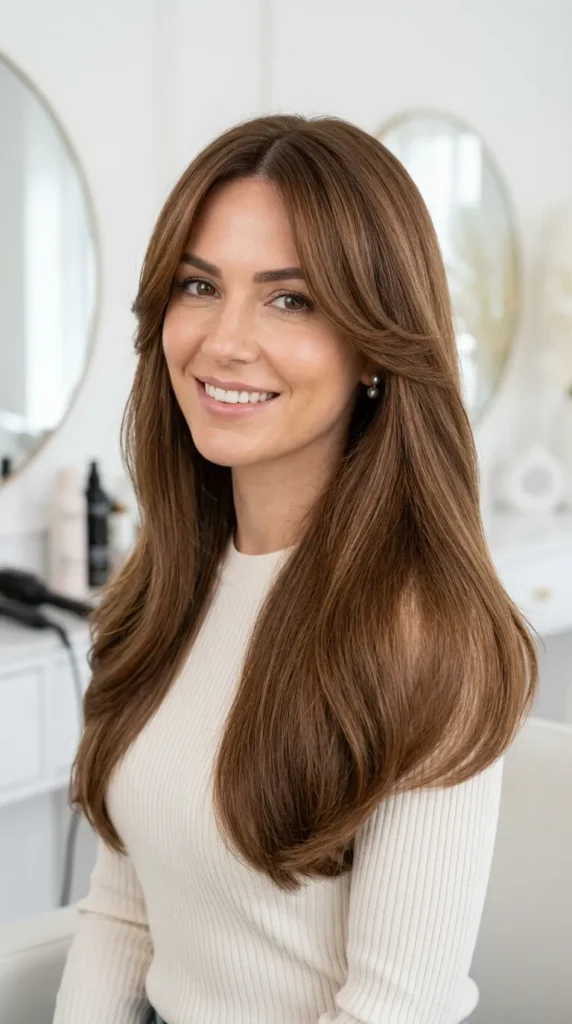
Layers that part and sweep away from the center of the face, framing it on both sides like an open curtain. This technique brightens the face and creates instant softness around the eyes and cheekbones.
Curtain layers work especially well when paired with a center part, since the symmetrical framing creates a balanced, flattering effect. They can be cut short and dramatic or long and barely noticeable depending on preference.
Curtain layers require occasional trims to maintain their framing shape, since the front sections grow at the same rate as the rest of the hair.
8. Layered Bob
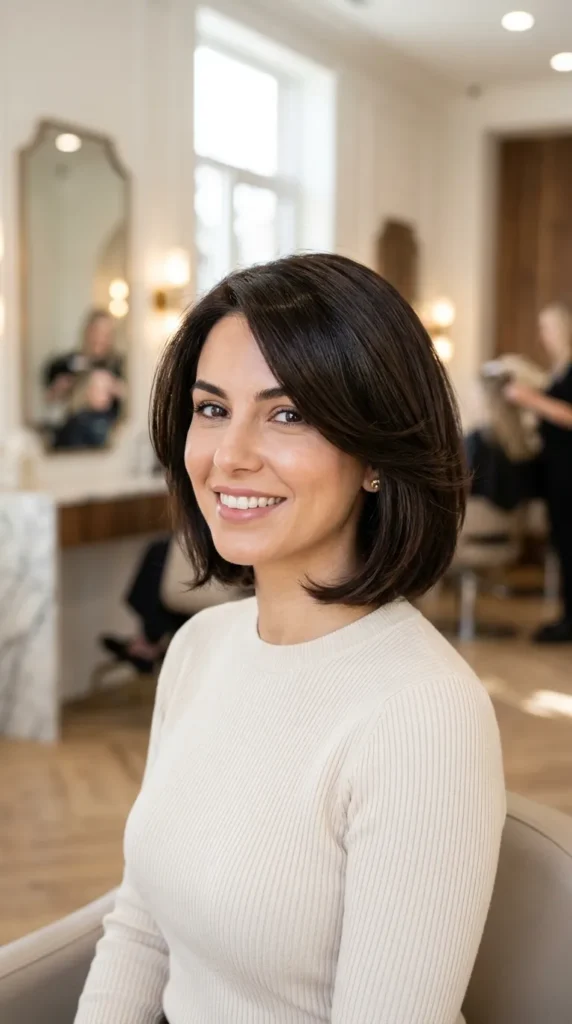
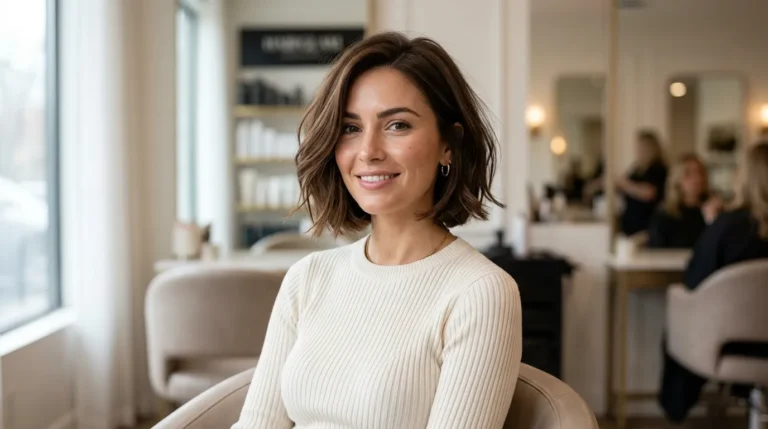
A bob haircut enhanced with internal layering, preventing the classic blunt shape from feeling heavy or stiff. The layers add bounce and movement while keeping the overall silhouette clean and structured.
A layered bob strikes a genuine balance between the polish of a blunt cut and the movement of a shag, making it one of the most universally flattering layered options available today.
A layered bob can be styled sleek and smooth or textured and tousled, offering genuine versatility from a single foundational haircut.
9. Long Layers with Face Framing Pieces
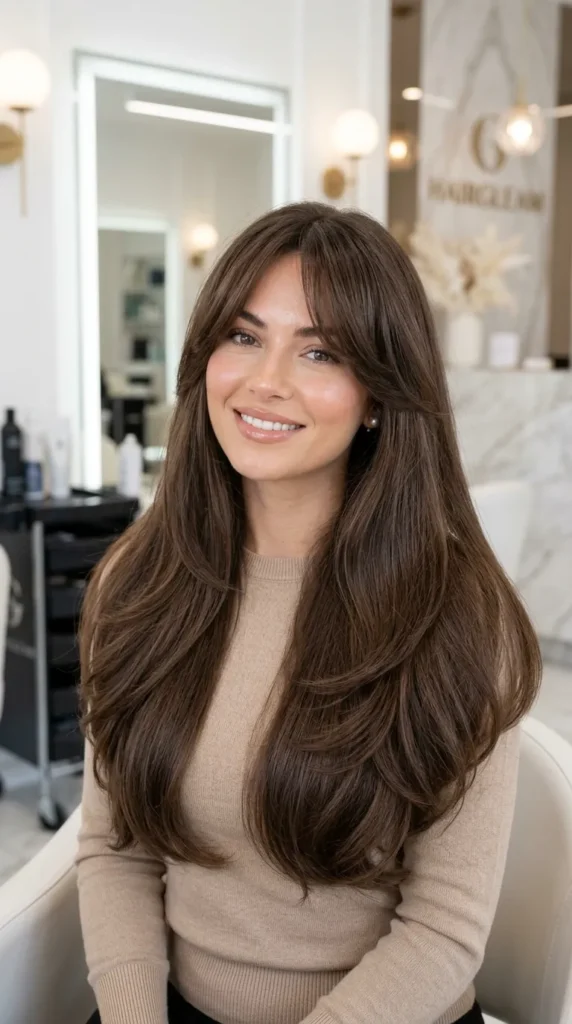
Long layered hair paired specifically with shorter, face framing sections near the front. This combination balances overall length with targeted movement exactly where it draws the most visual attention.
This combination approach lets you keep dramatic length while still enjoying the flattering benefits of shorter pieces near the face, making it a popular choice for people transitioning between two very different looks.
This approach also allows for a dramatic future change, since the shorter face framing sections can eventually be blended into a fully shorter cut if desired.
10. Choppy Layered Cut
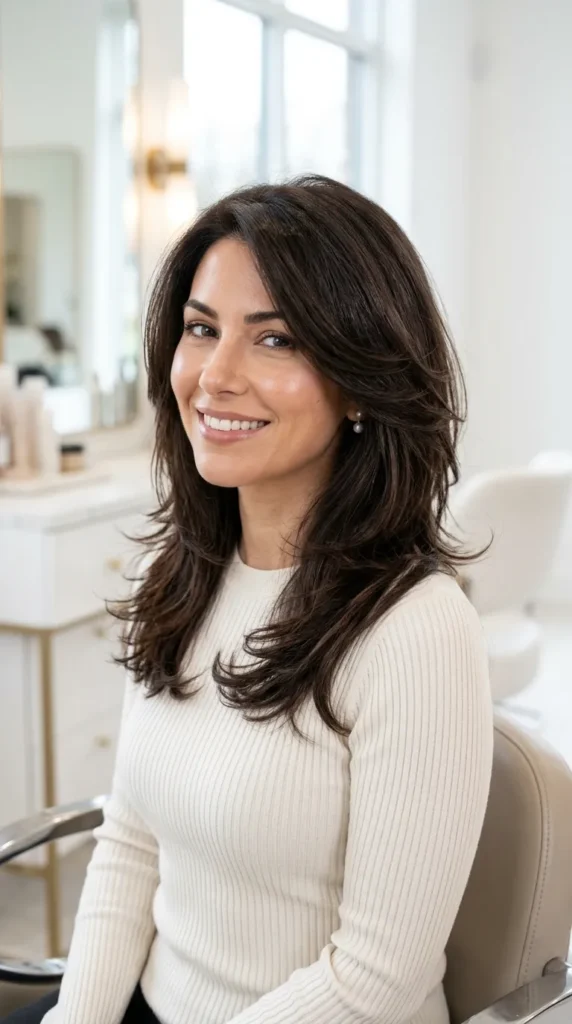
Layers cut with an intentionally choppy, uneven technique rather than smooth blending. This creates a textured, slightly rebellious quality that reads as modern and effortlessly cool.
Choppy layers benefit from being styled with texturizing products that emphasize rather than smooth over the intentional unevenness, keeping the overall effect looking deliberate rather than accidental.
This cut pairs particularly well with darker hair colors, since the choppy sections create natural looking dimension even without additional highlights.
11. Soft Blended Layers
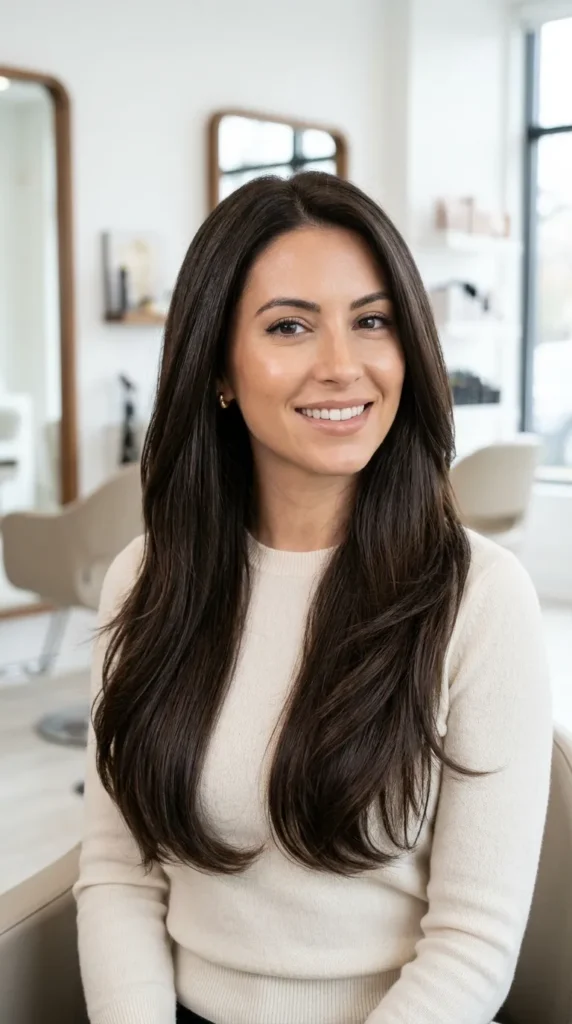
Layers cut with careful, seamless blending so no individual layer line is visible. This subtle approach creates movement without any obvious segmentation, keeping the overall look polished and understated.
Soft blended layers are ideal for workplaces or settings where a more conservative, refined appearance is preferred, while still enjoying the lightweight movement that layering provides.
This technique tends to require more frequent trims than choppier layering, since any growing out sections become noticeable more quickly against the smooth blend.
12. Layered Cut for Fine Hair
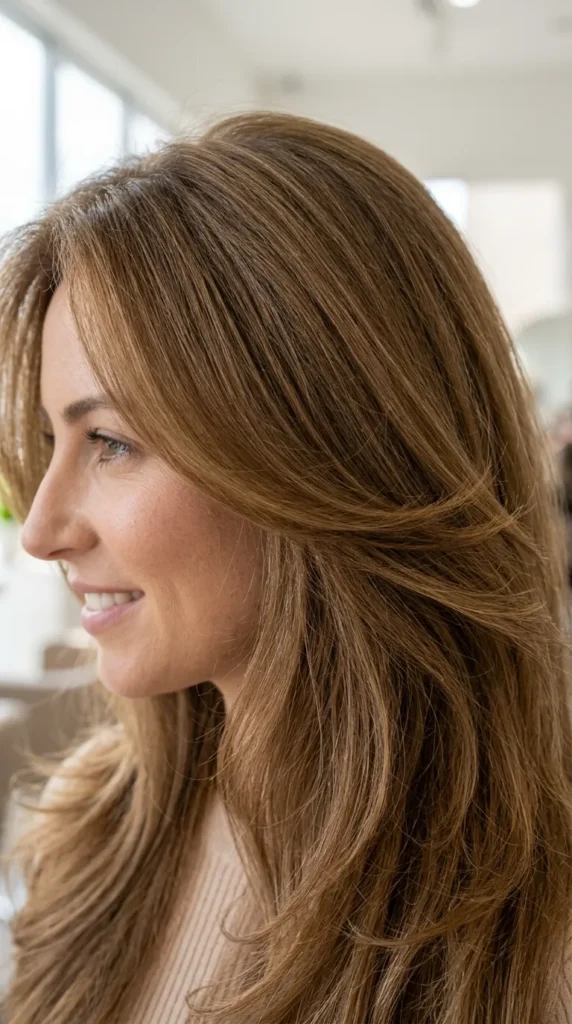
Layering technique adapted specifically for fine hair, removing weight strategically without over thinning already delicate strands. The goal here is creating the illusion of fullness rather than reducing density further.
Fine hair layering requires a lighter touch than most other hair types, since removing too much weight can leave strands looking sparse rather than voluminous. Fewer, more strategic layers usually work best.
Volumizing shampoo and lightweight mousse pair especially well with layered fine hair, adding just enough body without weighing down the delicate strands.
13. Layered Cut for Thick Hair
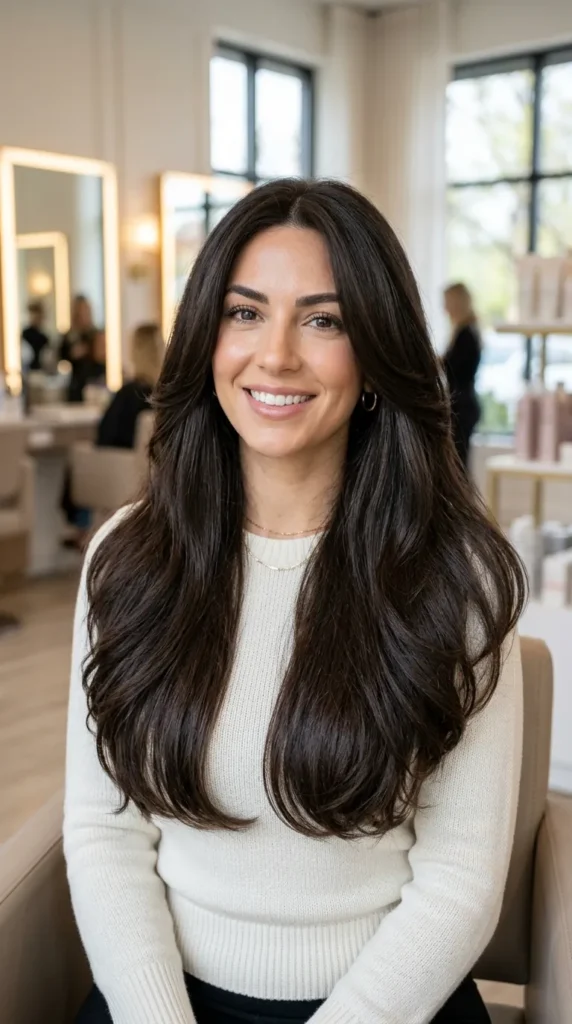
Layering technique adapted specifically for thick hair, removing significant bulk to prevent heaviness and encourage natural movement. Thick hair can typically handle more aggressive layering without looking overly thin.
Thick hair often benefits from heavier layering throughout the interior sections, since there is enough density to support significant weight removal while still looking full and healthy.
Thinning shears are often used alongside traditional layering scissors on thick hair, helping remove bulk evenly throughout the interior sections.
14. Layered Cut on Curly Hair
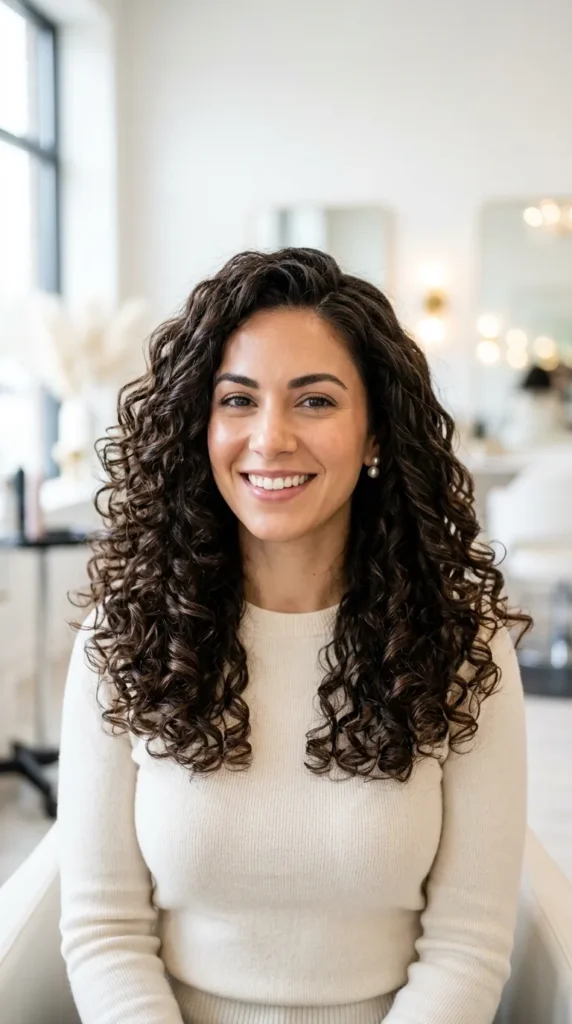
Layers cut specifically to enhance natural curl pattern, following the way curls spring and fall rather than cutting against them. This approach allows each curl to bounce independently rather than clumping into one heavy mass.
Curly hair is often cut dry when layering, since curls behave very differently once they spring back up compared to how they hang when wet, making dry cutting a more accurate technique.
Curly layered cuts often benefit from a check in appointment a few weeks after the initial cut, allowing the stylist to adjust any sections that settled differently than expected.
15. Layered Cut on Wavy Hair
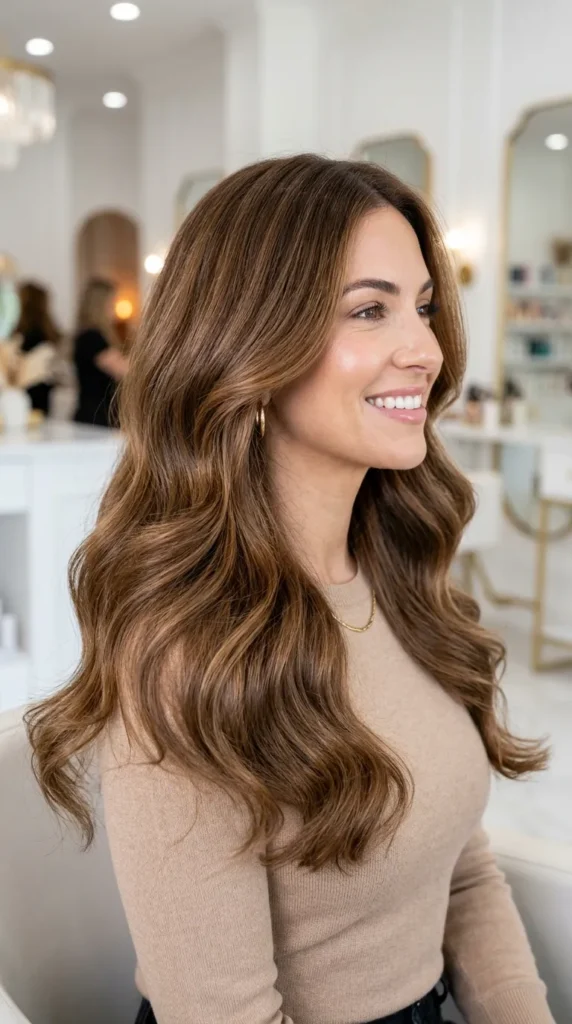
Layers cut to complement natural waves, enhancing their movement rather than flattening them out. This technique lets waves cascade more freely, creating a soft, beachy quality throughout the hairstyle.
Wavy hair layering benefits from a slightly longer layering technique compared to straight hair, since waves need enough length to fully express their natural bend and movement.
Sea salt spray or a lightweight texturizing product enhances the natural bend of wavy layered hair without weighing down the movement.
16. Layered Lob
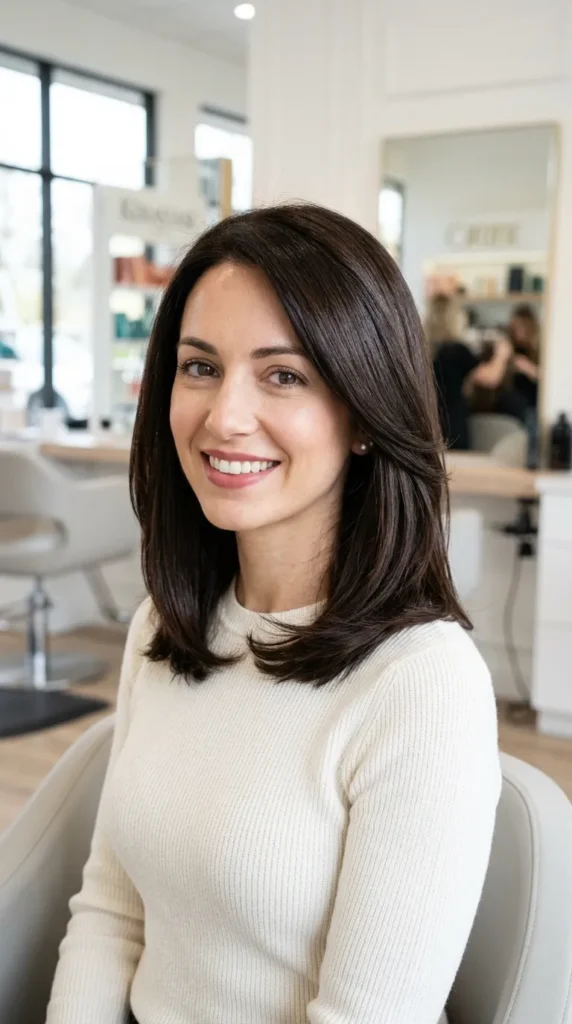
A long bob enhanced with layering throughout the length, creating a shape that feels modern and versatile. This popular length benefits enormously from layers since it prevents the cut from looking stiff or one dimensional.
The layered lob has remained popular for years because it offers the polish of a bob with far more styling flexibility, working equally well straight, wavy, or curled.
The layered lob also transitions particularly well between seasons, working equally well pulled back in warmer months or worn down in cooler weather.
17. Layered Cut with Bangs
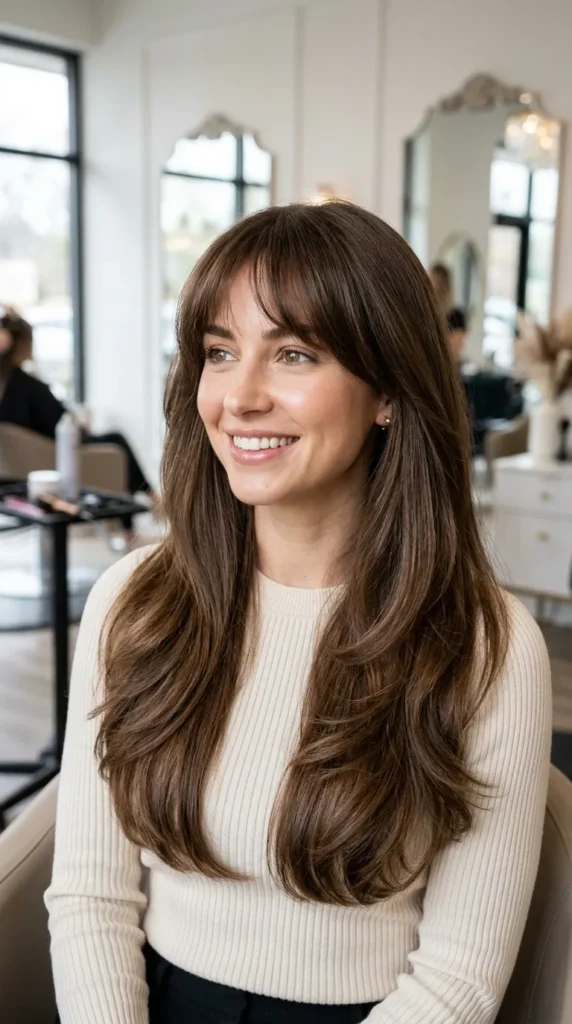
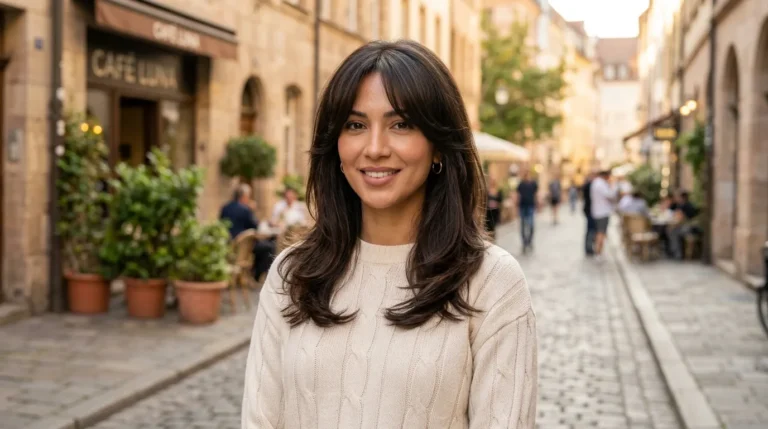
Layering paired with full or side swept bangs, creating a cohesive design where the bangs blend naturally into the surrounding layered sections rather than sitting as a separate, disconnected element.
Integrating bangs into the overall layering scheme, rather than cutting them as an isolated section, creates a far more natural and unified finished look throughout the entire haircut.
This integrated approach also makes the bangs easier to style day to day, since they blend naturally with the rest of the hair rather than requiring separate attention.
18. Long Shag with Bangs
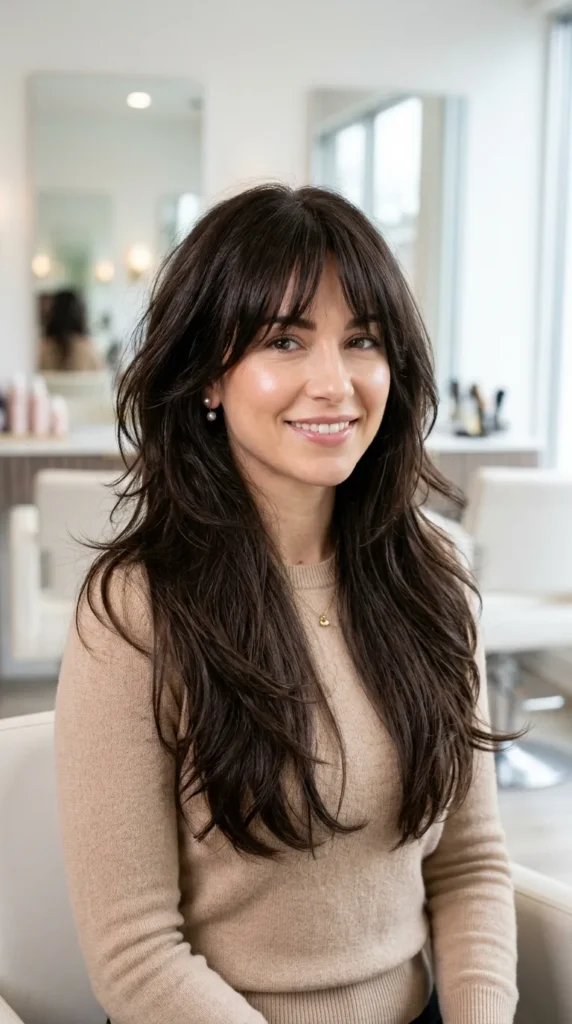
A longer version of the shag haircut combined with wispy, textured bangs. This approach delivers dramatic movement throughout the length while the bangs soften the face and complete the overall silhouette.
The long shag with bangs has become a signature layered style precisely because it delivers both bold texture and softness simultaneously, appealing to a wide range of personal styles.
This style photographs particularly well in natural light, since the combination of length and texture creates visible depth and movement in still images.
19. Layered Cut with Volume at the Crown
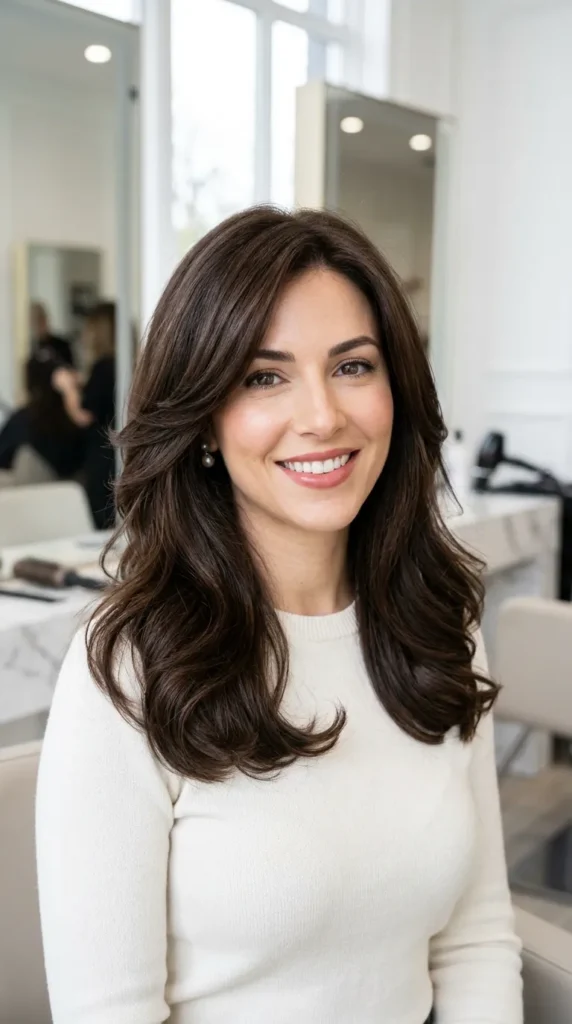
Layers strategically placed at the crown to create lift and height, especially useful for hair that tends to lie flat at the roots. This targeted approach adds volume exactly where it is needed most.
Crown volume layering pairs well with a light root lifting spray applied before blow drying, helping the strategically placed layers stand up and create genuine height rather than falling flat again.
This targeted layering approach is often combined with a slightly shorter overall length at the crown specifically, maximizing the lifting effect throughout the day.
20. Textured Layered Ends
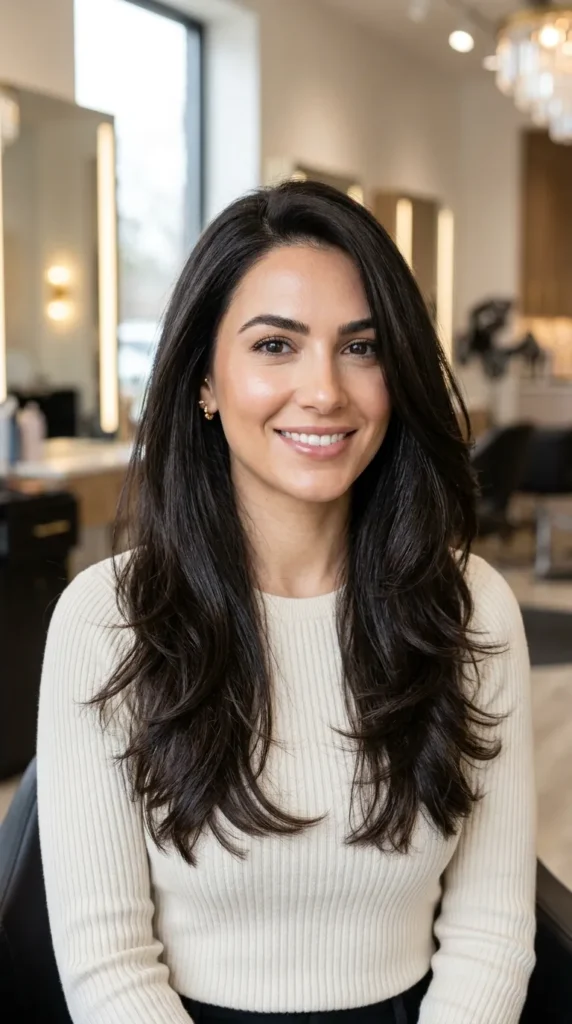
Layers finished with a textured, slightly jagged cut at the very ends rather than a smooth blunt line. This creates visual interest and prevents the hair from looking too clean or overly finished.
Textured ends are typically created using point cutting techniques, where the stylist cuts into the hair at an angle rather than straight across, producing a naturally broken up finish.
This finishing technique works especially well on hair with at least some natural texture, since it enhances rather than fights the hair’s existing tendencies.
21. Layered Cut for Round Faces
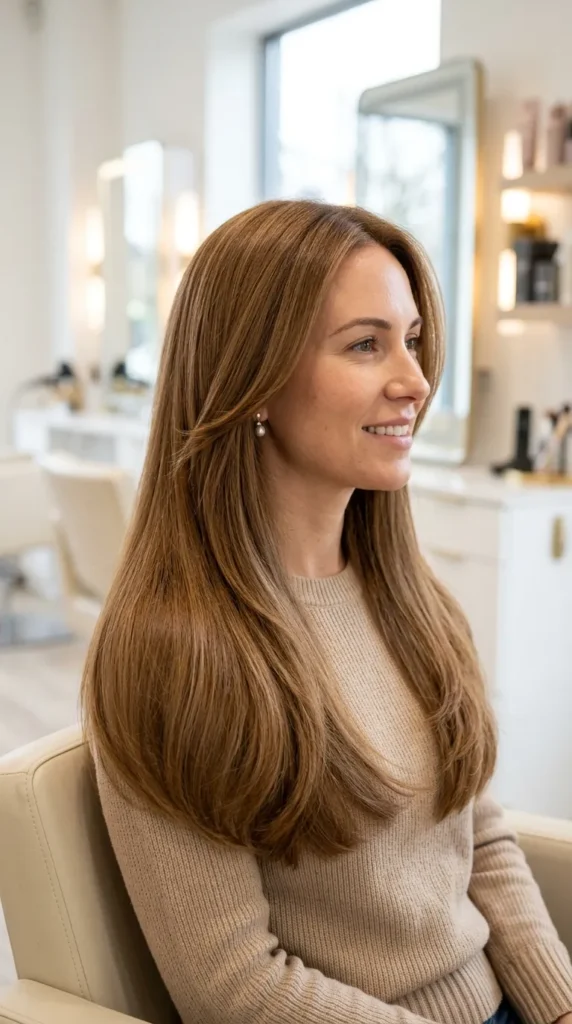
Layering technique adjusted specifically to elongate round faces, concentrating movement below the cheekbones rather than adding width at the widest part of the face.
Avoiding heavy layers directly at cheek level helps prevent additional width on round faces, while longer layers that fall past the jaw create a more elongating, flattering vertical line.
A side part paired with this layering strategy further enhances the elongating effect, adding asymmetry that complements the goal of visually lengthening a round face.
22. Layered Cut for Square Faces
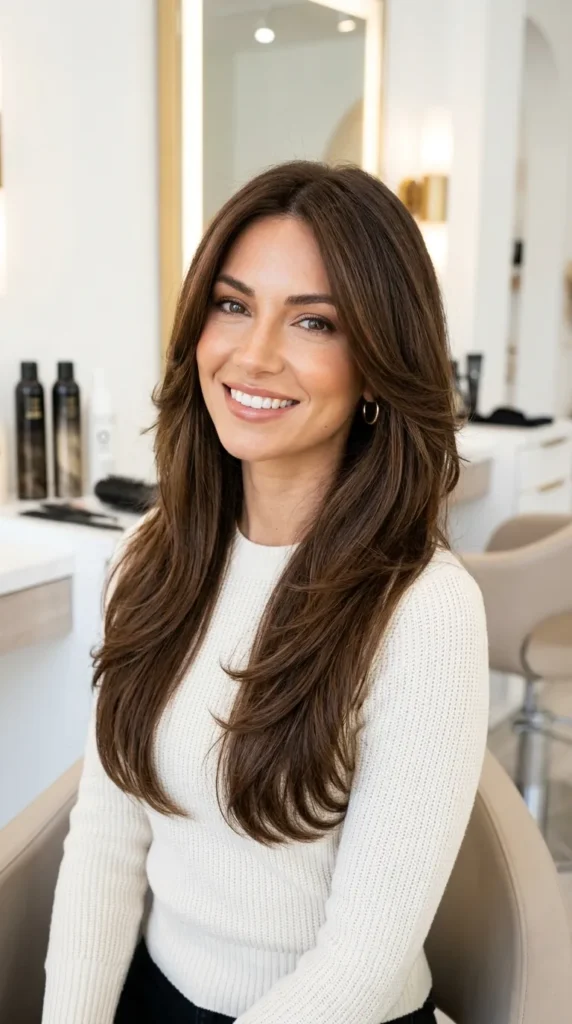
Layering technique adjusted specifically to soften square jawlines, introducing gentle curves and movement near the jaw to balance out strong angular features.
Soft, feathered layers around the jaw and chin help break up the strong angles of a square face, creating a gentler, more rounded overall impression without changing the haircut’s core shape.
This approach pairs particularly well with soft waves, since the added movement further softens the strong lines of a square jaw.
23. Layered Cut for Oval Faces
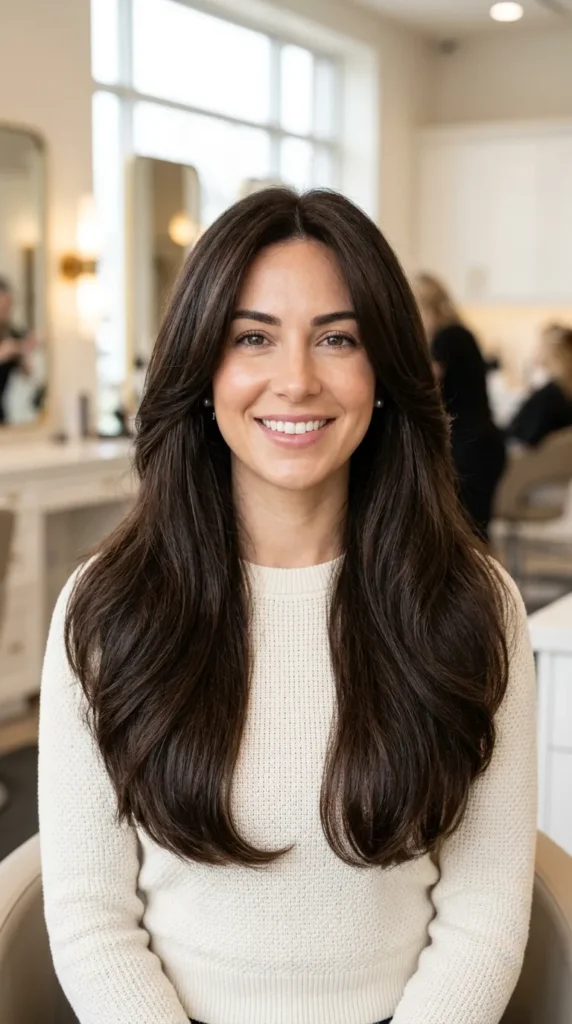
Layering technique that works with the natural balance of an oval face, since nearly any layering style flatters this shape. The focus here shifts toward personal preference rather than corrective shaping.
Oval faces have the most flexibility when it comes to layered haircuts, meaning the decision often comes down purely to lifestyle, hair texture, and personal aesthetic preference rather than face shape concerns.
Many stylists consider oval face clients the easiest to layer for, since there are very few layering styles that would genuinely look unflattering on this balanced shape.
24. Layered Cut for Heart Shaped Faces
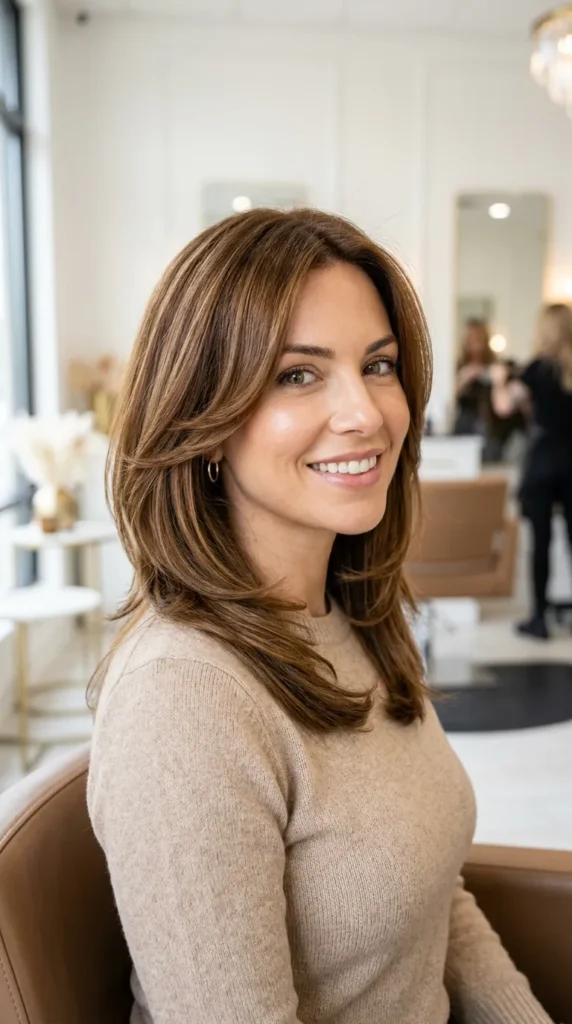
Layering technique adjusted specifically to balance a heart shaped face, adding width and softness near the jawline to offset a broader forehead and narrower chin.
Layers that flare gently outward at chin length help visually widen the lower portion of a heart shaped face, creating a more proportionate balance between the forehead and jaw.
This approach often pairs well with face framing highlights as well, further drawing attention toward the jawline and away from the narrower chin.
25. Layered Cut with Highlights
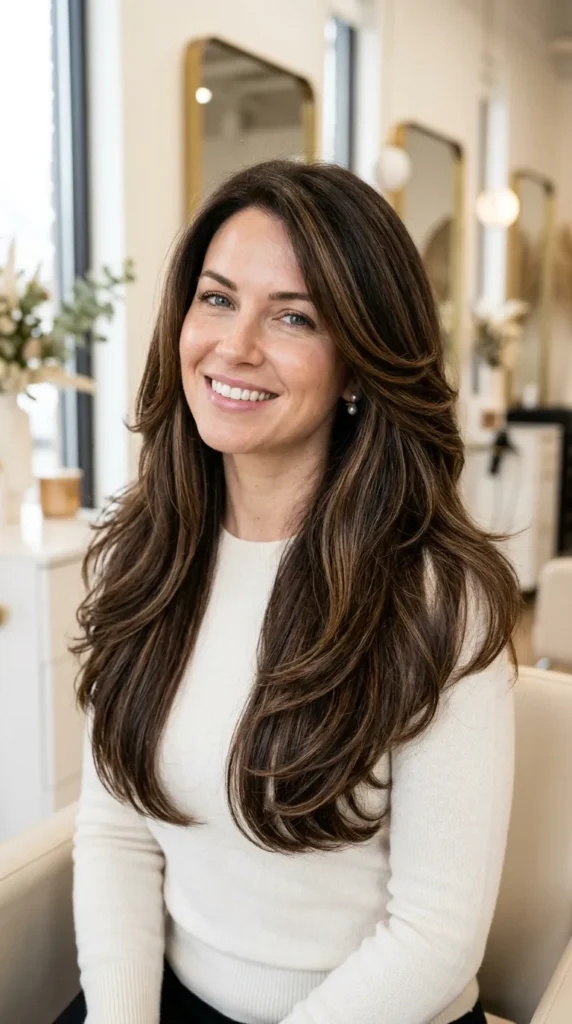
Layered haircut paired with strategic highlights that emphasize the movement created by the cut itself. Color placed within the layers catches light differently as hair moves, amplifying the overall dimensional effect.
Highlights placed specifically along the outer edges of each layer create the most noticeable dimensional effect, since these are the sections that catch the most light as hair moves throughout the day.
This combination works particularly well for clients wanting a noticeable but not drastic change, since the highlights amplify an already flattering haircut rather than requiring an entirely new color.
26. Layered Cut with Balayage
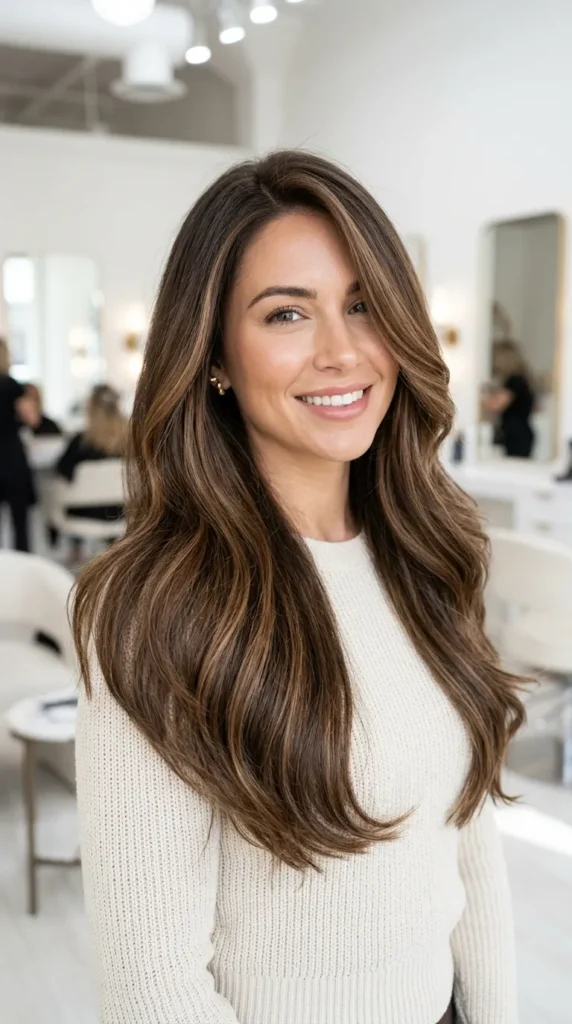
Layered haircut combined with hand painted balayage color, allowing the graduated tones to enhance the natural movement of the layers. This pairing creates a genuinely dimensional, sun kissed final result.
Balayage and layering complement each other especially well because both techniques rely on natural movement and gradual transition rather than harsh, obvious lines, creating a cohesive and expensive looking result.
This pairing has become especially popular for clients wanting a low maintenance color option, since balayage grows out far more gracefully than traditional foiled highlights.
27. Layered Cut for Special Occasions
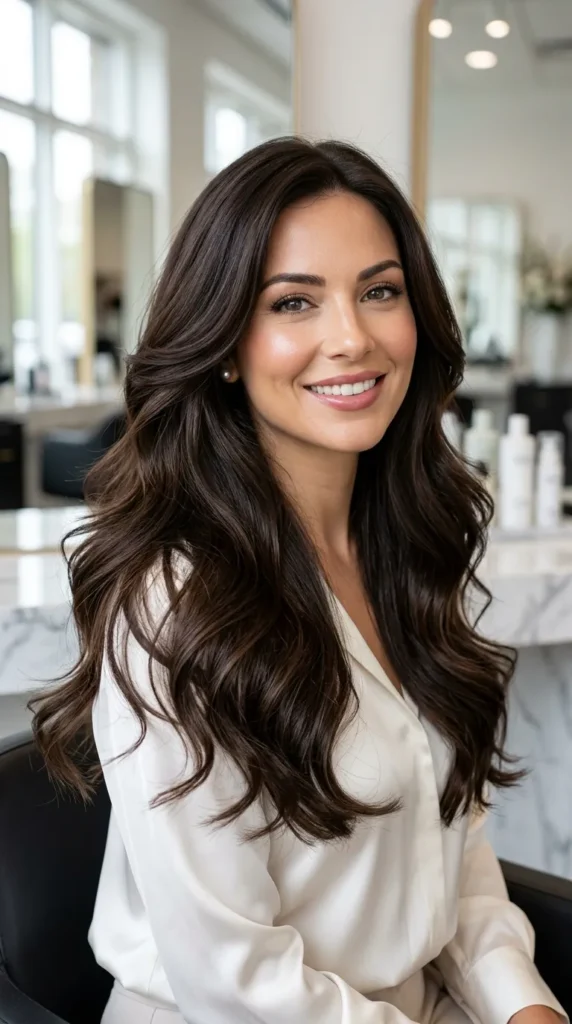
A layered base styled specifically for a formal event, using curling irons or hot rollers to enhance the natural movement already built into the haircut. Layers make special occasion styling significantly easier to achieve.
Because the movement is already built into the haircut itself, occasion styling on layered hair typically requires less time and product than achieving the same look on completely blunt, unlayered hair.
Many clients choose to get a fresh trim shortly before a major event specifically to ensure their layered styling looks as crisp and defined as possible.
28. Everyday Low Maintenance Layered Cut
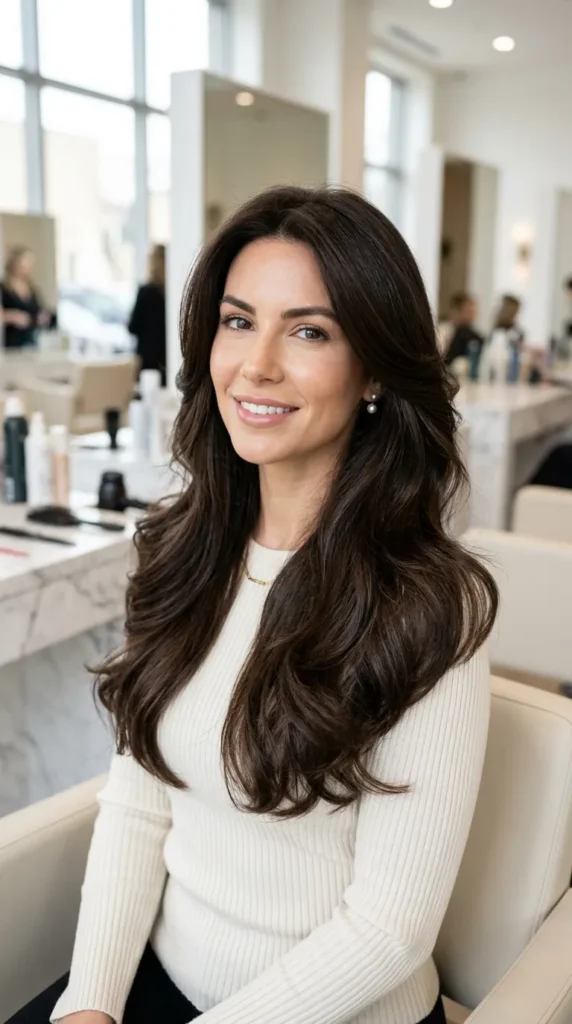
A layering approach designed specifically for minimal daily styling, where the cut itself does most of the work. Air drying alone creates a finished, intentional looking result without much additional effort.
This approach relies heavily on precise cutting rather than styling, meaning the initial haircut appointment matters enormously, since the shape needs to hold up well even without daily heat styling.
This approach tends to suit busy lifestyles particularly well, since it minimizes the daily time investment required to achieve a finished, polished appearance.
29. Layered Cut with Side Part
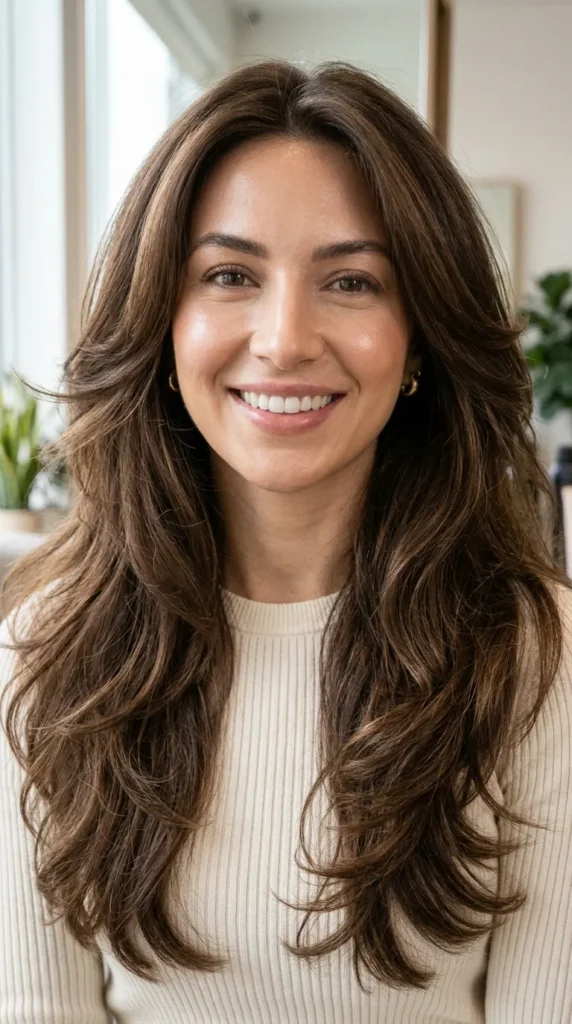
Layering paired with a deep side part, creating asymmetry that adds instant volume and movement near the crown. This combination flatters nearly every face shape while looking effortlessly polished.
A deep side part combined with layering creates natural asymmetrical volume without any additional styling effort, since the parting itself does much of the volumizing work automatically.
This combination is especially popular among clients wanting a slightly more dramatic, editorial looking finished result without changing the underlying haircut itself.
30. Layered Cut with Center Part
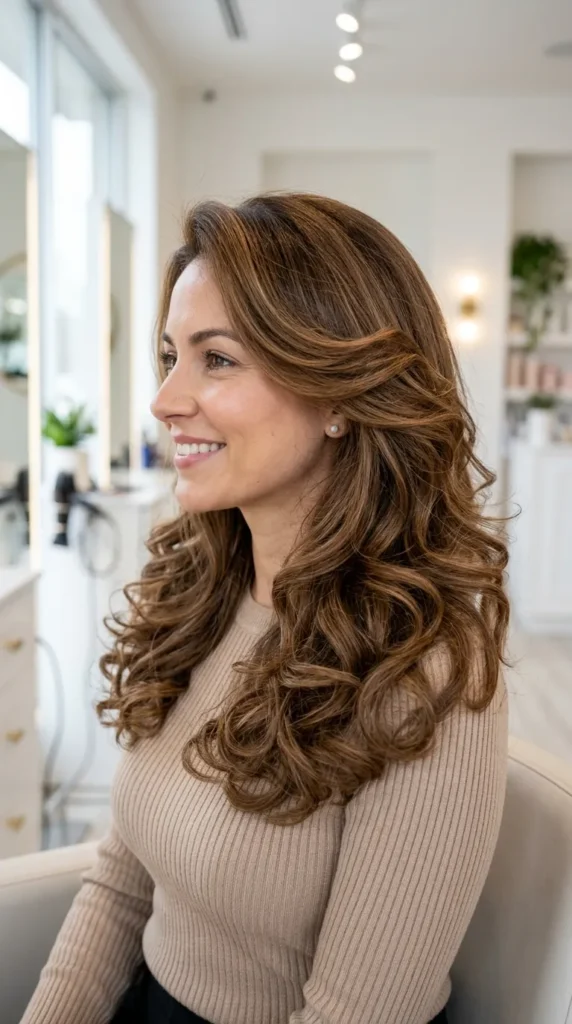
Layering paired with a center part, creating a more symmetrical, balanced silhouette. This approach works especially well with softer, more blended layering techniques rather than choppy or heavily textured cuts.
Center parts paired with layering tend to suit oval and heart shaped faces particularly well, since the symmetry complements features that are already naturally balanced.
This pairing creates a slightly more classic, timeless overall impression compared to the more casual asymmetry created by a side part.
31. Layered Cut for Transitioning Hair Growth
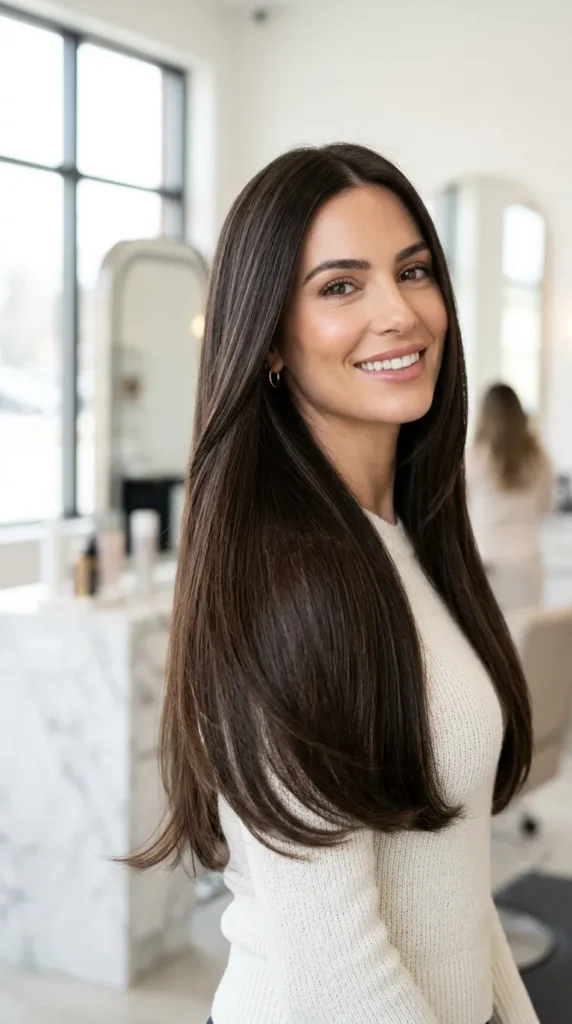
A layering strategy specifically designed to help hair grow out gracefully from a shorter cut, maintaining shape and movement throughout the awkward in between stages of length.
Regular light trims during the growing out phase keep layers looking intentional rather than shapeless, helping bridge the gap between a shorter cut and your eventual desired length.
Patience during this transitional period genuinely pays off, since maintaining shape through regular trims prevents the frustrating shapeless stage many people experience while growing out hair.
32. Layered Cut Inspired by Celebrities
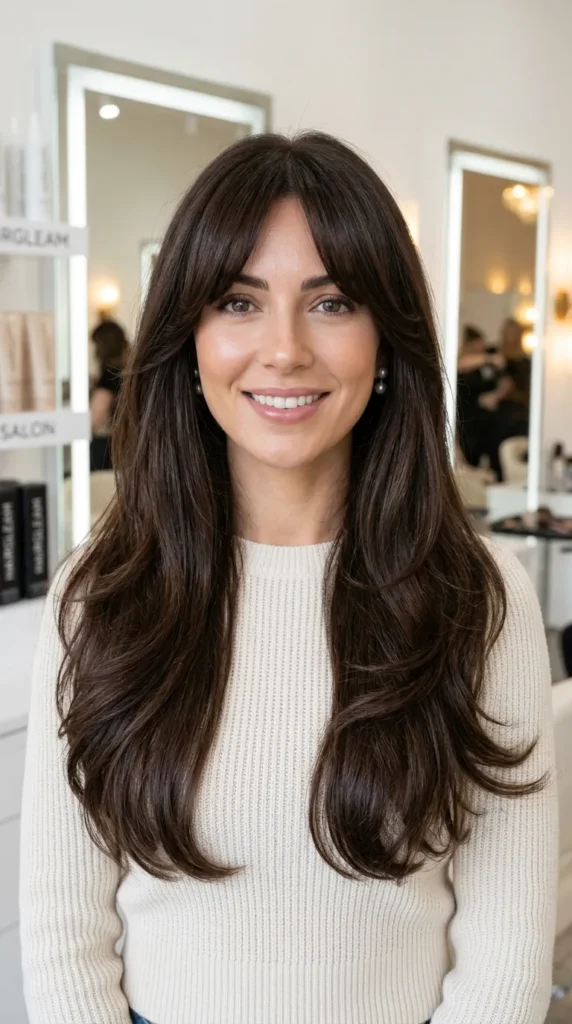
Layered haircut styles adapted from celebrity references, using their general shape and movement as a starting point while adjusting the specifics for your own face shape and hair texture.
Bringing reference photos to your appointment helps communicate the general vibe you want, though a good stylist will always adjust the exact layering technique to suit your individual hair rather than copying exactly.
This approach works best when paired with an honest conversation about hair texture differences, since the same layering technique can look completely different depending on natural density and texture.
33. Layered Cut Maintenance and Care
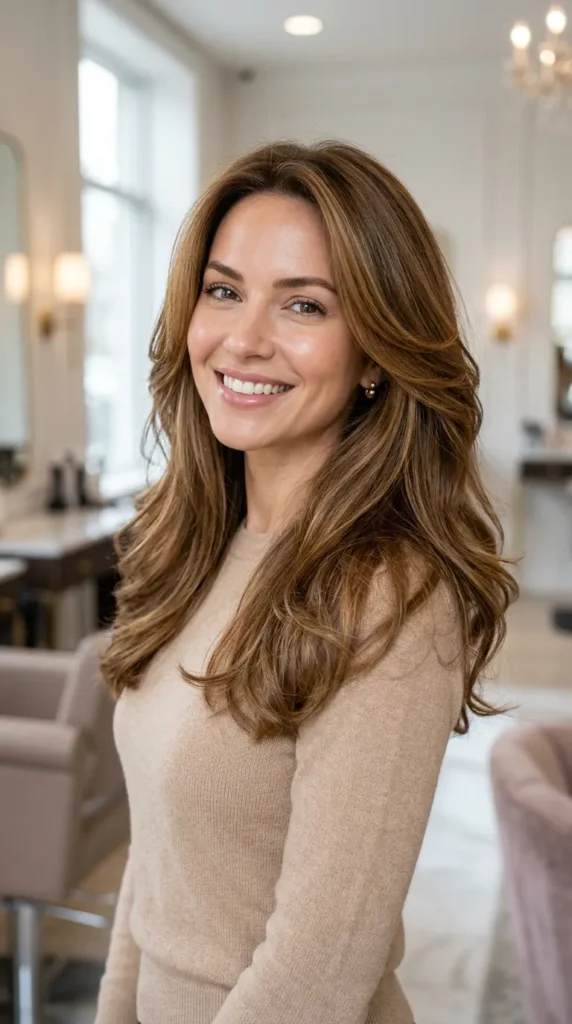
Understanding the trim schedule and styling products needed to maintain a layered haircut properly. Regular trims every eight to ten weeks keep the layers looking intentional rather than growing out into an undefined shape.
Lightweight styling products work best for most layered cuts, since heavier creams or oils can weigh down the very movement the layering was designed to create in the first place.
A quality heat protectant is also worth using regularly on layered cuts, since the varying lengths are often styled with hot tools more frequently than a single blunt length.
34. Layered Cut for Confidence and Movement
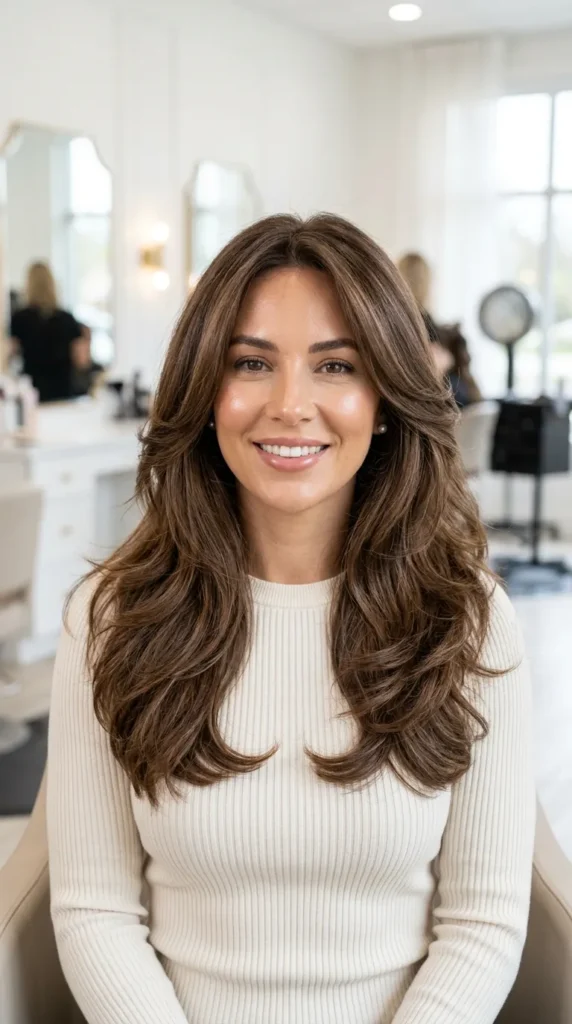
A well executed layered haircut creates a genuine sense of lightness and confidence. The movement built into the cut itself makes hair feel alive rather than static, which often translates into how a person carries themselves.
Many people report feeling noticeably more confident after switching to a layered cut, largely because the visible movement and bounce make hair feel healthier and more responsive throughout the day.
This sense of confidence often extends beyond appearance alone, since feeling good about a haircut tends to influence overall mood and daily outlook as well.
35. Finding Your Layered Haircut Stylist
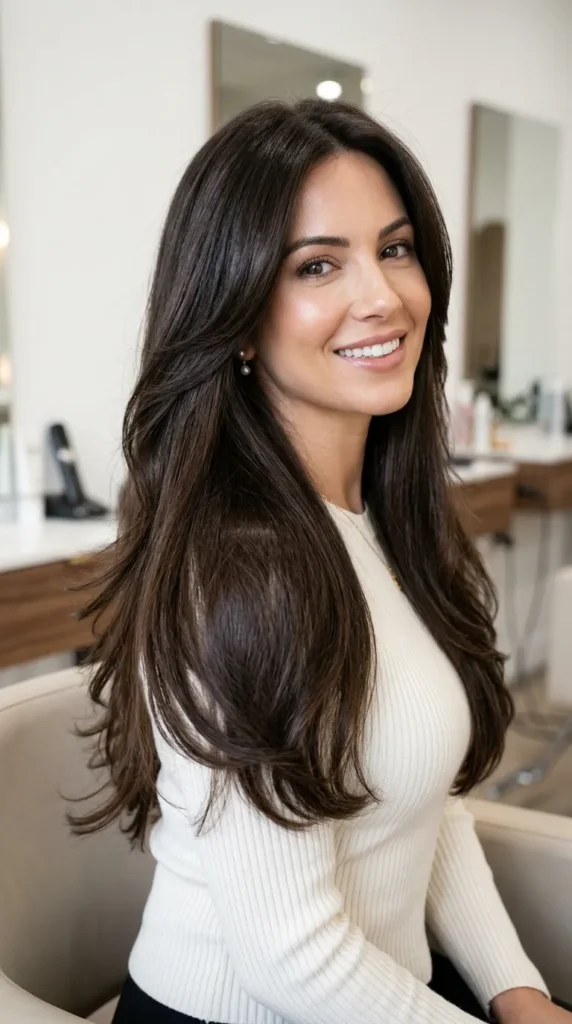
The importance of finding a stylist who genuinely understands layering technique, since poorly placed layers can ruin an otherwise great haircut. A skilled stylist considers your face shape, hair density, and texture before making a single cut.
Look for a stylist with a strong portfolio specifically showing layered work, since the technique requires genuine skill and experience to execute well across different hair types and lengths.
Do not hesitate to ask a potential stylist directly about their specific experience and training with layering techniques before booking a significant haircut appointment.
Making Layered Haircuts Work For You
Layered haircuts are a genuinely versatile, foundational technique that can be adapted for almost any hair type, length, and face shape. The approach ranges from soft, barely noticeable movement to bold, dramatic texture depending entirely on your preference. The maintenance required varies based on how detailed the layering is, though regular trims keep any layered shape looking fresh and intentional. The movement and lightness this technique brings to hair is genuine and instantly noticeable in both photos and everyday life.
A well done layered haircut is a quiet but powerful transformation. It tells people you understand the difference between simply having length and actually having a shape that moves and flatters. That is what layered haircuts communicate.
Choosing the right layering approach also means being honest with yourself about how much time you genuinely want to spend styling each morning. Some layered cuts practically style themselves once they dry, while others rely more heavily on products and hot tools to look their best. Thinking through your actual daily routine before your appointment helps ensure the finished haircut fits comfortably into your life rather than becoming another chore.
It also helps to bring a few reference photos to your appointment, even if you do not want an exact copy of someone else’s haircut. Photos give your stylist a visual starting point, making it easier to discuss the specific amount of movement, length, and texture you are hoping to achieve. A short conversation before the first cut can prevent misunderstandings and help you walk away genuinely happy with the result.
Choose a skilled stylist. Communicate clearly about the amount of movement and texture you want. Be prepared for a consistent trim schedule to maintain the shape. Then enjoy the undeniable lightness and body that a genuinely well executed layered haircut provides.
Layered haircuts are not a single fixed style. But for people wanting movement, body, and a flattering shape suited to their own features, this technique delivers every single time.